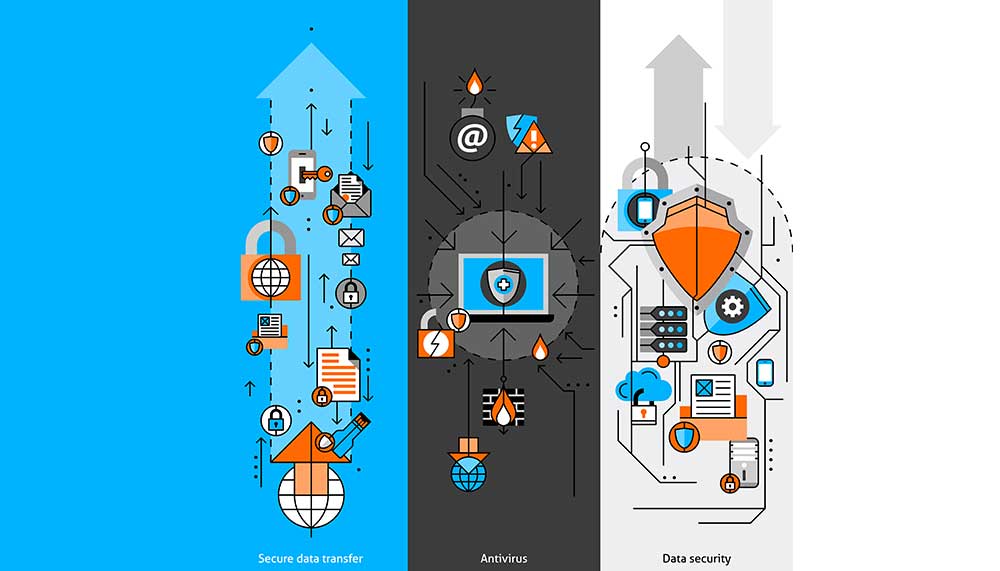
Let’s face it—your website isn’t just a digital business card anymore. It’s the heart of your business. Whether you run an online store, a blog, or a service-based website, your site handles some of your most valuable assets: customer information, payment details, and sensitive business data. And unfortunately, all of that makes it a prime target for cybercriminals.
Here’s the thing: cybersecurity isn’t optional—it’s a must. One single breach can damage your reputation, shake your customers’ trust, and cost you big—both financially and professionally.
The good news? You don’t have to be a tech wizard to protect your website. With the right security measures in place, you can dramatically lower your risk and keep your digital presence safe. Think of it as locking the doors to your online business before any trouble even arrives.
Why Cybersecurity Matters for Website Owners
You might be thinking, “Do I really need to worry about cybersecurity?” The answer is a big yes—especially if your website is the lifeline of your business. Hackers aren’t picky; they target sites of all sizes, and even small vulnerabilities can have big consequences.
Here’s why website security should be at the top of your priority list:
-
Protect Sensitive Data: Your site likely stores customer information, payment details, and maybe even proprietary business info. A breach could expose all of it.
-
Maintain Your Reputation: Trust is everything online. One security incident can make customers lose faith in your brand, and rebuilding that trust is tough.
-
Avoid Financial Loss: Cyber attacks can lead to downtime, costly fixes, and even legal penalties, depending on the data compromised.
-
Keep Your SEO Healthy: Search engines don’t like unsafe websites. If your site gets flagged for malware, your rankings and traffic can take a hit.
In short, cybersecurity isn’t just a tech issue—it’s a business issue. Protecting your website safeguards your customers, your reputation, and your bottom line.
Key Cybersecurity Essentials for Your Website
Protecting your website doesn’t have to feel overwhelming. Think of cybersecurity as a set of smart habits and tools that make it harder for hackers to get in and easier for you to keep everything running smoothly. Here are the essentials every website owner should know:
1. Keep Software and Plugins Updated
Outdated software is like leaving the front door unlocked. Whether it’s your CMS, themes, or plugins, make sure everything is up to date. Regular updates patch vulnerabilities and prevent hackers from exploiting old weaknesses.
2. Use Strong Passwords and Multi-Factor Authentication (MFA)
Weak passwords are a hacker’s best friend. Use long, unique passwords for every account and add multi-factor authentication wherever possible. It’s an extra step for you, but a huge barrier for anyone trying to break in.
3. Install an SSL Certificate
An SSL certificate encrypts data between your website and your visitors. Not only does this keep sensitive information safe, but it also signals trust to users—and Google gives a boost to HTTPS sites in search rankings.
4. Regular Backups
Even the best security can’t prevent every problem. Regularly backing up your website ensures that if something goes wrong, you can restore your site quickly and minimize disruption. Keep backups in a separate, secure location—ideally offsite.
5. Use a Web Application Firewall (WAF)
A WAF acts like a security guard for your website. It filters out malicious traffic, blocks suspicious activity, and stops attacks like SQL injections or cross-site scripting before they reach your site.
6. Scan for Malware and Vulnerabilities
Regularly check your website for malware and weak spots. Many hosting providers and security plugins offer automated scanning and alerts, so you’ll know immediately if something looks off.
7. Limit User Access
Not everyone on your team needs full admin privileges. Restrict access to essential users and regularly review permissions. This reduces the risk of accidental or intentional damage to your site.
8. Educate Yourself and Your Team
Cybersecurity isn’t just about technology—it’s about awareness. Learn the basics of phishing, social engineering, and safe website management. A little knowledge goes a long way in preventing breaches.
Additional Tips for Enhanced Security
Even after covering the essentials, a few extra steps can give your website an added layer of protection:
-
Choose a Secure Hosting Provider: Your website’s security starts with reliable hosting. Look for providers with strong security measures, regular updates, and real-time monitoring.
-
Use Security Plugins or Tools: Many platforms, like WordPress, offer plugins that actively monitor, block, and report suspicious activity. They act like a digital security team for your site.
-
Limit Login Attempts: Protect against brute-force attacks by restricting how many times someone can try to log in.
-
Monitor Analytics for Unusual Activity: Sudden traffic spikes or strange patterns can be signs of hacking attempts. Keeping an eye on analytics helps you act fast if something seems off.
These additional measures, combined with the core essentials, create a strong, multi-layered defense for your website.
Conclusion
Running a website comes with incredible opportunities—but it also comes with responsibilities. Cybersecurity isn’t just a technical concern; it’s a key part of protecting your business, your customers, and your reputation.
By keeping software updated, using strong passwords, installing SSL, backing up your site, and staying vigilant, you can dramatically reduce the risk of cyber attacks. Remember, a secure website builds trust, keeps visitors safe, and ensures your business can thrive online without unexpected setbacks.
Think of cybersecurity as locking the doors to your digital storefront before trouble even arrives. With the right measures in place, your website can be a safe, reliable, and trusted space for both you and your customers.



Related items
In today’s hyper-connected digital world, cybersecurity is no longer optional—it’s a non-n
