
If you’ve ever tried lead generation the honest way, you know it’s a lot like going to the gym. You do everything right, follow the rules, eat your vegetables, and still… nothing. Meanwhile, your competitor posts one mildly attractive offer and suddenly they’re swimming in leads like it’s monsoon season.
But what if – and hear this out – what if there existed a set of lead generation tactics so powerful, so dangerously effective, that they almost feel illegal? No, we’re not talking about shady hacks or black-hat tricks. We mean strategies so sharp and persuasive that you almost feel guilty using them.
This is your secret handbook. The one that good marketers pretend they don’t use, and every successful SEO expert in India keeps quietly tucked away behind their analytics dashboard.
The Hidden Psychology Behind “Illegal-Level” Lead Generation
The best lead generation doesn’t look like marketing. It looks like serendipity – the moment when a customer feels like your brand appeared exactly when they needed it.
That’s not luck.
That’s design.
And here’s how you replicate it.
1. The Ethical Honey Trap: Make Offers Too Good to Walk Away From
The fastest way to generate leads is to make people think they’re getting away with something. Offers that feel “too good” activate the part of the brain that loves winning.
Offer things like:
- Free audits so detailed they look like paid consultations
- Checklists so useful your competitors quietly download them
- Templates so plug-and-play they reduce work hours instantly
- Mini-courses that feel like they should cost ₹20,000
Brands run by a smart web design agency or an experienced web development company in Delhi already know this: information is the new currency. And the more value you give, the more leads you pull in like a magnet.
This isn’t generosity. It’s strategy.
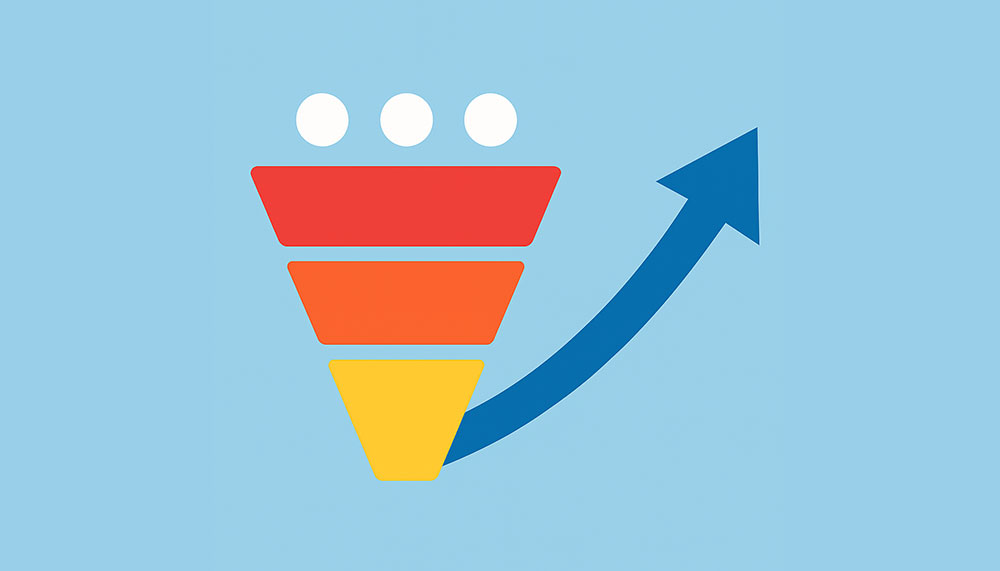
2. The “Invisible Sales Funnel” Trick
Most businesses build funnels the size of a wedding mandap — loud, obvious, and over-decorated. But the most effective funnels? You can barely see them.
This is how the pros do it:
- A helpful blog that subtly solves your reader’s problem
- A CTA that doesn’t scream but gently says, “Want this done for you?”
- A landing page so personalized it feels hand-written
- A short form (because long forms are lead-killers)
This method is how every advanced website development company and SEO expert in India turns cold readers into boiling-hot buyers.
When your funnel feels invisible, the conversion becomes inevitable.
3. Stalking (The Good Kind): Behavioral Targeting
Relax, this is perfectly legal. And extremely effective.
You can’t generate great leads without understanding how people behave:
- Where they scroll
- What they click
- Which words they react to
- What they abandon
If your website doesn’t track user behavior, you’re marketing with a blindfold. Any web development company in India worth hiring knows this — analytics is not optional.
Once you know what visitors want, you can tailor your offer like it was designed for them personally. Because, in a way, it was.
4. The Forbidden Fruit Strategy: Create Curiosity That Demands a Click
No, not clickbait.
Something far more potent: curiosity architecture.
A few examples:
- “The 37-point checklist we never share publicly… except today”
- “Why 92% of your leads disappear after the first click”
- “The mistake costing you 40% conversions — fix this now”
This is the exact psychological framework top lead generation services use to bait users into taking action — and it works because humans cannot ignore curiosity gaps.
5. Use “Ethical Bribery” to Force Engagement
Bribery? Illegal.
Ethical bribery? Completely fair game.
Offer your audience something so instantly useful that clicking feels like a reward:
- A downloadable strategy sheet
- A time-saving automation tool
- A free homepage SEO score
- A highly optimized landing page template
Think about it: every web design company in Delhi uses this tactic without calling it by its real name. It works because people love receiving value before committing.
6. The Social Proof Avalanche
Customers trust people more than brands.
They trust numbers more than promises.
And they trust stories more than ads.
So create a wall of social proof so overwhelming it feels almost unfair:
- Video testimonials
- Client screenshots
- Before/after results
- Case studies that feel like movie scripts
- Industry recognitions
If you’ve worked with a recognizable brand, mention it. If you’ve achieved measurable results, highlight them. When you make yourself look impossible to doubt, your leads multiply instantly.
7. The “I Know You Better Than You Know Yourself” Landing Page
The highest converting landing pages make the visitor feel exposed.
Like you read their diary.
Like you stalked their browsing history.
This is how the greats do it:
- Describe the reader’s problem better than they can
- Show them you understand precisely what they’re struggling with
- Offer the exact solution they were Googling at 2 a.m.
This is a level of personalization every seasoned SEO expert India practices religiously.
8. The “Delayed Yes” Follow-Up Trick
Most businesses follow up once… maybe twice… then give up.
But the secret?
Real conversions happen after the 5th–8th follow-up.
Call it persistence.
Call it being annoying.
Call it whatever you want.
The truth is simple:
The more you follow up without being pushy, the more leads you convert.
This is why every successful SEO company in India uses automated email flows, retargeting ads, and drip sequences that keep leads warm — without being creepy.
The Dark Magic of Story-Based Lead Generation
Stories bypass logic and go straight to emotion — and emotional leads convert faster.
Your brand story should:
- Create connection
- Build trust
- Trigger desire
- Reveal transformation
Every major website development company leverages storytelling to boost conversions because narrative is the closest thing marketing has to mind control… legally speaking.
Final Thoughts: Lead Gen That Feels Illegal Usually Just Means It Works
Here’s the uncomfortable truth:
The best lead generation doesn’t rely on shiny software, big budgets, or complex automation systems.
It relies on human psychology, irresistible offers, perfect timing, and strategic follow-ups.
If done right, it almost feels unfair — like you’re hacking into the customer’s brain and flipping a switch marked “YES.”
But guess what?
It’s not illegal.
It’s just smart.
And now you know the playbook.



Related items
Generating high-quality leads is one of the biggest challenges businesses face today. You
