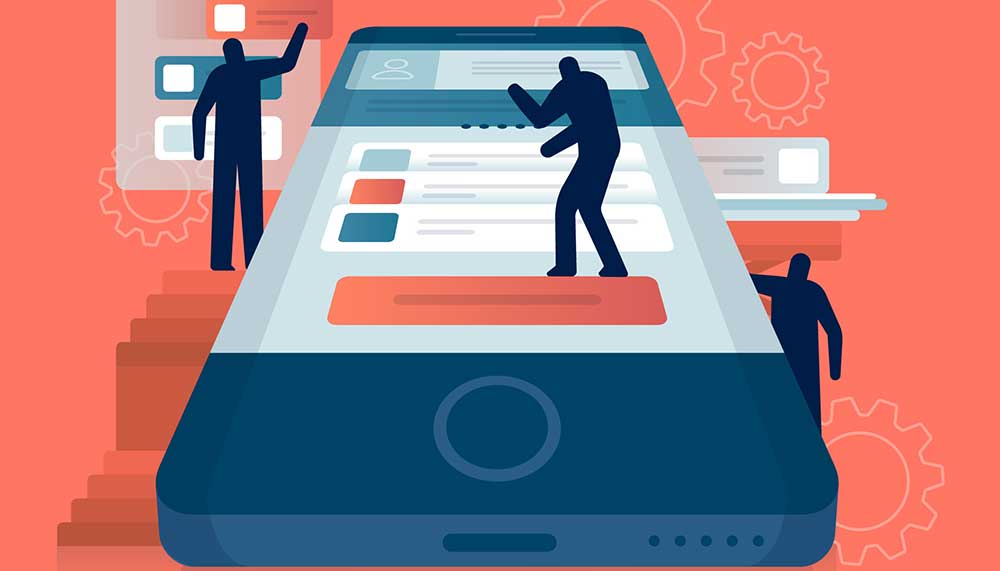
In the ever-evolving world of web design, trends often change at lightning speed. One day, a particular layout or animation style dominates; the next, it’s already considered outdated. Amidst this constant flux, however, one approach has stood the test of time and continues to influence how websites are built: mobile-first design. This philosophy emerged in response to the dramatic rise in mobile device usage, recognizing that more people were accessing the internet through smartphones and tablets than traditional desktops. Mobile-first design flips the conventional approach on its head, focusing on the smallest screens first to ensure that every website is not only visually appealing but also responsive, fast, and easy to navigate. As we step into 2025, a new question comes into focus: in a digital landscape shaped by multi-device usage, AI interactions, and evolving user behaviors, is mobile-first design still the gold standard, or has it started to fade into the background as just another trend of the past?
Understanding Mobile-First Design
When we talk about mobile-first web design, it’s important to clear up a common misconception: it’s not just about taking a desktop website and shrinking it to fit a smaller screen. Far from it. Mobile-first design is a mindset—a way of thinking about the user experience from the very beginning. Instead of designing for a large desktop monitor and then trying to make it work on a phone, you start with the smallest screen in mind. From there, you progressively enhance the layout and functionality as the screen size increases.
Think of it like building a house. You start with a strong, efficient foundation—your mobile version—then add extra rooms, windows, and features as you expand to larger devices. This method ensures that the most important content is always front and center, navigation feels natural, and the website performs smoothly, no matter what device someone is using.
The reasoning behind mobile-first design is straightforward and backed by data. Google has been emphasizing mobile-friendliness as a key ranking factor for years. Websites that are slow to load or clunky on mobile don’t just frustrate users—they can also negatively impact search engine rankings. And even as we move further into 2025, with lightning-fast networks and smarter AI-driven experiences, the expectation remains the same: users want instant, seamless access to the content they need, right at their fingertips.
In short, mobile-first design isn’t just a trend—it’s about putting your users first, ensuring they have a smooth, enjoyable experience no matter where or how they access your site. For businesses, especially those working with a website designing company in Delhi or a web development company in Delhi, embracing this approach can make the difference between a website that simply exists and one that truly engages and converts visitors.
Is Mobile-First Still Dominant in 2025?
The short answer is: yes—but with a modern twist. Mobile-first design hasn’t lost its relevance, but the way people use the web has definitely evolved, and websites need to evolve with them. Let’s break down how user behavior is shaping the future of mobile-first design.
Rising Multiscreen Usage
Today’s users are more connected than ever, and they rarely stick to just one device. It’s common for someone to start browsing a website on their smartphone during a commute and then switch to a desktop later to complete more complex tasks. This shift means that modern web design companies in Delhi are moving beyond mobile-only thinking. Instead, they focus on creating a seamless, cohesive experience across all devices, ensuring that whether a visitor is on a phone, tablet, or laptop, the website feels intuitive and consistent.
Voice and AI Interfaces
Voice search and AI-driven interactions are no longer futuristic ideas—they’re becoming a part of everyday browsing. Users increasingly rely on conversational queries, digital assistants, and interactive AI tools to navigate websites. For businesses, this means rethinking traditional mobile-first layouts. Incorporating voice-friendly navigation, chatbots, and AI-powered features is becoming essential to meet modern user expectations. A forward-thinking website development company in Delhi can help integrate these elements effectively.
Performance Expectations
Even with the rollout of faster 5G networks, users are less patient than ever. Slow-loading websites can drive visitors away almost instantly. The beauty of mobile-first design is that it naturally prioritizes speed and efficiency. By focusing on lean layouts, optimized images, and streamlined code, businesses can ensure their websites remain fast and responsive—a critical factor for keeping visitors engaged and reducing bounce rates.
Progressive Web Apps (PWAs)
The line between websites and apps is becoming increasingly blurred. Progressive Web Apps (PWAs) combine the best of both worlds: they are inherently mobile-focused but provide desktop-like functionality and offline capabilities. PWAs highlight the ongoing importance of mobile-first principles, showing that even as technology evolves, prioritizing mobile users first remains a smart and strategic approach.
In essence, mobile-first design is far from outdated. It’s evolving alongside user habits, device usage, and emerging technologies. Businesses that work with an experienced web development company Delhi or choose to outsource website design to India can leverage these principles to deliver websites that are fast, user-friendly, and future-ready.
How Businesses Can Adapt
For businesses looking to stay competitive in 2025, embracing mobile-first design isn’t optional—it’s essential. But knowing the theory isn’t enough; implementation matters. Partnering with the right website designing company in Delhi or web development company in Delhi can make a significant difference. Here’s how companies can adapt their approach to meet evolving user expectations:
1. Responsive and Adaptive Design
It’s no longer enough for a website to just “fit” on a phone screen. Websites need to feel natural and intuitive, whether someone is using a smartphone, tablet, or desktop. This is where responsive and adaptive design comes in. A skilled web design company in Delhi can create layouts that adjust seamlessly to any screen size, ensuring that navigation remains easy and the user experience stays consistent—without compromising aesthetics or functionality.
2. Prioritize Core Features
Mobile-first design is about putting the essentials front and center. Focus on the features and content that mobile users need most, such as quick navigation, key product information, or simple checkout processes. Once the mobile experience is solid, enhancements for desktop users can be added naturally. This approach ensures that your website remains functional, engaging, and easy to use, no matter the device.
3. Optimize for Speed
Mobile-first doesn’t just mean thinking about smaller screens—it also means thinking about performance. Slow-loading websites frustrate users and hurt engagement. Optimizing images, streamlining code, and minimizing unnecessary scripts are crucial steps. A professional website development company in Delhi can ensure your website loads quickly, delivering a smooth experience that keeps visitors coming back.
4. Leverage Analytics
Understanding user behavior across devices is key to refining your mobile-first strategy. Track how visitors interact with your site, where they spend the most time, and which features they use most frequently. A web development company Delhi or a team you outsource website design to India can analyze this data and provide actionable insights, helping you continually improve your site for maximum impact.
5. Future-Proof Your Website
Technology is evolving fast, and your website should too. Integrating modern tools such as Progressive Web Apps (PWAs), AI chatbots, and voice search functionality can give your site a competitive edge. A professional web development company Delhi ensures your website isn’t just relevant today—it’s ready for the technologies and user behaviors of tomorrow.
By taking these steps and collaborating with the right experts, businesses can create websites that are fast, functional, and truly user-focused. Mobile-first design in 2025 is not just about keeping up with trends—it’s about building a digital experience that adapts, grows, and delivers value across every device.
Why Choose a Professional Partner
While mobile-first design continues to be a cornerstone of effective web development, executing it well is more complex than it might seem. It’s not just about resizing elements for smaller screens—it’s about understanding user behavior, optimizing performance, and designing an experience that feels natural on every device. This is where the value of working with professionals comes in.
Whether you choose to outsource website design to India or collaborate with a trusted local website design company in Delhi, experienced web developers bring a unique combination of creativity, technical expertise, and industry know-how. They don’t just make websites look good—they ensure that every page loads smoothly, navigation is intuitive, and the overall experience delights visitors, whether they’re on a mobile, tablet, or desktop.
Partnering with a reputable web design company Delhi or web development company in Delhi also offers long-term benefits. These experts stay up to date with the latest trends, technologies, and user expectations. That means your website won’t just meet today’s standards—it will be adaptable, scalable, and prepared for future shifts in user behavior and emerging technologies.
In short, investing in professional expertise ensures that your website is not only visually appealing but also highly functional, fast, and competitive. In a digital landscape where user attention spans are short and expectations are high, this can be the difference between a website that simply exists and one that truly performs and converts.
Conclusion
Even as we move further into 2025, mobile-first design is far from being a thing of the past. In fact, it remains a fundamental pillar of effective website design, continuously evolving to meet the demands of modern users. From seamless multi-device experiences to AI-driven interactions and lightning-fast performance expectations, mobile-first principles ensure that websites are not just visually appealing, but also intuitive, responsive, and user-friendly.
For businesses looking to stay competitive, embracing mobile-first design is more than just a trend—it’s a strategic necessity. Collaborating with a skilled website development company in Delhi or a trusted web design company Delhi can make all the difference. These experts bring the technical expertise, creativity, and insights needed to craft digital experiences that truly engage users, boost conversions, and drive sustainable growth.
Whether you’re planning to revamp an existing site or launch a brand-new digital presence, investing in mobile-first principles isn’t just smart—it’s essential. In a constantly evolving digital landscape, a mobile-first approach ensures that your website is ready for today’s users, tomorrow’s technologies, and everything in between, keeping your business ahead of the curve.



Related items
Somewhere in the multiverse, right between a collapsing timeline and a slightly delayed po


Your 404 page is suffering. It is confused. It is lost. It is questioning its purpose, its

Want a website that feels like it rolled off Stark Industries’ private build line — sleek,
