
Custom or Template Website? Find the Best Fit for Your Business!
Introduction
Your website is the digital face of your business. Whether you’re launching a startup, running an established business, or expanding your brand online, your website plays a critical role in attracting customers, building credibility, and driving sales. But when it comes to creating a website, business owners often face a key dilemma: Should you go for a custom website or use a template?
Both options have their advantages and drawbacks, and the best choice depends on your unique business needs. In this guide, we’ll break down the pros and cons of custom and template websites, helping you decide which one aligns better with your goals.
What is a Custom Website?
Imagine walking into a store designed just for you—every color, every detail, and every feature tailored to match your personal taste and needs. That’s exactly what a custom website offers for your business. Instead of using a generic template, a custom website is built from the ground up, reflecting your unique brand identity, business requirements, and customer expectations.
Unlike pre-made templates that can be restrictive, a custom website gives you complete control over design, functionality, and performance. It’s crafted by professionals who ensure that your site not only looks stunning but also functions seamlessly, helping you stand out in the crowded online world.
Key Features of a Custom Website:
- Unique Design & Branding: Your business is one of a kind—your website should be too. A custom design ensures your site reflects your brand’s personality and makes a lasting impression on visitors.
- Flexible Functionality & Scalability: Need an advanced booking system? Want to integrate a custom chatbot? A custom website allows you to add any feature, integration, or third-party tool you need as your business grows.
- Optimized Performance & SEO: With clean, efficient code, a custom website loads faster, ranks better on Google, and provides an outstanding user experience.
- Enhanced Security: Since a custom website is built from scratch, developers can implement robust security measures, reducing vulnerabilities and keeping your data safe.
Pros of a Custom Website:
- 100% Tailored to Your Brand: No two businesses are the same, and neither should their websites be. A custom website is designed specifically for your goals, target audience, and branding.
- Superior User Experience: With custom design and functionality, users enjoy seamless navigation, fast load times, and engaging interactions, keeping them on your site longer.
- Scalability for Growth: As your business expands, your website can grow with it—whether it’s adding new features, increasing traffic capacity, or integrating with other business tools.
- Better Security & Speed: Unlike template websites that rely on third-party plugins, custom websites have leaner, more secure code, making them faster and less prone to cyber threats.
Cons of a Custom Website:
- Higher Upfront Cost: Quality comes at a price—custom websites require a bigger initial investment due to the time and expertise involved in development.
- Longer Development Time: Unlike template sites that can be set up in days, a custom website takes weeks or even months to design, develop, and test.
- Ongoing Maintenance & Updates: Custom websites often require skilled developers for maintenance, updates, and troubleshooting, adding to long-term costs.
What is a Template Website?
Think of a template website like a ready-made house—you pick a design, move in your furniture (content), and customize small details to make it feel like home. These websites come with pre-built layouts, making it easy for businesses to launch their online presence without the need for extensive design or development work.
Template websites are built on platforms like WordPress, Shopify, Wix, or Squarespace, where users can select from thousands of pre-designed themes, swap out text and images, and be up and running in no time. They’re a great option for businesses that need a fast, cost-effective, and hassle-free way to establish their online presence.
Key Features of a Template Website:
- Pre-Built Design & Structure: Choose from thousands of professionally designed templates with layouts suited for different industries.
- Quick Setup: Get your website live in just a few days instead of waiting weeks or months for development.
- User-Friendly & No Coding Required: Drag-and-drop website builders make editing a breeze, so you don’t need any technical skills to create a functional site.
- Budget-Friendly: Template websites are a more affordable option, making them ideal for startups, freelancers, and small businesses.
Pros of a Template Website:
- Lower Cost & Faster Launch Time: You can have a professional-looking website without breaking the bank, and it can be set up within days.
- Ideal for Beginners: No coding knowledge? No problem! Platforms like Wix and Shopify make it easy to edit and manage your website.
- Plenty of Design Options: With thousands of templates available, you can find something that aligns with your brand and business needs.
Cons of a Template Website:
- Limited Customization Options: While templates allow for some changes, you’re restricted to the built-in design and functionality. Customizing beyond that may require a developer.
- Less Unique: Since many businesses use the same templates, your site may look similar to competitors using the same design.
- Performance Issues: Some templates come with bloated code, unnecessary plugins, and heavy designs that slow down your site.
- Security Risks: Pre-built templates rely on third-party plugins, which can be vulnerable to cyber threats if not regularly updated.
Custom vs. Template Websites: A Side-by-Side Comparison
| Feature | Custom Website | Template Website |
|---|---|---|
| Design & Branding | Fully unique & tailored | Limited customization, may look generic |
| Development Time | Takes longer (weeks to months) | Quick launch (days to weeks) |
| Cost | Higher upfront cost | Budget-friendly |
| Functionality | Fully customizable | Limited, depends on the template |
| Scalability | Easily scalable | Harder to scale |
| SEO & Performance | Highly optimized | May need additional work |
| Security | Stronger, built for security | More vulnerable to cyber threats |
Which One is Right for Your Business?
Choosing between a custom or template website depends on your business goals, budget, and technical requirements. Let’s break it down further:
A Custom Website is Perfect for You if:
- You need a unique, high-quality design that stands out from competitors.
- You require advanced features like AI chatbots, custom booking systems, or interactive tools.
- You’re planning for long-term business growth and need a scalable website.
- You want top-tier SEO and performance to improve your Google rankings and site speed.
A Template Website is a Great Choice if:
- You need a website up and running quickly without a long development process.
- You have a limited budget but still want a professional-looking online presence.
- You only need a basic website to showcase information without complex features.
- You prefer a do-it-yourself approach and don’t require deep customization.
Is There a Middle Ground?
Absolutely! Some businesses choose a hybrid approach by starting with a template and then customizing it extensively with the help of a developer. This way, you get the affordability and quick launch of a template but with a more personalized touch.
Another alternative is using a headless CMS—a modern solution that separates the front-end design from the back-end content management. This offers the flexibility of a custom website while still leveraging the efficiency of pre-built templates.
Final Thoughts
There’s no one-size-fits-all answer when it comes to choosing between custom and template websites. The right choice depends on your budget, business goals, and how much customization you need.
- If you need a unique, scalable, high-performance website, a custom website is worth the investment.
- If you need a quick and budget-friendly solution, a template website can get you online in no time.
Take the time to evaluate your business needs before making a decision. Need expert advice? Reach out to a web design professional who can guide you in the right direction!


The Power Duo: Combining Stunning Design with Seamless Usability
A stunning design might be what catches your eye, but it’s seamless usability that keeps you engaged. Think about it—how many times have you landed on a breathtaking website, only to leave moments later because you couldn’t figure out how to navigate it? Or, on the flip side, stumbled upon a dull-looking site that worked perfectly but didn’t inspire you to stay?
Design and usability are like the dynamic duo of the digital world—inseparable and equally important. A visually appealing interface sparks curiosity, while an intuitive and frictionless experience transforms that curiosity into action. When businesses strike the perfect balance between these two forces, they don’t just create websites or apps—they craft unforgettable digital experiences that captivate users, drive engagement, and build brand loyalty.
In this article, we’ll dive deep into the powerful synergy of stunning design and seamless usability, exploring why they are the key to digital success and how you can master this essential combination.
The Role of Stunning Design
First impressions matter—especially in the digital world. When users land on a website or open an app, the first thing they register is its visual appeal. A well-designed interface isn’t just about looking good; it’s about creating an immediate connection and setting the tone for a seamless experience.
A great design doesn’t just sit there looking pretty—it works actively to engage and retain users. Here’s how:
- Captures attention instantly – Studies show users form an opinion about a website in just 50 milliseconds. If the design is captivating, they’ll stay to explore; if not, they’ll bounce.
- Strengthens brand identity – Consistency in colors, typography, and imagery builds a recognizable and memorable brand presence, making users feel at home every time they visit.
- Elicits emotional responses – Design is more than just pixels; it’s an experience. Colors, shapes, and layouts evoke emotions, whether it’s trust, excitement, or curiosity, influencing how users interact with a product.
- Encourages engagement – Visually striking elements guide users through content, subtly nudging them to click, scroll, and interact without feeling forced.
But here’s the catch—stunning visuals alone won’t cut it. A gorgeous interface that’s difficult to use is like a sports car with no engine—looks fantastic, but gets you nowhere. That’s where usability comes in, ensuring that beauty and function work together in harmony.
The Importance of Seamless Usability
Imagine walking into a beautifully designed store, only to find that the aisles are confusing, the signs are unclear, and the checkout process is a nightmare. No matter how stunning the store looks, you’d probably walk out in frustration. The same principle applies to digital experiences—usability is the backbone that makes everything function smoothly.
A truly user-friendly design ensures that people can navigate effortlessly, interact seamlessly, and complete their desired actions without friction. Here’s what makes usability so essential:
- Intuitive navigation – Users should always know where to go next. Menus, buttons, and links should be logically placed and easy to find, guiding users naturally through the experience.
- Clear call-to-action (CTA) – Whether it’s a “Buy Now” button, a contact form, or a sign-up prompt, CTAs should be visible, compelling, and effortless to engage with.
- Responsive design – A website or app must adapt flawlessly to different devices, from desktops to smartphones, ensuring a smooth experience no matter where users access it.
- Fast load times – In a world where every second counts, slow-loading pages can lead to user frustration and higher bounce rates. Speed optimization is critical for both usability and search rankings.
- Accessibility considerations – The best digital experiences are inclusive. Ensuring usability for individuals with disabilities—such as offering text alternatives for images and keyboard navigation—makes a platform accessible to a wider audience.
When usability is prioritized, users feel at ease, engagement increases, and frustration is minimized. A seamless experience not only retains visitors but also turns them into loyal customers who return time and again. After all, a digital product should not only look amazing but also work effortlessly, creating an experience that feels as smooth as it looks.
Finding the Balance: The Perfect Blend of Design and Usability
Striking the right balance between aesthetics and usability is both an art and a science. A visually stunning interface should never come at the cost of functionality, just as a highly usable product should never feel uninspired. So, how do designers and developers achieve this perfect blend? Here are some essential strategies:
- User-Centered Design Approach
The foundation of great design isn’t just creativity—it’s understanding the users. Conducting thorough research, building user personas, and continuously gathering feedback ensure that design decisions are based on real needs rather than mere aesthetics. By stepping into the users’ shoes, designers can craft experiences that are both beautiful and highly functional. - Simplicity Over Complexity
Less is often more. A cluttered interface can overwhelm users, making navigation confusing and frustrating. Minimalist designs that embrace ample white space, clear typography, and strategically placed elements enhance readability and create a more enjoyable experience. Simplicity isn’t about removing features—it’s about refining them to enhance usability. - Visual Hierarchy and Readability
A well-structured design naturally guides users through content. By leveraging size, contrast, and placement, designers can direct attention to the most important elements—whether it’s a call-to-action, a key message, or a navigation menu. When elements are organized with purpose, users can absorb information effortlessly. - Consistent and Familiar Patterns
Users rely on intuition when navigating digital products. Sticking to familiar patterns—such as a top navigation bar, a recognizable search icon, or a standard placement for logos—reduces cognitive load and makes interactions feel intuitive. While innovation is valuable, consistency ensures users don’t have to relearn how to interact with a product. - Testing and Iteration
The key to a flawless digital experience is continuous improvement. A/B testing, usability testing, and tools like heatmaps provide insights into user behavior, highlighting pain points and opportunities for optimization. By analyzing real-world interactions, designers can fine-tune both aesthetics and usability to create an experience that truly resonates with users.
Finding the right balance between web design and usability isn’t about choosing one over the other—it’s about blending them seamlessly. When aesthetics and functionality work in harmony, digital products don’t just look good; they feel intuitive, perform efficiently, and leave a lasting impact on users.
The Business Benefits of Combining Design and Usability
When design and usability work hand in hand, businesses don’t just create great digital experiences—they gain a competitive edge. Here’s how:
- Higher engagement rates – A visually appealing and easy-to-use platform keeps users interested and encourages them to explore further.
- Improved conversion rates – Frictionless navigation and well-placed, persuasive CTAs make it easier for users to take desired actions, such as making a purchase or signing up.
- Stronger brand credibility – A sleek, intuitive, and professional design fosters trust, making users feel confident in the brand’s reliability and expertise.
- Enhanced SEO performance – Google favors websites with strong usability, fast load times, and mobile responsiveness, boosting search rankings and visibility.
- Lower bounce rates – When a website is both visually engaging and effortless to use, visitors are more likely to stay, explore, and convert instead of leaving out of frustration.
By combining stunning design with seamless usability, businesses create experiences that not only attract users but keep them coming back—ultimately driving long-term success.
Conclusion
Stunning web design and seamless usability are not mutually exclusive—they are a power duo that transforms digital experiences. By prioritizing both aesthetics and functionality, businesses can create products that captivate users while ensuring effortless interaction. Whether designing a website, mobile app, or digital platform, the synergy between these two elements is key to long-term success in an increasingly competitive online world.

AI in Marketing in 2024: From Hype to Hyperdrive
Remember when AI in marketing was all about chatbots that felt like talking to a brick wall and ads that followed you around the internet like a creepy ex? Yeah, we’ve come a long way, baby. In 2024, AI is no longer the awkward kid at the party; it’s the charming conversationalist everyone wants to talk to.
But seriously, what’s changed?
Think of it like this: AI used to be a one-trick pony, good at basic tasks but lacking in, well, everything else. Now, it’s like a Swiss Army knife for marketers, with a tool for every challenge. We’re talking about:
- Hyper-personalization: Imagine ads that speak to you like your best friend, recommending products you didn’t even know you needed (but totally do). AI can analyze your online behavior, interests, and even purchase history to craft messages that resonate on a deeper level. It’s like having a personal shopper in your pocket, except way less judgmental about your questionable fashion choices.
- Predictive analytics: Ever wondered why that one competitor’s ad keeps popping up in your search results? It’s not magic, it’s AI. By analyzing vast amounts of data, AI can predict what customers are going to do before they even do it. This means you can target your marketing efforts with laser precision, ensuring your message reaches the right people at the right time.
- Automation Nation: Remember all those tedious tasks that used to suck the life out of your marketing day? Yeah, AI can handle those now. From scheduling social media posts to sending personalized emails, AI can free you up to focus on the big picture stuff. Think of it as having a tireless intern who never asks for coffee breaks (although, if you offer, they might write you a haiku).
But wait, there’s more!
The AI marketing revolution is just getting started. Here are a few glimpses into the future:
- Conversational AI on steroids: Imagine having real-time, natural conversations with your customers through chatbots that understand your every nuance. No more robotic scripts or frustrating misunderstandings. It’ll be like having a virtual customer service rep who’s always happy to help, even when you’re asking about that weird stain on your new carpet (don’t judge, we’ve all been there).
- The rise of the “micro-influencers”: Forget your Kim Kardashians and your Kylie Jenners. In 2024, AI will identify smaller, more niche influencers who have a laser-focused audience that’s perfect for your brand. These micro-influencers can generate serious engagement and trust, without the hefty price tag of their A-list counterparts.
- Get ready for the “phygital” world: The line between physical and digital marketing is blurring faster than ever. AI will help you create seamless experiences that span both worlds, from AR/VR product demos to interactive in-store displays. It’s like marketing that jumps out of the screen and high-fives you in real life.
So, what does this all mean for you?
The future of marketing is bright, shiny, and powered by AI. But don’t worry, you don’t need to be a tech genius to get in on the action. Here are a few tips:
- Start small: Don’t try to overhaul your entire marketing strategy overnight. Begin by incorporating AI into one or two areas, like content creation or social media scheduling.
- Get your data house in order: AI is only as good as the data it’s trained on. Make sure your customer data is accurate, up-to-date, and organized.
- Think human-first: AI is a powerful tool, but it’s not a replacement for human creativity and empathy. Remember, your goal is to connect with customers on a personal level, and AI can help you do that better, not replace it.
**Embrace the AI revolution, friends! It’s not about robots taking over our jobs, it’s about humans and machines working together
Ready to ditch the marketing stone age and blast into the AI hyperdrive?
At ICO WEBTECH, we’re not just talking about AI in marketing, we’re living and breathing it. We’ve harnessed the power of AI to craft personalized campaigns that resonate like a whispered secret to your target audience.
Here’s how we use AI to make your marketing sing:
- Hyper-targeted ads that follow your customers around the web like a lovesick puppy (but in a good way): Our AI algorithms understand your audience better than their best friend, ensuring your message hits the bullseye every time. No more wasted ad spend on people who wouldn’t know your brand if it bit them in the nose.
- Automation that frees you up to be the marketing mastermind you were born to be: Say goodbye to tedious tasks and hello to more time for strategic thinking, creativity, and, well, maybe a few catnaps.
- Predictive analytics that see the future like a crystal ball (but way more reliable): We know what your customers want before they even do. Our AI analysts sift through mountains of data to predict trends, identify opportunities, and keep you ahead of the curve. Think of it as having a marketing superpower that lets you see the future of your industry, unfold like a beautiful origami masterpiece.
So, what are you waiting for?
Let’s ditch the marketing dark ages and paint the digital landscape with the vibrant colors of AI.
We’re not just a website designing company in Delhi or a digital marketing agency in India – we’re your one-stop shop for AI-powered marketing magic. Contact us today and let’s turn your marketing dreams into reality.
P.S. We’re not just talking, we’re results. Check out our portfolio to see how we’ve helped businesses like yours achieve marketing greatness with the power of AI.
Don’t just market, market smarter. Market with ICO WEBTECH and AI.
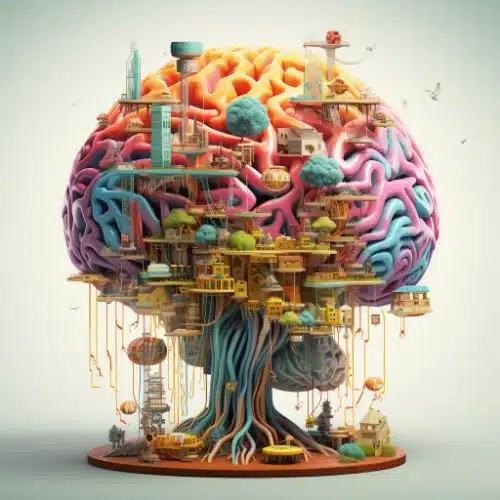
(Part 2) The Neuroscience of Clicks: How Digital Marketing Hacks the Brain
In Part 1 of neuromarketing’s impact on digital marketing, we’ve navigated the evolving digital landscape’s challenges, understanding the brain’s role in decision-making, and leveraging cognitive biases ethically.
Delving into emotional triggers and storytelling, we uncovered their profound influence on consumer behavior and engagement. We explored practical applications for marketers, emphasizing the power of visuals and the synergy between neuromarketing and data analytics.
Part 2 will further unveil the depth of neuromarketing, diving into ethical considerations, case studies, and practical implementation for marketers, continuing the journey of decoding the neuroscience of clicks in digital marketing.
Section 5: The Visual Appeal
Visual appeal is a critical component of digital marketing. In a landscape saturated with content and advertisements, the power of visuals to capture attention and convey messages is unparalleled.
In this section, we will delve into the psychology of color, design, and imagery, exploring how they influence consumer behavior and discussing practical tips for creating visually appealing content in digital marketing.
5.1 The Psychology of Color
Color is a fundamental element of visual appeal that has a profound impact on how individuals perceive and engage with digital content. The psychology of color suggests that different colors can evoke specific emotions and associations:
- Red: Often associated with passion, excitement, and urgency, red can be used to capture attention and prompt action. It is frequently used in sales and discount promotions.
- Blue: Blue is often linked to trust, calm, and reliability. Brands seeking to convey stability and professionalism often use blue in their branding.
- Green: Green is associated with nature, growth, and health. It is often used by brands promoting eco-friendly or health-related products.
- Yellow: Yellow is connected to happiness, warmth, and optimism. It can be used to create a sense of cheerfulness and positivity.
- Black: Black is often associated with sophistication, elegance, and luxury. It is commonly used in high-end or premium brand messaging.
Understanding the psychological associations of colors allows marketers to make strategic choices in branding, web design, and visual content creation. Selecting the right color palette can evoke the desired emotional response in the audience.
5.2 Design Elements and Visual Hierarchy
In addition to color, design elements play a crucial role in the visual appeal of a website design. Effective design can guide the viewer’s eye and convey information more efficiently. Key design principles include:
- Contrast: Contrast helps elements stand out from the background and draws attention. It can be achieved through variations in color, size, or shape.
- Hierarchy: Visual hierarchy is the arrangement of elements to guide the viewer’s attention. This typically involves using larger fonts or images for more important content.
- Alignment: Proper alignment creates a sense of order and coherence in a design. It ensures that elements are organized and easy to navigate.
- Whitespace: Whitespace, or negative space, is the space around elements. It provides a visual breathing room and improves readability.
- Consistency: Consistency in design elements, such as fonts, colors, and layout, creates a unified and professional appearance.
5.3 The Role of Imagery
Imagery, including photographs, illustrations, and graphics, is vital to visual appeal. High-quality, relevant imagery can enhance the visual impact of digital marketing content. The choice of imagery should align with the brand’s message and target audience.
- Authenticity: Authentic imagery that reflects real-life situations and diverse perspectives can resonate more with the audience.
- Relevance: Imagery should directly relate to the content and message, reinforcing the overall narrative.
- Emotional Appeal: Images can evoke emotions and help convey a story or message more effectively than text alone.
- Consistency: Ensure that the style and tone of imagery remain consistent with the brand’s identity.
5.4 Practical Tips for Creating Visually Appealing Content
- Conduct A/B testing: Test different visuals, colors, and design elements to determine what resonates most with your target audience.
- Invest in professional design: High-quality design can significantly enhance the visual appeal of your website, ads, and content.
- Optimize for mobile: Ensure that your visuals are responsive and look good on various devices, including smartphones and tablets.
- Use multimedia: Incorporate videos, infographics, and interactive content to diversify your visual content.
- Monitor engagement: Track the performance of your visuals to understand what is resonating with your audience and adjust your strategy accordingly.
In conclusion, visual appeal is a critical component of digital marketing that can capture attention, convey messages, and influence consumer behavior.
Understanding the psychology of color, design principles, and the role of imagery can help marketers create visually compelling content that resonates with their audience.
In the next section, we will explore the emerging field of neuromarketing and its role in optimizing digital marketing strategies.
Section 6: Neuromarketing and Data Analytics
Neuromarketing is an emerging field that combines neuroscience with marketing to gain a deeper understanding of consumer behavior and decision-making.
Data analytics plays a pivotal role in optimizing digital marketing strategies used by website designing companies in Delhi and all over the world by providing insights into user behavior and campaign performance.
In this section, we will explore the field of neuromarketing and the importance of data analytics in enhancing digital marketing efforts.
6.1 Understanding Neuromarketing
Neuromarketing is the application of neuroscientific principles and techniques to marketing. It seeks to uncover how the human brain responds to marketing stimuli, including advertisements, products, and branding.
The primary goal of neuromarketing is to gain insights into consumer preferences, emotions, and decision-making processes.
Key aspects of neuromarketing include:
- Brain Imaging: Techniques like functional magnetic resonance imaging (fMRI) and electroencephalography (EEG) are used to monitor brain activity and identify which areas of the brain are engaged when individuals view marketing materials.
- Emotion Analysis: Neuromarketing measures emotional responses, allowing marketers to understand which emotions are evoked by their content and how these emotions influence consumer decisions.
- Eye Tracking: Eye tracking technology can reveal where users’ attention is focused, providing valuable data on which elements of a website or advertisement are most engaging.
- Neuro-Design: Neuromarketing principles are applied to design, including the use of color, imagery, and layout to maximize the emotional impact of marketing materials.
6.2 The Role of Data Analytics
Data analytics is the process of analyzing, interpreting, and deriving insights from data. In digital marketing, it is instrumental in making data-driven decisions and optimizing campaigns. Key aspects of data analytics in digital marketing, web development, and e-commerce website development include:
- User Behavior Analysis: Analyzing how users interact with a website or content to understand their preferences and behaviors.
- A/B Testing: Comparing the performance of different elements in a campaign (e.g., headlines, visuals) to determine which variations are most effective.
- Conversion Rate Optimization (CRO): Optimizing websites and landing pages to increase the rate at which visitors take desired actions, such as making a purchase or filling out a form.
- Segmentation: Dividing the audience into segments based on demographics, behavior, or preferences to deliver personalized content.
- Performance Metrics: Monitoring key performance indicators (KPIs) such as click-through rates, conversion rates, and return on investment (ROI).
- Predictive Analytics: Using historical data to make predictions about future trends and consumer behavior.
6.3 Integration of Neuromarketing and Data Analytics
The integration of neuromarketing and data analytics provides a comprehensive understanding of consumer behavior. Neuromarketing offers insights into the emotional and subconscious responses of consumers, shedding light on the “why” behind their decisions.
Data analytics complements this by providing quantitative data on “what” users are doing and how they are responding to marketing efforts.
Practical applications of this integration include:
- Content Optimization: Using neuromarketing insights to create emotionally engaging content and then using data analytics to track how users respond to it.
- Personalization: Leveraging data analytics to segment the audience and deliver content that aligns with their preferences, while considering the emotional triggers identified through neuromarketing.
- A/B Testing Validation: Validating the findings of neuromarketing experiments through A/B testing and data analysis.
- KPI Tracking: Monitoring the performance of campaigns using data analytics to assess their effectiveness and make real-time adjustments.
By combining neuromarketing and data analytics, marketers can create more informed and effective digital marketing strategies.
This integration provides a holistic view of consumer behavior, allowing for the development of emotionally resonant campaigns and data-driven decision-making.
In the next section, we will explore the ethical considerations associated with neuromarketing and data analytics in digital marketing.
Section 7: Ethical Considerations in Neuromarketing
Neuromarketing, with its ability to delve deep into the psychology of consumers, offers immense potential for digital marketers. However, this power must be wielded responsibly, adhering to ethical standards to protect the rights and well-being of consumers.
In this section, we will discuss the ethical considerations associated with neuromarketing in digital marketing.
7.1 Consumer Privacy and Consent
One of the foremost ethical concerns in neuromarketing is the issue of consumer privacy. When conducting studies that involve monitoring brain activity or collecting sensitive data, it is crucial to obtain informed consent from participants.
They should be fully aware of the nature of the study and its potential impact. Transparent communication regarding data collection, storage, and usage is essential.
Marketers should also respect the privacy of individuals when using neuromarketing techniques to gain insights. It is unethical to collect data without the explicit consent of users, whether through their interactions with a website or the analysis of their online behavior.
7.2 Manipulation vs. Persuasion
An ethical tightrope exists between the ethical use of neuromarketing to persuade consumers and the unethical manipulation of their emotions and decisions.
Marketers must be cautious not to exploit the insights gained from neuromarketing to deceive or coerce individuals into making decisions against their best interests.
“Transparency is the key to ethical persuasion.”
Marketers should be clear about their intentions, ensuring that marketing efforts are based on the genuine value offered by a product or service rather than exploiting cognitive biases or emotional triggers to create false perceptions.
7.3 Vulnerable Populations
Certain populations, such as children, the elderly, or individuals with cognitive impairments, are more susceptible to marketing influence. Ethical considerations in neuromarketing involve protecting these vulnerable groups from potentially harmful or manipulative marketing practices.
Regulations and guidelines, particularly for advertising to children, exist to address this issue and ensure that marketing to these demographics is conducted ethically.
7.4 Truth in Advertising
Ethical marketing practices require truth and honesty in advertising. When neuromarketing insights are used to shape marketing campaigns, the claims made about products or services must be accurate and substantiated.
“Exaggerations, misleading statements, or false promises erode trust and can damage a brand’s reputation.”
7.5 Data Security and Protection
Data collected for neuromarketing research must be handled with utmost care. It should be stored securely, and measures should be in place to protect it from unauthorized access or breaches.
Ethical practices in data protection are crucial not only to safeguard consumer privacy but also to comply with relevant data protection laws.
7.6 Accountability and Responsibility
Marketers and organizations should take responsibility for the ethical implications of their neuromarketing efforts. Ethical considerations should be a fundamental part of their decision-making process.
External oversight and audits may be required to ensure that ethical standards are upheld.
7.7 Industry Standards and Self-Regulation
The marketing industry can establish and enforce ethical guidelines and self-regulation. Trade organizations and industry bodies can play a role in setting and upholding ethical standards for neuromarketing.
These standards can help create a level playing field and promote responsible marketing practices.
In summary, the ethical considerations in neuromarketing involve respecting consumer privacy, avoiding manipulation, being truthful in advertising, protecting vulnerable populations, ensuring data security, and promoting accountability and industry self-regulation.
Ethical neuromarketing practices can help build trust and credibility with consumers, fostering long-term relationships and a positive brand reputation.
In the final section of this article, we will provide practical recommendations for digital marketers to apply the principles of neuromarketing and data analytics while adhering to ethical standards.
Section 8: Practical Applications for Digital Marketers
Having explored the intersections of neuromarketing, data analytics, and ethical considerations, it’s time to put these principles into action.
In this section, we will provide practical recommendations for digital marketers to apply the insights from neuromarketing and data analytics while adhering to ethical standards.
8.1 Understand Your Target Audience
- Conduct market research to gain a deeper understanding of your target audience. This includes their demographics, psychographics, and online behavior.
- Leverage data analytics to segment your audience into distinct groups, allowing for personalized marketing efforts.
8.2 Create Emotionally Resonant Content
- Identify the emotional triggers that resonate with your audience and incorporate them into your content.
- Use storytelling to evoke emotions and create a meaningful connection with your audience.
8.3 Optimize Visual Appeal
- Choose colors and design elements that align with your brand identity and resonate with your audience’s emotions.
- Utilize high-quality, relevant imagery that enhances the visual appeal of your content.
8.4 A/B Testing and Data-Driven Decisions
- Implement A/B testing to analyze variations in your marketing materials and determine which elements are most effective.
- Use data analytics to track and measure the performance of your campaigns. Adjust your strategies based on the insights gained.
8.5 Personalization and User Experience
- Personalize your marketing efforts based on user behavior and preferences, creating a more tailored experience.
- Optimize the user experience on your website or landing pages to improve conversion rates.
8.6 Transparent and Ethical Practices
- Ensure transparency in data collection, usage, and sharing. Obtain explicit consent when necessary.
- Adhere to ethical marketing practices by avoiding manipulative tactics and being truthful in advertising.
8.7 Data Security and Privacy Protection
- Implement robust data security measures to safeguard consumer data.
- Comply with data protection laws and regulations to protect consumer privacy.
8.8 Continuous Learning and Adaptation
- Stay up-to-date with the latest developments in neuromarketing, data analytics, and ethical standards.
- Be open to adapting your strategies as the digital marketing landscape evolves.
8.9 Industry Collaboration and Self-Regulation
- Collaborate with industry associations and trade organizations to establish and adhere to ethical standards in marketing.
- Engage in self-regulation and adhere to industry guidelines and best practices.
By applying these practical recommendations, digital marketers can leverage the insights gained from neuromarketing and data analytics to create more effective and ethical marketing campaigns.
This approach not only enhances engagement and conversions but also builds trust and credibility with consumers, leading to long-lasting brand loyalty and a positive brand reputation.
In conclusion, the convergence of neuromarketing, data analytics, and ethical considerations offers a compelling framework for digital marketers to navigate the complex and competitive digital landscape.
By understanding the human brain’s role in decision-making, leveraging cognitive biases, emotional triggers, and storytelling, and integrating ethical practices, marketers can craft compelling campaigns that resonate with their audience and drive success in the digital realm.
Conclusion
In this comprehensive article, we have explored the dynamic intersection of neuromarketing, data analytics, and ethical considerations in the realm of digital marketing. The key takeaways are as follows:
- Understanding the Human Brain: The human brain is a powerful influence on consumer behavior. By delving into the emotional and cognitive processes that drive decision-making, digital marketers can create campaigns that resonate on a profound level.
- Cognitive Biases and Emotional Triggers: Cognitive biases play a pivotal role in shaping consumer perceptions and decisions. Leveraging these biases, combined with emotional triggers and storytelling, allows marketers to create content that captures and retains the audience’s attention.
- Visual Appeal: The visual elements of marketing, including color psychology, design principles, and imagery, are integral to capturing the viewer’s attention and conveying messages effectively.
- Neuromarketing and Data Analytics: The integration of neuromarketing and data analytics provides a holistic view of consumer behavior. It enables data-driven decision-making, personalization, and the optimization of marketing strategies.
- Ethical Considerations: Upholding ethical standards in neuromarketing is essential. This includes respecting consumer privacy, avoiding manipulation, and maintaining transparency and data security.
- Practical Applications: Digital marketers can apply these principles by understanding their target audience, creating emotionally resonant content, optimizing visual appeal, conducting A/B testing, personalizing user experiences, and adhering to ethical practices.
- Industry Collaboration: Collaboration with industry associations and self-regulation is crucial for establishing and adhering to ethical standards in marketing.
Reiterating the Significance of Understanding the Neuroscience Behind Clicks
Understanding the neuroscience behind clicks is more relevant and crucial than ever in the digital marketing landscape. It allows marketers to connect with their audience on a deeper, emotional level.
By tapping into the emotional and cognitive processes that guide consumer behavior, marketers can craft campaigns that not only capture users’ attention but also influence their decisions and foster brand loyalty.
Encouraging a Multidisciplinary Approach for More Effective Campaigns
The digital marketing landscape is dynamic and multifaceted. To thrive in this environment, digital marketers must embrace a multidisciplinary approach.
This includes integrating insights from neuroscience, cognitive psychology, data analytics, and ethical considerations into their strategies.
By doing so, marketers can create compelling and ethical campaigns that drive success in the competitive digital realm. Contact our website designing company in India to know more.
References
-
Ariely, D. (2008). Predictably Irrational: The Hidden Forces That Shape Our Decisions. HarperCollins.
-
Dooley, R. (2014). Brainfluence: 100 Ways to Persuade and Convince Consumers with Neuromarketing. Wiley.
-
Duhigg, C. (2014). The Power of Habit: Why We Do What We Do in Life and Business. Random House.
-
Plassmann, H., Ramsøy, T. Z., & Milosavljevic, M. (2012). Branding the Brain: A Critical Review and Outlook. Journal of Consumer Psychology, 22(1), 18-36.
-
Smith, A. N., Fischer, E., & Yongjian, C. (2012). How does brand-related user-generated content differ across YouTube, Facebook, and Twitter? Journal of Interactive Marketing, 26(2), 102-113.
-
These references offer in-depth insights into the field of neuromarketing, cognitive psychology, and digital marketing, providing valuable resources for digital marketers seeking to deepen their understanding of this multidisciplinary approach.

The Neuroscience of Clicks: How Digital Marketing Hacks the Brain (Part 1)
In the ever-evolving realm of digital marketing, success hinges on capturing and retaining the attention of an audience overwhelmed by a deluge of online content. To stand out in this highly competitive landscape, marketers have increasingly turned to the understanding of human behavior and psychology. One of the most intriguing and impactful intersections in this domain is the relationship between neuroscience and digital marketing.
The significance of this synergy cannot be overstated. As the digital realm continues to expand and diversify, businesses and brands constantly seek new and innovative ways to engage, persuade, and convert users.
In this pursuit, the brain becomes the final frontier for marketers, offering insights into why individuals click on certain ads, share specific content, or make purchase decisions online.
In this article, we will embark on a fascinating journey into the world of neuromarketing, exploring the profound impact of neuroscience on digital marketing.
We’ll delve into the inner workings of the human brain, shedding light on the cognitive and emotional processes that underpin decision-making. From there, we’ll unveil how these neurological insights can be applied to create more effective digital marketing campaigns.
Our roadmap for this exploration is as follows:
- The Power of the Digital Landscape: In this section, we’ll set the stage by discussing the dominance of digital marketing and the challenges marketers face in grabbing users’ attention. We’ll introduce the idea that understanding the human brain can be a game-changer for digital marketers.
- The Brain’s Role in Decision-Making: The brain plays a central role in decision-making. We’ll delve into the emotional and cognitive processes that guide our choices, introducing key concepts like the limbic system and prefrontal cortex.
- Cognitive Biases in Digital Marketing: We’ll explore various cognitive biases that influence consumer behavior and how these biases can be harnessed for marketing campaigns. Ethical considerations surrounding their use will also be discussed.
- Emotional Triggers and Storytelling: Here, we’ll focus on the emotional triggers used in marketing, such as fear, joy, and nostalgia. We’ll delve into the role of storytelling in evoking emotions and building connections with brands.
- The Visual Appeal: The visual element in digital marketing is essential, and we’ll explain the psychology of color, design, and imagery in capturing users’ attention. Practical tips for creating visually appealing content will also be provided.
- Neuromarketing and Data Analytics: The emerging field of neuromarketing, which employs neuroscience to optimize marketing strategies, will be introduced. We’ll also discuss the role of data analytics and A/B testing in refining campaigns based on user responses.
- Ethical Considerations in Neuromarketing: Ethics in neuromarketing is a crucial topic. We’ll highlight the ethical concerns associated with this practice and the industry standards and regulations in place to ensure responsible marketing.
- Practical Applications for Digital Marketers: In the final section, we’ll offer practical insights and recommendations for digital marketers to implement the insights gained from neuroscience. Real-world case studies will illustrate the successful application of these principles.
As we journey through these sections, we will uncover the profound influence of the brain on digital marketing and equip marketers with the tools and knowledge to create more impactful and ethical campaigns. Let’s begin our exploration of the neuroscience of clicks in the world of digital marketing.
Section 1: The Power of the Digital Landscape
The evolution of marketing has witnessed a remarkable transformation over the past few decades. Traditional advertising methods, such as billboards, television commercials, and print media, have taken a backseat as digital marketing has surged to the forefront.
The emergence of the internet and the proliferation of smartphones have ushered in an era where the vast majority of consumer interactions and transactions occur online.
In this section, we will explore the evolution and dominance of digital marketing, the challenges that marketers face in this landscape, and the idea that understanding the human brain can revolutionize their approach.
1.1 The Evolution of Digital Marketing
Digital marketing is not just a marketing channel; it’s an entire ecosystem that encompasses a broad spectrum of strategies and tools. It has its roots in the early days of the Internet when businesses began to recognize the potential of online advertising.
From the humble beginnings of banner ads and email marketing, digital marketing has evolved into a complex, multi-faceted discipline.
Today, digital marketing encompasses a wide range of channels, including search engine optimization (SEO), social media marketing, content marketing, pay-per-click advertising, email marketing, influencer marketing, and more.
The rise of e-commerce platforms and online marketplaces has made it easier than ever for businesses to reach global audiences with their products and services.
1.2 The Challenges of Capturing and Retaining Attention
With the rise of digital marketing, a new set of challenges has emerged. The internet is a crowded space, and users are bombarded with an overwhelming amount of information and advertisements daily. Marketers face the formidable task of capturing and, even more importantly, retaining the attention of their target audience.
One of the primary challenges is ad blindness. Users have become adept at ignoring or avoiding ads, whether through ad-blockers or simply through learned behavior. Banner blindness, where users automatically tune out standard ad formats, is a prime example. This forces marketers to seek more creative and compelling ways to engage their audience.
Furthermore, the “scrolling culture” that defines digital consumption means that marketers have only a few seconds to make an impression and convince users to stay. The speed and ease of scrolling on social media feeds, for instance, create a constant battle for attention.
1.3 The Brain as a Game-Changer for Digital Marketers
To overcome the challenges of the digital landscape, marketers are increasingly turning to the science of the human brain. Understanding the brain’s inner workings can provide marketers with a deeper insight into what captures and sustains attention.
The brain, as the control center for all human actions, plays a pivotal role in shaping consumer behavior. By tapping into the brain’s cognitive and emotional processes, marketers can create content and campaigns that resonate on a profound level.
For example, understanding how emotions influence decision-making or how cognitive biases affect perception can inform strategies that resonate with users and drive engagement.
In essence, this article will demonstrate that the fusion of neuroscience with digital marketing has the potential to be a game-changer, offering marketers an innovative edge in a fiercely competitive landscape.
By decoding the mysteries of the brain, digital marketers can craft more compelling, persuasive, and engaging campaigns that not only capture but also retain users’ attention.
As we continue our journey through the intersections of neuroscience and digital marketing, we will uncover how these insights can be practically applied to create successful campaigns.
Section 2: The Brain’s Role in Decision-Making
Understanding the brain’s role in decision-making is pivotal in unraveling the secrets of successful digital marketing. In this section, we will delve into the intricacies of how the human brain influences choices, with a focus on both emotional and cognitive processes.
We’ll introduce key brain regions, such as the limbic system and prefrontal cortex, and emphasize the significance of emotions in decision-making, which has direct relevance to marketing strategies.
2.1 The Brain’s Decision-Making Machinery
The brain is a remarkable organ responsible for regulating numerous aspects of our daily lives, including the choices we make. Decision-making is a complex cognitive process that involves a delicate interplay between various brain regions. At its core, this process can be broadly categorized into two main components: emotional and cognitive.
- Emotional Processes: Emotions play a vital role in decision-making. The limbic system, a set of interconnected brain structures, is primarily responsible for emotional processing. It includes the amygdala, hippocampus, and the limbic cortex. The amygdala, in particular, is central to the brain’s emotional response system. When individuals make decisions, emotions often guide their choices. For example, feelings of trust, fear, happiness, and excitement can heavily influence how a decision is reached.
- Cognitive Processes: Decision-making also involves cognitive functions. The prefrontal cortex, located in the frontal lobes of the brain, is a key player in this regard. It is responsible for higher-order cognitive functions, such as reasoning, planning, and evaluating the consequences of actions. The prefrontal cortex helps individuals make rational, well-informed decisions by weighing various options, considering consequences, and applying logic.
2.2 The Role of Emotions in Decision-Making
“Emotions are a driving force behind many of our decisions.”
They color our perceptions, shape our preferences, and even lead us to take certain actions. This emotional influence can be profound in marketing. When consumers interact with advertisements or products, their emotional responses often dictate whether they choose to engage or make a purchase.
For instance, a heartwarming and emotionally resonant story about a brand’s journey can evoke feelings of trust and connection. Similarly, a fear-inducing message about a potential problem that a product or service can solve may drive a sense of urgency and action.
By understanding how the brain processes emotions, marketers can intentionally craft content that triggers the desired emotional response.
In the context of digital marketing, emotional appeal can be harnessed through various means, such as compelling storytelling, the use of imagery, and the selection of colors that elicit specific emotions.
Understanding the interplay between the limbic system and emotional responses equips marketers with the ability to create campaigns that resonate on a deep emotional level.
In summary, the human brain is a complex decision-making engine, influenced by both emotional and cognitive processes. The limbic system, with its emotional center, and the prefrontal cortex, with its rational thinking capabilities, work in tandem to guide choices.
Emotions, in particular, play a pivotal role in decision-making and are of utmost relevance to digital marketing. Marketers who understand these processes can leverage this knowledge to create content and campaigns that connect with their audience on a visceral level, driving engagement and conversion.
In the subsequent sections of this article, we will explore how marketers can practically apply these insights to their digital marketing strategies.
Section 3: Cognitive Biases in Digital Marketing
Cognitive biases are fascinating quirks of the human mind that influence our perceptions, judgments, and decisions. In the context of digital marketing, understanding these biases is essential as they can be harnessed to create more persuasive and effective campaigns.
In this section, we will explore various cognitive biases, their impact on consumer behavior, and how marketers can use them to their advantage while also addressing the ethical considerations associated with their use.
3.1 What Are Cognitive Biases?
“Cognitive biases are systematic patterns of deviation from norm or rationality in judgment, often occurring as a result of mental shortcuts or heuristics that the brain uses to simplify complex information processing.”
These biases are inherent to human thinking and can lead individuals to make decisions that may not always align with logical or rational conclusions.
Recognizing these biases and how they operate is a crucial step for digital marketers seeking to influence consumer behavior.
3.2 Cognitive Biases and Consumer Behavior
Cognitive biases can significantly influence consumer behavior and impact their interactions with digital marketing efforts. Some of the most relevant cognitive biases in digital marketing include:
- Confirmation Bias: People tend to seek out information that confirms their existing beliefs and ignore information that contradicts them. In marketing, this bias can be harnessed by framing your product or service in a way that aligns with your target audience’s pre-existing beliefs or preferences.
- Anchoring Bias: This bias occurs when individuals rely too heavily on the first piece of information encountered (the “anchor”) when making decisions. Marketers can use this by presenting a higher-priced option first, making subsequent options seem more reasonable in comparison.
- Scarcity Bias: The fear of missing out can be a powerful motivator. By emphasizing limited quantities or time-limited offers in marketing campaigns, you can trigger the scarcity bias, prompting consumers to act quickly.
- Bandwagon Effect: People tend to follow the actions or beliefs of the majority. By showcasing the popularity of your product or service through social proof (e.g., customer reviews or testimonials), you can leverage the bandwagon effect.
- Decoy Effect: Introducing a less attractive option to make another option seem more appealing is a classic marketing strategy. This exploits the decoy effect, as consumers are more likely to choose the option that is relatively better in comparison.
- Loss Aversion: People tend to prefer avoiding losses over acquiring equivalent gains. By framing a product or service as a solution to potential losses (e.g., financial security or peace of mind), you can tap into this bias.
3.3 Ethical Considerations in Exploiting Cognitive Biases
While cognitive biases can be powerful tools in digital marketing, their use raises ethical considerations. Marketers must strike a balance between persuasion and manipulation.
“Ethical marketing practices involve transparency, honesty, and respect for the autonomy of consumers.”
Manipulating cognitive biases to deceive or coerce consumers is both unethical and damaging to a brand’s reputation.
The responsible use of cognitive biases in digital marketing entails:
- Communicating the benefits and limitations of a product or service.
- Avoiding false or misleading claims.
- Respecting consumers’ decision-making autonomy.
By adhering to ethical guidelines, marketers can harness the power of cognitive biases while maintaining trust and credibility with their audience.
In summary, cognitive biases are inherent to human decision-making and play a pivotal role in consumer behavior. Marketers can leverage these biases to create persuasive and effective digital marketing campaigns.
However, it is essential to approach their use ethically, ensuring that transparency and honesty are at the forefront of all marketing efforts.
In the following sections of this article, we will explore the emotional triggers and storytelling techniques that can complement the understanding of cognitive biases to create compelling digital marketing campaigns.
Section 4: Emotional Triggers and Storytelling
Emotions are a powerful driving force in human decision-making and behavior. In the realm of digital marketing, tapping into these emotions through storytelling can create a deep and lasting connection with the audience.
In this section, we will explore the significance of emotional triggers and storytelling in digital marketing, their impact on consumer behavior, and how marketers can effectively incorporate them into their campaigns.
4.1 The Power of Emotional Triggers
Emotional triggers are specific stimuli that evoke emotional responses in individuals. These triggers can be harnessed to create a profound connection between a brand and its audience. Emotions can range from joy and excitement to fear and nostalgia, and each emotion can be strategically used to drive consumer engagement and action.
- Joy and Happiness: Evoking feelings of joy and happiness can create a positive association with a brand or product. This emotional trigger is often used in advertisements to showcase the benefits and pleasures associated with a product or service.
- Fear and Urgency: Fear is a potent emotion that can drive consumers to take action. Marketers often use fear-based triggers to highlight potential problems that their product or service can solve, creating a sense of urgency.
- Nostalgia: Nostalgia can be a powerful emotional trigger, as it transports individuals back to fond memories and experiences. Brands can use nostalgia to create a sense of connection and sentimentality.
- Empathy and Compassion: Demonstrating empathy and compassion in marketing campaigns can connect with consumers on a deeper, emotional level. It shows that a brand understands and cares about its customers’ needs and concerns.
4.2 The Art of Storytelling
Storytelling is a fundamental human activity that transcends cultures and generations. It is a means of conveying information and emotional experiences in a narrative format. In the context of digital marketing, storytelling is a powerful tool to engage and resonate with the audience.
Effective storytelling involves:
- Creating a Narrative: Craft a compelling story that captures the audience’s attention and holds it from beginning to end. It should have a clear structure, including an introduction, conflict, and resolution.
- Relatability: Stories should be relatable to the target audience. They should reflect the challenges, desires, and experiences that the audience can identify with.
- Emotional Appeal: Stories should evoke emotions that align with the brand’s message or product. Emotional resonance is key to creating a lasting impact.
- Visual and Verbal Elements: The use of visuals, such as images or videos, can enhance the storytelling experience. Use both verbal and non-verbal elements to convey the narrative.
- Consistency: The brand’s message and values should remain consistent throughout the storytelling process. It should align with the emotional triggers the brand seeks to evoke.
4.3 Practical Applications in Digital Marketing
Practical applications of emotional triggers and storytelling in digital marketing include:
- Content Marketing: Crafting blog posts, articles, and videos that tell compelling stories related to the brand or product.
- Social Media Marketing: Using social media platforms to share stories that resonate with the target audience, including customer success stories and behind-the-scenes narratives.
- Email Marketing: Creating email campaigns that use emotional triggers and storytelling to engage subscribers and encourage them to take action.
- Video Marketing: Leveraging video content to tell impactful stories that connect with viewers on a personal level.
- Advertising Campaigns: Integrating emotional triggers and storytelling into ad campaigns to capture attention and drive conversions.
Incorporating emotional triggers and storytelling into digital marketing strategies not only helps build brand loyalty but also forges a genuine connection with the audience. When consumers emotionally connect with a brand, they are more likely to become loyal customers and advocates.
In summary, emotional triggers and storytelling are powerful tools in digital marketing that leverage the deep emotional responses of consumers. By effectively incorporating these elements into marketing campaigns, brands can create a lasting connection with their audience, influencing their behavior and driving engagement and conversions.
In the following sections, we will explore the visual appeal in digital marketing and the role of neuromarketing and data analytics in optimizing campaigns.
Stay tuned with our website designing company in Delhi to read the rest of the article, it’s definitely worth the wait.

Typography Trends in Web Design: From Serif to Sans Serif and Beyond
Explore the evolution of typography in web design, from classic serif and sans-serif fonts to modern trends.
In the ever-evolving realm of web design, typography serves as a powerful tool for conveying messages, establishing brand identity, and enhancing user experience. From the classic elegance of serif fonts to the modern simplicity of sans-serif, the journey through typography trends is a fascinating exploration of style, substance, and user interaction.
As one of the best website designing company in India, we understand typography’s pivotal role in crafting compelling digital narratives.
Join us on a journey through the evolution of fonts, exploring how they impact readability, accessibility, and overall design aesthetics.
Evolution of Typography in the Digital Age
The transition from print to digital media has brought about a revolution in typography. While print design allowed for precise control over every aspect of typography, the digital landscape introduced new challenges and freedoms. At ICO, we’ve witnessed this evolution firsthand, adapting our approach to typography to suit the dynamic nature of the online environment.
“Digital typography demands more than just visual appeal; it requires adaptability, scalability, and responsiveness.”
Fonts need to render flawlessly across various devices and screen resolutions. This shift has propelled designers and developers to explore web-safe fonts, Google Fonts, and custom font-loading techniques to ensure optimal performance without compromising design aesthetics.
The Psychological Impact of Fonts
Beyond aesthetics, fonts have a profound psychological impact on users. Each font carries its associations and evokes specific emotions.
 For instance, a playful and casual font might be suitable for a children’s website or a creative agency aiming to convey a friendly and approachable vibe. Meanwhile, a clean and professional font choice would be more fitting for corporate or financial institutions seeking to convey trust and reliability.
Understanding the psychology behind font choices allows designers to align their selections with the intended emotional response. As a website development company in Delhi, we recognize the importance of using fonts that resonate with the target audience, fostering a deeper connection and eliciting the desired user response.
Accessibility and Inclusivity Through Typography
In the pursuit of user-centric design, accessibility plays a pivotal role. Web designers must ensure that their chosen fonts cater to diverse user needs, including those with visual impairments.
“Fonts with excellent legibility and readability, appropriate font sizes, ample spacing, and sufficient color contrast contribute to a more inclusive web experience.”
This inclusivity extends to localization and internationalization efforts. Websites targeting global audiences must consider fonts that support various languages and characters, allowing for seamless communication across cultures. As a website development company in India, we emphasize the importance of inclusive design practices that prioritize accessibility without compromising on aesthetics.
Typography as a Storyteller
Typography isn’t merely a visual element; it’s a storyteller that communicates the essence of content. The hierarchy established through font choices, sizes, and styles guides users through the narrative.
Headlines draw attention, subheadings organize information, and body text delivers the core message.
At ICO, we leverage typography to enhance storytelling on websites. Strategic use of typography aids in creating engaging content structures that keep users immersed and encourage exploration.
“It’s not just about what is said but also about how it is presented through the artful use of fonts.”
The Future of Typography in Web Design
The landscape of typography in web design continues to evolve, presenting exciting opportunities for innovation. Variable fonts, for instance, offer a single file that contains multiple variations of a typeface, allowing for greater flexibility and creativity in design while keeping file sizes minimal.
Moreover, with the rise of immersive technologies like augmented reality (AR) and virtual reality (VR), typography is expected to extend beyond the confines of screens, integrating seamlessly into interactive and three-dimensional spaces.
As a forward-thinking eCommerce website development agency in India, we eagerly anticipate how typography will evolve to complement these emerging technologies.
The Fonts
The Classic Elegance of Serif Fonts
Bold serif fonts have long been associated with tradition, authority, and a touch of sophistication. Historically rooted, they exude a timeless charm that resonates with certain brands seeking to establish a sense of trust and reliability. In the context of web design, serif fonts can evoke a sense of formalism and elegance, making them suitable for websites related to art, literature, or institutions.
The Modern Simplicity of Sans-Serif Fonts
On the flip side, the rise of the digital era has brought about a surge in the use of sans-serif fonts. These fonts, characterized by clean lines and a lack of decorative strokes, offer a contemporary and minimalistic appeal.
We recognize the prevalence of sans-serif fonts in creating a modern, user-friendly online presence. They are often favored for their readability on various devices and screens.
 Breaking Boundaries with Experimental Fonts
In the quest for uniqueness, designers are increasingly experimenting with unconventional and custom fonts. These experimental fonts, often bespoke creations, add a touch of creativity and originality to a brand’s visual identity.
At ICO, we encourage our clients to consider the bold statement that experimental fonts can make, provided they align with the brand’s personality and message.
Impact of Font Choices on Readability and Accessibility
While style is undoubtedly crucial, the practical aspects of readability and accessibility cannot be ignored. In the era of mobile browsing, responsive design, and diverse user needs, choosing the right font is paramount, for websites targeting a global audience, incorporating fonts that support multiple languages is essential.
As SEO experts in Delhi, we emphasize the importance of making content accessible to a broad audience for enhanced search engine visibility.
Selecting Fonts Aligned with Design Objectives
We recognize that font selection should align seamlessly with design objectives.
For a corporate website, combining sans-serif fonts for clarity and a serif font for headers can strike a balance between professionalism and approachability.
E-commerce sites may benefit from bold, easily readable fonts to highlight product details, while artistic portfolios can explore more unique and expressive typefaces.
Typography as a Brand Identity Builder
 In the realm of branding, typography plays a pivotal role in establishing and reinforcing a brand’s identity. At ICO, we often collaborate with clients to identify fonts that not only resonate with their target audience but also align with the personality and values of their brand.
“Consistency in font usage across various platforms helps in creating a cohesive and memorable brand image.”
Bold typography can be particularly effective in conveying a brand’s strength and confidence. It draws attention and can serve as a powerful visual anchor on a website. This is especially relevant for businesses seeking to make a bold statement in the competitive online landscape.
As the best website designing company in Delhi, we’ve witnessed the impact that strategically chosen bold fonts can have on brand recall and user engagement.
Dynamic Typography in Responsive Design
The advent of responsive design has brought forth new challenges and opportunities in the world of typography. As users access websites on a myriad of devices, from large desktop monitors to small smartphone screens, the importance of web development in India and elsewhere in creating adaptable and dynamic typography has become paramount.
Responsive typography involves the use of fluid grids and media queries to ensure that text adjusts seamlessly to different screen sizes. This not only enhances user experience but also contributes to the overall aesthetics of the website.
At ICO WebTech, we emphasize the need for responsive typography in our projects to ensure a consistent and enjoyable experience for users across diverse devices.
Navigating Font Pairing for Visual Harmony
Beyond the choice between serif and sans-serif, the art of font pairing adds another layer to typographic design. Combining fonts thoughtfully can create visual interest, hierarchy, and a harmonious overall look. As a website designing company in Delhi, we often experiment with font pairings to strike the right balance between heading and body text, ensuring readability and aesthetic appeal.
Recommendations for Effective Font Pairing:
- Pairing a bold sans-serif font with a delicate serif font for a modern and sophisticated look.
- Using a consistent font family but varying weights and styles to create a visual hierarchy.
- Experimenting with contrasting fonts to highlight key elements on a webpage.
Typography and User Engagement
The impact of font choices extends beyond aesthetics and readability—it directly influences user engagement. Consider a scenario where a user lands on a website, and the typography is difficult to read or feels mismatched with the content. This can lead to a negative first impression and potentially drive users away.
As a website designing company in India dedicated to creating engaging digital experiences, we emphasize the need for user-centric typography. Fonts should be chosen not just for their visual appeal but also for how they contribute to a positive and immersive user experience.
The Role of SEO in Font Selection
In the competitive digital landscape, visibility on search engines is crucial. Here’s where the role of SEO experts in India becomes intertwined with typography.
Search engines consider various factors, including page load speed and mobile-friendliness, in their ranking algorithms. Choosing web-friendly fonts that don’t compromise performance is a key consideration.
Additionally, the use of proper HTML tags for headings and subheadings with strategic placement of keywords in the text contributes to better search engine optimization.
At ICO WebTech, we collaborate with designers to strike a balance between visually appealing typography and SEO-friendly practices.
Conclusion
Typography stands at the intersection of aesthetics, functionality, and user experience in web design.
As a dynamic and ever-evolving discipline, it influences how content is perceived, understood, and engaged with by users. Embracing the power of typography allows designers to craft meaningful and memorable digital experiences that resonate with audiences on a profound level.
As a leading web design agency in Delhi committed to pushing the boundaries of design, we advocate for a holistic approach to typography—one that considers not only visual appeal but also accessibility, storytelling, and the evolving trends shaping the future of web design.
“Typography isn’t just about letters and characters; it’s about creating a captivating visual language that speaks volumes to users worldwide.”

The Marriage of Art and Code
Exploring the World of Generative Design in Web Development
Hey there, web enthusiasts! Today, we’re diving deep into the captivating realm where art meets code, creating a symphony of visual brilliance known as generative design. Buckle up as we explore how algorithms and clever coding are reshaping the way we experience websites, bringing a tidal wave of creativity to the world of web development.
Unleashing the Power of Generative Design
Picture this: a website that’s not just static pixels on your screen but a living, breathing entity that adapts and evolves as you navigate through it.
That’s the magic of generative design! It’s not your run-of-the-mill web development; it’s a dynamic dance between artistry and code, giving birth to designs that surprise and delight.
Cracking the Code: Where Algorithms Steal the Show
Now, let’s talk about the real stars of this show—algorithms. These mathematical wizards are the puppet masters behind the scenes, dictating how our web elements behave.
By infusing code with creativity, designers can create websites that don’t just stand still but respond to the rhythm of user interactions, time of day, or any other variable you throw their way.
Putting the “Wow” in Web Design: Real-world Applications
Enough theory—let’s see this in action! Imagine a website for a cutting-edge website designing company in India. The homepage could be like a chameleon, changing its colors based on where you are or the time of day.
It’s not just eye candy; it’s a personalized experience that leaves a lasting impression. Who wouldn’t want to engage with a website that’s as dynamic as it is visually stunning?
More Than Just Eye Candy: Engaging Users Dynamically
Generative design isn’t just about pretty visuals; it’s about making your website come alive. Think animated backgrounds, shape-shifting elements, and patterns that evolve before your eyes.
For a web development scene in Delhi, embracing generative design isn’t just a nod to aesthetics; it’s a statement of innovation, setting a website apart in a sea of static pages.
The Balancing Act: Where Art and Functionality Tango
In this dance of creativity, striking the right balance is key. Generative design lets designers infuse a website with personality while ensuring it remains user-friendly. It’s the sweet spot where artistic expression meets seamless functionality. For a website designing company in Delhi, it’s about speaking to a diverse audience that craves both style and substance.
Challenges and Tomorrow’s Frontiers
Of course, with great creativity comes great responsibility. Designers grapple with the challenge of complexity versus usability. But fear not, because the future is promising. Picture this: artificial intelligence and machine learning stepping into the ring, pushing generative design to new heights.
The future? Even more sophisticated, even more personalized web experiences.
In Conclusion: Where Art, Code, and Future Collide
So, there you have it—a whirlwind tour through the dynamic world of generative design.
From spicing up the online presence of a website designing company in India to redefining the visual landscape of web development in Delhi, this is the wave you want to ride.
As technology propels us forward, embracing the creative power of algorithms isn’t just an option; it’s the future of web design—a future that promises a captivating and immersive experience for users worldwide.
Get ready to ride the wave! 🌊✨

Role of Digital Marketing Company in Growing Your Business!
As a business owner, you want to thrive and not only survive, right? Sure, you must be familiar with the differences between surviving and thriving. However, do you know how much difference digital marketing can have on your business?
Now, if you talk to our website design India experts, they will explain that when you’re breaking even, your business is surviving. On the other hand, you can claim your business is thriving when your revenues rise significantly.
Among the factors that contribute to either your business surviving or thriving is digital marketing. As such, in today’s times, ignoring the importance of digital marketing is detrimental to your business.
Of course, both small and medium enterprises are going all out to grab the online space. Our expert team at Online Marketing Delhi India will also vouch that several brick-and-mortar enterprises are transforming their business models to online ones. Or, they seem to be romping up with digital marketing strategies for getting more business.
Besides attracting your target group, our SEO company India Pros also helps to convert leads into loyal customers.
Let’s move on to, what constitutes digital marketing and its various benefits and types.
Types of digital marketing
Using digital marketing channels, our Marketing specialist team facilitates contact with users online. The different ways of engaging with prospects and customers via digital marketing channels are detailed below:
- Social Media
Our India Digital Marketing Services professional team uses the most popular social media platforms such as Snapchat, Twitter, LinkedIn, Facebook, and Instagram. We rely heavily on social media channels to promote brands via sponsored content and paid ads.
- Influencer Marketing
Through influencer marketing, our India Digital Marketing Agency collaborates with celebrities and other famous personalities to reach their target groups.
- Email Marketing
Email marketing campaigns include remaining connected with clients and prospects by sending them customized newsletters and new offers via email. Our team of SEM agency India experts target prospective clients via their brand engagements and shopping history.
- Content Marketing
Content marketing is all about guiding prospects throughout the buying process. By producing videos and content, marketing teams help consumers decide on the products or services that are best suited to their needs.
- Search Engine Optimization (SEO) Marketing
Marketing companies strive to be among the top ranks in the SERPs. By doing so, they can establish online brand authority and this helps to inspire confidence among users about the superior quality of your products and services.
- Pay-per-click
Marketing teams also opt for PPC and paid ad campaigns to get traffic on their websites.
- Affiliate Marketing
Under affiliate marketing, companies work with individuals to promote their offerings on online platforms. The affiliates earn a commission for every sale that they contribute to.
Benefits of digital marketing
Here are some benefits of including digital marketing strategies as part of your overall marketing plans.
- Offers a level-playing field
Digital marketing provides a level playing field for small and medium companies to compete with large corporations.
- Highly affordable
The cost-effectiveness of digital marketing channels is another reason why our SME clients approach our e-commerce website design India panel. In other words, because digital marketing channels are affordable, business owners can compete, benefit from higher traffic numbers, and increase their ROI.
- Raises your conversion rate
With digital marketing campaigns, our India SEO specialists can convert incoming traffic into subscribers, leads, and sales – all of which are hallmarks of any successful business.
- Earns you more revenue
Our Web Development India expert team can help you reap more revenues by increasing your conversion rate. So, you can expand your business both locally and internationally.
- Facilitates interaction with online users
An important benefit of digital marketing is that the medium facilitates engagement and interaction with your targeted audience. However, the way you handle such interactions determines the success or failure of your business.
How to do digital marketing
Digital marketers are appointed by companies for brand awareness and lead generation. Such professionals use digital channels – including both free and paid platforms – to market the various company products and services.
Among the list of digital channels that our India Digital marketing Agency adopts include email marketing, search engines, social media, and company blog, among others.
Our digital marketing professionals are also familiar with the various KPIs (key performance indicators) of each channel and this helps them to measure the performance of the different mediums.
For instance, our SMM services India digital marketer who is responsible for SEO has to be well-versed in measuring the ‘organic traffic’ that the company website attracts. Organic traffic originates from search engine searches after the user submits a query.
Approach the digital marketing experts to benefit from greater business revenue today!
Whether you’re running a small, medium, or large business, you can count on our website designing company in India. With our support, you can exploit the varied digital marketing mediums and augment your overall marketing efforts.
For small-scale businesses, you can opt for a generalist who oversees all your digital marketing channels. In contrast, larger organizations have numerous specialists, with each of them focusing on a particular digital channel of a brand.
Are you ready to take your business from surviving to thriving in the digital world?
Our team at ICO WebTech, a leading web design and development company in India, is here to help you unlock the full potential of digital marketing.
Whether you’re a small, medium, or large business, we have the expertise to tailor digital marketing strategies to your specific needs. From SEO and social media to email marketing and web design, our experienced professionals can elevate your online presence and drive results.
Don’t miss out on the incredible benefits of digital marketing, such as reaching a wider audience, boosting your conversion rates, and increasing your revenue. It’s time to engage with your target audience and grow your business like never before.
Contact ICO WebTech today, and let’s start your journey towards business success through digital marketing. Your thriving future awaits!

Essential Factors That Influence Website Design and Development Costs
In today’s digitally-driven world, having a website is no longer just an option—it’s a necessity. Whether you’re an individual with a personal blog, a small business owner, or part of a large corporation, creating a website involves a myriad of considerations, from choosing a domain name to designing the site itself.
In this extensive guide, we’ll take a deep dive into the various components and costs associated with website development.
We’ll explore everything from domain registration and hosting to design options, such as website builders and professional designers. So, let’s embark on this journey to understand the intricacies of building a website and be well-prepared for the endeavor.
Table of Contents:
- An Overview of Website Design and Development Costs
- Domain Name
- Importance of Domain Names
- How to Choose the Right Domain Name
- Domain Registration Costs
- Web Hosting
- The Role of Web Hosting
- Types of Hosting Services
- Factors Influencing Hosting Costs
- Designing Your Website
- Website Builders
- The Role of Professional Web Design
- The DIY Approach
- The Cost of SSL Certificates
- Understanding SSL Certificates
- Why SSL is Crucial for Your Website
- SSL Certificate Costs
- Additional Costs to Consider
- Add-Ons and Plugins
- The Role of a Webmaster
- The Importance of SEO
- The Power of High-Quality Images and Design
- Website Costs by Industry
- Small Business Websites
- Corporate Websites
- E-commerce Websites
- Website Applications
- Bottom Line: Balancing Costs and Quality
An Overview of Website Design and Development Costs
In the digital age, a website is your virtual storefront, an essential medium through which individuals and businesses communicate, engage, and conduct business. While the significance of having a website is evident, the process of building one involves a multitude of components and costs. The path to creating a successful website is not a one-size-fits-all journey; it varies depending on your objectives, budget, and expertise.
This comprehensive guide aims to demystify the website development process by delving into the core aspects, breaking down the costs, and providing insights to help you make informed decisions. It’s essential to approach website development with a clear understanding of the key elements involved, from selecting a domain name to choosing the right hosting, design, and security options.
Here’s a summary of the costs for various components of building a website in both Indian Rupees (INR) and United States Dollars (USD):
- Domain Name: INR 500 to INR 2,000 (approximately $7 to $28)
- Web Hosting: INR 150 to INR 25,000 (approximately $2 to $345)
- Theme or Template: INR 0 to INR 5,000 (approximately $0 to $70)
- Professional Web Design: INR 5,000 to INR 35,000 (approximately $70 to $480)
- DIY Website Builder: INR 5,000 to INR 40,000 (approximately $70 to $550)
- SSL Certificate: INR 0 to INR 20,000 (approximately $0 to $275)
Domain Name
Importance of Domain Names
A domain name is not just a web address; it’s the cornerstone of your website’s online identity. It serves as the digital signpost that guides users to your online presence. Choosing the right domain name is a decision of paramount importance, as it influences your site’s branding, search engine visibility, and user perception.
Your domain name is often the first point of contact between your audience and your website. It’s what they type into their browsers, what they see on search engine results pages, and what they remember when they think of your site. Thus, your domain name plays a vital role in creating a lasting and memorable online impression.
How to Choose the Right Domain Name
Selecting the perfect domain name requires a thoughtful and strategic approach. Here are key factors to consider:
- Brand Alignment: Your domain name should align with your brand identity. It should reflect your business, products, or services. A consistent brand presence across your domain name and website content reinforces your identity in the minds of your visitors.
- Keyword Relevance: Incorporating relevant keywords in your domain can boost your site’s search engine optimization (SEO). If you run a bakery in New York, a domain like “NYCBestBakery.com” not only informs visitors but also enhances your chances of appearing in relevant search results.
- Domain Extension: The domain extension, such as .com, .net, or .org, also plays a role in perception. While .com is the most common and often preferred, other extensions can be suitable for specific purposes. For instance, .org is commonly associated with non-profit organizations.
- Memorability: Your domain should be easy to remember. A concise, unique, and easily spelled domain name is more likely to stay in the minds of your visitors. Avoid complex spellings or hyphens, which can lead to confusion.
- Legal Considerations: Check for trademark issues. Using a domain name that infringes on someone else’s trademark can lead to legal troubles. It’s essential to conduct a trademark search before finalizing your domain.
Domain Registration Costs
Registering a domain name typically involves an annual subscription fee paid to a domain registrar. The cost of domain registration can vary based on several factors, including:
- Domain Extension: Different extensions come with different price tags. Generally, .com domains tend to be the most expensive due to their popularity.
- Domain Registrar: Different registrars may offer varying prices for the same domain name. It’s advisable to compare prices and services provided by different registrars.
- Domain Popularity: The more popular and in-demand a domain name is, the higher its price is likely to be. Premium domains, in particular, can come with a substantial price tag.
- Renewal Costs: Keep in mind that domain registration costs are often advertised as first-year prices. Renewal prices can be different, so it’s essential to consider long-term costs.
Domain Registration Providers
When it comes to domain registration, you have several options. Some well-known domain registration companies include GoDaddy, Namecheap, Bluehost, HostGator, Google Domains, and 1&1 IONOS. These companies offer a range of services and domain extensions, making it easier to find the perfect domain for your website. The cost of domain registration can vary depending on factors such as the domain extension and the popularity of the keywords within the domain.
Typically, domain registration costs range from INR 1,000 to INR 5,000 per year or $15 to $70 per year. It’s important to compare prices and services offered by different registrars to find the best fit for your specific needs.
Choosing the right domain name is a crucial step in building a successful online presence. It’s an investment in your brand’s digital identity, and making an informed choice can lead to long-term benefits for your website and business.
Web Hosting
The Role of Web Hosting
A domain name alone doesn’t make a website; you also need web hosting. Web hosting is the service that makes your website accessible on the internet. It involves storing your website’s files, databases, and resources on a server that users can access when they visit your domain.
Types of Hosting Services
We’ll explore the various types of web hosting services, such as shared hosting, VPS hosting, dedicated hosting, and cloud hosting. Each type has its features and pricing structures to cater to different website needs.
Factors Influencing Hosting Costs
The cost of web hosting can vary significantly, depending on factors like server resources, traffic volume, and additional features like SSL certificates. We’ll provide insights into selecting the right hosting plan and understanding its associated costs.
it’s important to remember that the cost of web hosting can vary based on your specific needs and the services included in your hosting plan.
If your website experiences a substantial volume of web traffic, it’s advisable to invest in a more robust web hosting plan to ensure that your site remains accessible and doesn’t suffer from performance issues or downtime. High traffic levels are generally considered more than 100,000 visitors per month. If your hosting plan doesn’t accommodate such traffic, you might encounter challenges as your visitor count grows. While baseline plans are suitable for the initial stages, it’s wise to be prepared for upgrades as your website gains more traction with visitors.
Best Web Hosting Services
- BlueHost
- Price per month: INR 169 onwards (approximately $2.3 onwards)
- Features: Affordable hosting plan, free domain name, free Content Delivery Network (CDN)
- Free trial: 30 days
- Link to BlueHost’s Website
- HostGator
- Price per month: INR 149 per month (for the first three years, INR 99 per month) (approximately $2 to $1.4)
- Features: Drag-and-drop website editor, e-commerce functionality in entry-level plan
- Link to HostGator’s Secure Website
- Hostinger
- Price per month: INR 149 onwards (approximately $2 to $2)
- Features: Affordable hosting plans, free SSL certificates, optional Hostinger Minecraft and Virtual Private Server (VPS)
- Free trial: 30 days
- Link to Hostinger’s Website
In some cases, as your website grows, you may even consider investing in your servers, which provide more control and the assurance that all your website’s information is kept in-house.
However, this is a higher-cost option, ranging from INR 40,000 to INR 1,50,000 per year (approximately $550 to $2,050).
Typically, smaller companies may not need to go this route, but it can become a valuable investment for larger enterprises or websites with specific performance and security requirements.
Designing Your Website
DIY Website Design
Website builders are a cost-effective solution for individuals and small businesses looking to establish an online presence without breaking the bank. These platforms offer user-friendly tools that do not require advanced technical skills, allowing you to create a website with ease. While the initial learning curve might seem steep, most users quickly adapt to the DIY website design process.
Costs Associated with Website Builders
The beauty of website builders is that they offer both free and affordable subscription options. Here’s a general overview of what you can expect in terms of costs:
- Free Plans: Many website builders provide free plans with basic features, enabling you to create a functional website without spending a dime. However, free plans often come with limitations, such as branded domain names and restricted customization.
- Premium Plans: To unlock advanced features, such as unique themes, custom domains, and enhanced e-commerce capabilities, you’ll need to subscribe to premium plans. Subscription fees can vary depending on the website builder and the plan you choose. On average, premium plans typically range from INR 8,000 to INR 40,000 per year, with an average annual cost of around INR 16,000.
Best Website Builder Platforms
Here are some of the top website builder platforms, along with their starting prices and notable features:
- Squarespace:
- Starting Price: INR 1,300 per month (approximately $18)
- E-commerce Price: INR 2,200 per month (approximately $30)
- Free Prebuilt Templates: Yes
- Web Hosting Included: Yes
- Free SSL Certificate: Yes
- Free Domain Name: Yes
- Weebly:
- Starting Price: INR 800 per month (approximately $11)
- E-commerce Price: INR 980 per month (approximately $13)
- Free Prebuilt Templates: Yes
- Web Hosting Included: Yes
- Free SSL Certificate: Yes
- Free Domain Name: No
- GoDaddy:
- Starting Price: INR 800 per month (approximately $11)
- E-commerce Price: INR 2,000 per month (approximately $27)
- Free Prebuilt Templates: Yes
- Web Hosting Included: Yes
- Free SSL Certificate: Yes
- Free Domain Name: No
- Wix:
- Starting Price: INR 1,300 per month (approximately $18)
- E-commerce Price: INR 2,200 per month (approximately $30)
- Free Prebuilt Templates: Yes
- Web Hosting Included: Yes
- Free SSL Certificate: Yes
- Free Domain Name: Yes
- Shopify:
- Starting Price: INR 3,200 per month (approximately $44)
- E-commerce Price: INR 3,200 per month (approximately $44)
- Free Prebuilt Templates: Yes
- Web Hosting Included: Yes
- Free SSL Certificate: Yes
- Free Domain Name: No
Keep in mind that the level of customization available on website builder platforms is somewhat limited compared to platforms like WordPress or building a website from scratch.
If you have a distinct design vision in mind and wish to create a highly customized website, you may need the expertise of a graphic designer familiar with HTML coding.
Graphic designers typically charge based on a flat fee or hourly rate. Expect to pay anywhere from INR 2,400 to INR 8,200 per hour for a skilled designer who can handle both the aesthetics and the technical aspects required for your website.
Professional Website Designers
While website builders are a fantastic option for many, they might not meet the needs of individuals or businesses seeking a truly unique and professionally designed website. If the DIY route doesn’t align with your vision, hiring a professional website designer can be an excellent choice.
Professional website designers can work on an hourly or project-based fee structure. When selecting a designer, it’s essential to consider their portfolio, as it provides insights into their style and capabilities. A well-established designer is likely to deliver a website that aligns with your vision, reducing the need for extensive design revisions.
During the collaboration with a designer, be sure to communicate your preferences, including the types of websites you admire and wish to emulate. Discussing color schemes and branding ensures that your website represents your business effectively.
The cost of hiring a professional designer can vary significantly, depending on their experience, the complexity of the project, and the scope of work. While prices can vary, it’s not uncommon to receive quotes ranging from INR 2,400 to INR 8,000 or more per hour for professional website design services in India.
SSL Certificates
Small businesses often underestimate the significance of signing up for a Secure Socket Layer (SSL) service provider. An SSL certificate plays a crucial role in confirming your website’s identity and ensuring an encrypted connection for enhanced security. It’s also a mandatory component for accepting online payments, making it essential for any e-commerce website.
Obtaining an SSL certificate has several benefits, including protecting your visitors from cyberattacks. Some web browsers may redirect users away from websites lacking SSL certification, displaying a warning message such as “This site may not be secure.” For most users, such warnings are enough to discourage them from proceeding to the website.
In many cases, you can obtain an SSL certificate for free through your web hosting provider. However, you also have the option to purchase an SSL certificate from a third-party provider.
Best SSL Services
Here are some reputable SSL service providers, along with their starting prices and the types of SSL certificates they offer:
Comodo:
- Starting Price: INR 8,000 per year (approximately $110)
- Types of SSL: DV, EV, OV
SSL.com:
- Starting Price: INR 3,000 per year (approximately $41)
- Types of SSL: DV, EV, OV
DigiCert:
- Starting Price: INR 23,000 per year (approximately $317)
- Types of SSL: EV, OV
Sectigo:
- Starting Price: INR 8,000 per year (approximately $110)
- Types of SSL: DV, EV, OV
AlphaSSL:
- Starting Price: INR 4,100 per year (approximately $56)
- Types of SSL: DV
An SSL certificate not only enhances security but also contributes to search engine optimization (SEO) and ensures the secure flow of data to and from your website.
SSL fees can range from being free to approximately INR 4,000 per year.
Some website builders include SSL certificates as part of their packages at no extra cost, making it a valuable offering to consider.
Whether you opt for a free or paid SSL certificate, having one in place is essential to instill confidence in your website’s visitors, as it demonstrates your commitment to their online security.
Additional Considerations for Your Website Budget
Like many endeavors in life, building a website comes with various additional costs to keep in mind before launching it. Here are some common factors to consider:
Add-Ons and Plugins
Whether you’re using a website builder, WordPress, or setting up an e-commerce platform, you’ll likely require add-ons or plugins. These tools can add functionality such as on-page testimonials, contact forms, and newsletter subscriptions, among others.
There’s a plethora of both free and paid plugins available. Your decision on what to invest in should be guided by the specific features you need.
Costs can range from being free to an annual subscription fee of INR 8,000 or more, depending on the complexity and functionality of the plugin.
It’s important to exercise restraint when adding plugins because each one adds processing overhead to your site, potentially affecting its loading speed.
This, in turn, can impact user experience and SEO. Only integrate plugins that genuinely enhance your visitors’ experience, regularly update them to meet current standards, and remove any unused plugins.
Hiring a Webmaster
For larger websites, it might be necessary to consider hiring a webmaster or content manager. This individual will oversee website management, content updates, and maintenance.
The cost of hiring a webmaster or content manager depends on factors like their role in your organization, and whether they work full-time, part-time, or on a contract basis.
It could range from a few hours per month to a full-time position with monthly costs potentially exceeding INR 53,000.
Search Engine Optimization (SEO)
Achieving good visibility on search engine results pages (SERPs) requires deliberate effort and strategy. To boost your website’s search engine ranking, you might need to engage the services of an SEO specialist.
The cost of hiring an SEO expert varies, with fees ranging from INR 15,000 to INR 4 lakh per month. The extent of work required on content and web pages, the number of pages to optimize, and your specific SEO needs will influence the cost.
An SEO specialist will guide you in choosing relevant keywords, recommend content improvements, and provide monthly performance reports.
They can also help identify and rectify issues like 404 errors that negatively impact user experience and SEO rankings.
Images and Design
Visual content, including corporate images, product photos, and lifestyle shots, is a crucial part of your website. While you can access free royalty-free images from platforms like Pexels or Pixabay, these might not give your website a unique edge.
Royalty-free images are cost-effective, typically ranging from free to INR 8,000. If you opt for professional photography, costs can vary widely, with product photoshoots often ranging from INR 2,000 to INR 40,000 per hour, depending on your specific requirements.
Hiring a photographer, or graphic designer, or subscribing to a comprehensive stock image library like Shutterstock can enhance your website’s visual appeal.
However, it’s vital to ensure that the professionals you hire are skilled, as errors can disrupt your site’s functionality and potentially lead to revenue loss.
Web Designing Tips:
While many website builders offer drag-and-drop functionality for easy design, some individuals or businesses might prefer to delegate design tasks to experts who can bring a higher level of creativity and finesse to the project.
Website Costs by Industry
The cost of building a website can vary significantly depending on your industry. Different sectors require specific features and functionalities, which can influence the overall expenses associated with website design. The total number of pages on your website also plays a role in determining costs, as it impacts the scope of work required to launch your site.
Here’s an overview of website design costs based on different business types:
- Small Business Website (Up to 16 Pages):
- Design Cost: INR 15,000 to INR 70,000
- Annual Maintenance: Up to INR 98,000
- Corporate Website (Up to 75 Pages):
- Design Cost: INR 80,000 to INR 2.50 lakh
- Annual Maintenance: Up to INR 12 lakh
- E-Commerce Website (Up to 1,000 Products):
- Design Cost: INR 40,000 to INR 4.50 lakh
- Annual Maintenance: Up to INR 24 lakh
- Website Application (Up to 2,000 Pages):
- Design Cost: INR 4 lakh to INR 60 lakh
- Annual Maintenance: Up to INR 40 lakh
These cost estimates are based on the assumption that you are entrusting the complete website design, coding, and maintenance to external parties. Many website owners, especially those starting with limited budgets, prefer to handle aspects in-house as much as possible. As their businesses expand, they may gradually outsource some responsibilities. It’s a cost-effective approach to economize when you’re just starting and invest in additional features as your revenue grows.
Small business websites typically fall into the first category. They are informational websites providing essential details about the company, its mission, history, products, or services. They may include features like a purchase shopping cart or contact forms for easy customer interaction.
Corporate websites are more extensive and often include references to studies or independent research, leading to increased costs due to the greater number of pages and content.
E-commerce websites are popular, and many budget-conscious website owners start with subscription services like Shopify for around INR 2,000 per month. As their businesses expand, they may seek customized solutions to enhance the user experience.
The most expensive type of website is an application. This category requires extensive coding to enable various functionalities. For instance, you might develop your custom customer relationship management (CRM) system to manage content and content providers on the platform. A custom solution typically costs more than purchasing and integrating a pre-made template.
Bottom-line: Balancing Costs and Quality
The cost of a website is subject to considerable variation, contingent on the project’s size, update requirements, and the need for unique functionalities.
If you’re open to acquiring new skills, building a website can be achieved affordably and relatively straightforwardly using all-in-one website builders.
However, if you’re seeking professional guidance or extensive additional features, expenses can accumulate rapidly.
Many novice website owners often prefer keeping most tasks in-house until their revenue stream justifies outsourcing for upgrades and maintenance.
If your are looking for a website designing company in Delhi please contact ICO WebTech to answer your queries and to build your website.
How much does it cost to develop a website in Delhi?
The cost of developing a website in Delhi, like in any other part of the world, can vary significantly based on a multitude of factors. Web development costs are influenced by the complexity of the project, the features and functionality required, the size and experience of the development team, and even the location and reputation of the web development company you choose to work with.
Here, we’ll explore these factors to give you a better idea of what to expect when it comes to website development costs in Delhi.
- Website Complexity: The complexity of your website is one of the primary factors determining the cost. A simple static website with a few pages will cost significantly less than a dynamic e-commerce site with complex features, user accounts, and payment processing.
- Design and Visual Elements: Aesthetics matter. A well-designed website with custom graphics and a unique look will generally cost more than a basic template-based design.
- Functionality: If you need special features or functionality, such as a content management system (CMS), e-commerce integration, or a customer portal, expect to pay more. The complexity of coding and the integration of third-party tools can increase costs.
- Responsive Design: In the mobile age, having a responsive website that adapts to different screen sizes is crucial. This can add to the cost as it requires additional design and development work.
- Content Creation: If you want the development team to create content for your website, such as product descriptions, blog posts, or graphics, this will increase costs.
- Web Hosting and Domain: You’ll need to purchase web hosting and a domain name, which incurs an ongoing annual cost. This varies depending on your hosting needs and the domain name you choose.
- SEO and Digital Marketing: If you want your website to rank well in search engines and attract visitors, you may need to invest in search engine optimization (SEO) and online marketing, which can also add to the overall cost.
- Testing and Quality Assurance: Rigorous testing is crucial to ensure your website works flawlessly. This process requires time and resources.
- Maintenance and Updates: Don’t forget the ongoing costs of maintaining and updating your website, including security patches, feature enhancements, and content updates.
- Development Team: The experience and size of the development team you choose can significantly affect the cost. Established agencies with a track record of success may charge more than freelancers or smaller firms.
- Location and Reputation: Delhi offers a wide range of web development services, with varying price points. More prominent agencies or well-known developers may charge higher fees than lesser-known ones.
- Customization vs. Templates: Using pre-designed templates can be cost-effective, but if you require a highly customized website, expect to pay more for the additional development time.
In Delhi, you could find web development services ranging from as low as INR 5,000 to INR 10,00,000 or more, depending on the above factors.
It’s crucial to thoroughly research and get quotes from multiple service providers to find the right fit for your project and budget. Keep in mind that investing in a high-quality website is often a wise decision as your online presence is a vital aspect of your business or personal brand in today’s digital age.
Clients can receive different quotes from different web development companies in Delhi for the design and development of the same website for several reasons.
These differences in quotes can be attributed to a variety of factors, including:
- Scope and Complexity: Web development companies may interpret the project scope differently. Some might consider certain features or functionalities essential, while others see them as optional. This variation in understanding the scope can result in different cost estimates.
- Quality of Service: Different companies offer varying levels of quality and service. A company with a stronger reputation for quality and customer service may charge more for their expertise.
- Experience and Expertise: Companies with more experience and expertise in web development tend to charge higher rates. Their ability to handle complex projects and deliver high-quality results justifies the higher cost.
- Team Size and Composition: The size and composition of the development team can affect costs. A company with a larger team may need to cover higher overhead costs, which can be reflected in their pricing.
- Geographical Location: The physical location of the web development company can influence pricing. Companies located in prime commercial areas may charge more due to higher operational costs.
- Customization vs. Templates: If a company proposes a highly customized website compared to one offering a template-based solution, the cost will differ. Customization usually involves more time and effort, leading to higher quotes.
- Technology Stack: The choice of technology stack and development tools can impact costs. Using the latest and more advanced technologies may result in higher quotes.
- Add-On Services: Some companies may include additional services like SEO, content creation, or ongoing maintenance in their quotes. This can inflate the overall cost.
- Timeframe: Urgency can affect pricing. Companies that need to expedite the project may charge a premium for faster delivery.
- Reputation and Portfolio: A company with a strong portfolio and a history of successful projects may command higher fees based on their track record.
- Negotiation Skills: Clients’ negotiation skills can influence the final price. Some clients may negotiate more effectively and secure a lower price.
- Size and Industry of the Client: Some companies might adjust their pricing based on the size and industry of the client. Larger businesses or those in specific industries might be charged higher rates.
Given these factors, clients should carefully evaluate the quotes they receive, considering the specific services offered, the expertise and reputation of the company, and the alignment of the proposed solutions with their project requirements. It’s often advisable to have a clear and detailed project brief to ensure that all potential service providers understand your expectations and provide accurate quotes.
Additionally, conducting thorough research and seeking references or reviews can help in selecting the right web development company that meets both your needs and budget.
ICO WebTech
If you’re searching for a web development company in Delhi that offers top-notch services tailored to your unique needs, ICO WebTech is your answer. Our team of experienced professionals is committed to delivering excellence in web design, development, and digital solutions.
Whether you’re a startup looking for a budget-friendly solution or an established enterprise seeking advanced website designing services South Delhi offers a diverse range of web development companies to cater to your unique requirements. ICO WebTech, located in South Delhi, is one such provider ready to offer tailored solutions to help you achieve your online goals.
Ready to turn your vision into a stunning online reality?
Get in touch with our website designing company in Delhi today and let’s embark on a journey to create a website that will set you apart in the digital world. Your success begins with the right website, and we’re here to make it happen.