The Witchcraft Behind Conversion Optimization
Some marketers call it science. Others call it psychology. But anyone who has stared at a stubbornly low conversion rate at 2:37 a.m. knows the truth:
Conversion optimization is witchcraft.
Not the pointy-hat, broom-flying kind. The subtle, data-soaked, user-obsessed magic that turns casual visitors into loyal customers. The kind of magic practiced quietly inside every ambitious SEO company in Delhi, every web development company in Delhi, and every sleep-deprived SEO expert in India trying to squeeze one more percent out of a landing page.
Tonight, we open the grimoire.
The Conversion Coven: Who’s Stirring the Cauldron?
Behind every high-converting website is a strange little coven of specialists:
- The Strategist: Knows what the business wants and what the user fears.
- The UX Alchemist: Rearranges buttons, layouts, and forms until they feel inevitable.
- The Copy Enchantress: Uses words that slip under logical defenses and speak directly to desire.
- The Data Necromancer: Summons insights from the dead bodies of failed campaigns.
- The Developer Wizard: Turns sketchy dreams into working, trackable reality—often a quiet hero inside a website development company in India.
In many agencies, those roles live inside one roof: a web design company in Delhi that also acts as a SEO company in India, mixing code, content, and analytics in the same heavy iron pot.
Spell One: The Curse-Breaking Audit
Every good witch starts by breaking curses—and your website has more curses than you think.
Slow load times. Confusing menus. Forms that demand too much too soon. Pop-ups that appear like jump scares in a horror movie. All of these act like invisible hexes on your conversion rate.
The Audit Ritual
- Summon the heatmaps: Watch where users hover, rage-click, or flee.
- Consult the scroll maps: See exactly where attention dies.
- Channel user recordings: Observe real humans silently judging your layout.
- Read the analytics bones: Bounce rate, exit rate, time on page—each metric a bone in the divination circle.
It’s not glamorous. It’s not sexy. It’s the part of witchcraft where you sweep the cottage and scrub the cauldron. But without this, nothing else works.
This is where an experienced web design agency or website development company behaves less like a vendor and more like a seasoned witch-doctor: they diagnose the real curse, not the convenient one.
Spell Two: The Potion of Irresistible Offers
Bad offers are like weak potions—they smell nice, sparkle a bit, and do absolutely nothing.
If your landing page says “Contact us to know more,” that’s not a call-to-action. That’s a damp twig in a thunder ritual.
Ingredients for a High-Converting Offer
- Specific outcome: “Increase leads by 30%” is stronger than “Grow your business.”
- Concrete proof: Testimonials, case studies, and numbers from your past victories.
- Low perceived risk: Free audits, demos, or trials that feel safe to try.
- Urgency: Limited spots, limited time, or limited bonuses.
When a seasoned SEO company in Delhi designs an offer, they’re not just being clever. They’re mixing desire, trust, and fear of missing out into a single potent potion—and pouring it into your CTA button.
Spell Three: The Shape-Shifting Landing Page
Some pages just sit there like stone statues. Others feel alive.
A high-converting landing page is a shapeshifter. It bends itself around the visitor’s attention, guiding them from curiosity to clarity to commitment—without them realizing they’ve been gently nudged the whole way.
The Anatomy of a Living Page
- The opening incantation (headline): Names the visitor’s struggle so accurately it feels like mind-reading.
- The mirror section: Reflects the user’s current pain, frustration, or secret goals.
- The transformation promise: Paints the “after” state—what life looks like once they say yes.
- The proof altar: Social proof, logos, reviews, screenshots, results.
- The gateway (CTA): A single, obvious next step—not twelve conflicting options fighting for attention.
Conversion witchcraft is subtle: remove one unnecessary field, and completion rates soar. Rephrase one sentence, and suddenly strangers start clicking “Book a Call” like it’s a reflex.
It’s the kind of tuning a web development company in Delhi does when it stops being just “developers” and starts acting like revenue engineers.
Spell Four: A/B Testing – Divination by Parallel Realities
A/B testing is the closest thing marketing has to peeking into alternate universes.
In one world, your button is green. In the other, it’s orange. In one world, your headline whispers. In another, it roars. The test tells you which universe makes more money.
Rules of Ethical Split-Testing Witchcraft
- Test one spell at a time: Change the headline, not the entire universe.
- Gather enough souls (data): Don’t declare victory after 30 clicks.
- Trust the numbers, not your ego: If the version you hated wins, let it live.
- Keep a spellbook: Document what you tested, why, and what you learned.
Every serious SEO company in India lives and dies by disciplined experimentation. They don’t “feel” what works. They test it in the fire and keep only what survives.
Spell Five: Lead Generation Sigils
Lead generation is the art of getting strangers to raise their hands and say, “Fine. You may now email me for the rest of my natural life.”
To do that, you need sigils—small, symbolic mechanisms that carry disproportionate power: forms, pop-ups, sticky bars, chat widgets, quiz results, downloadable templates.
Designing High-Power Sigils
- Minimum sacrifice: Ask for only what you truly need. Name and email can open more doors than a 12-field confession form.
- Instant reward: Give something back immediately—a PDF, a video, a calculator, a mini audit.
- Contextual placement: A form at the right moment is magic; the same form at the wrong time is noise.
- Clear intent: Label the CTA with what they get, not what they do: “Get My Free Strategy” beats “Submit.”
Powerful lead generation isn’t random. It’s the carefully drawn sigil in the corner of your user journey map, created by the quiet sorcerers at your favorite web design company in Delhi or hybrid design–SEO team.
Spell Six: The Trust Hex-Removal Ritual
Visitors arrive with invisible hexes already on them:
- “This will be too expensive.”
- “They’re just another agency making big promises.”
- “What if I sign up and regret it?”
Your job is to lift those hexes one by one.
Trust-Building Ingredients
- Real photos & names: Replace stock models with actual humans behind the brand.
- Specific results: “Helped a local retailer increase online sales by 140%” hits harder than “We deliver results.”
- Transparent process: Outline exactly what happens after they click “Get Started.”
- Risk reducers: Guarantees, cancel-anytime terms, or low-commitment first steps.
This is where a seasoned website development company in India pairs up with a grounded strategist at a SEO company in Delhi to design trust signals that sit in all the right places—header, footer, testimonials, pricing tables, and forms.
Spell Seven: Messaging That Possesses the Reader
There are two kinds of copy:
- Words that explain what you do.
- Words that crawl inside someone’s brain and refuse to leave.
Conversion witchcraft is always the second kind.
The Possession Formula
- Speak in their voice: Use the exact phrases your customers say in calls, reviews, and emails.
- Promise something vivid: “Get more traffic” is vague; “Wake up to 50 extra qualified visitors a day” is cinematic.
- Contrast before and after: Show the cursed present and enchanted future side by side.
- End on action: Every section should point somewhere—CTA, link, or next idea.
A gifted copywriter and a data-anchored SEO expert in India working together can turn a boring service page into something that feels dangerously persuasive.
The Dark Art of Knowing When to Stop
Here’s the secret most people don’t tell you: witchcraft gets addictive.
Once you see what a 1% increase in conversion rate does to revenue, you’ll want 2%. Then 3%. Then you’ll be arguing with your designer about the angle of a single arrow icon in a button.
But true mastery comes when you know when to stop tinkering and let the spell run.
Signs Your Spell Is Working
- Leads arrive consistently—even on days you don’t post on social media.
- Sales teams quietly stop complaining about “low-quality inquiries.”
- Your calendar fills with discovery calls you didn’t beg for.
- Your analytics no longer look like an erratic ECG monitor.
That’s when you realize: the witchcraft is no longer experimental. It’s baked into your systems.
Final Incantation: Make Peace with the Magic
In the end, conversion optimization isn’t literal sorcery—though on good days, it feels close.
It’s the disciplined, creative, obsessive practice of understanding what your visitors fear, want, doubt, and dream of—and then reshaping every pixel, sentence, and interaction to honor that truth.
It’s part math, part psychology, part design, part narrative, and part… something you can’t quite name but you know when you feel it.
If that feels overwhelming, you don’t have to brew alone. That’s what a well-practiced SEO company in India, a conversion-focused web development company in Delhi, or a hybrid web design agency is for: a modern-day coven of digital witches who’ve spent years learning which buttons to press, which pages to rewrite, and which spells to never cast again.
Because the real witchcraft behind conversion optimization isn’t tricking people. It’s understanding them so deeply that saying “yes” feels like the only natural next step.

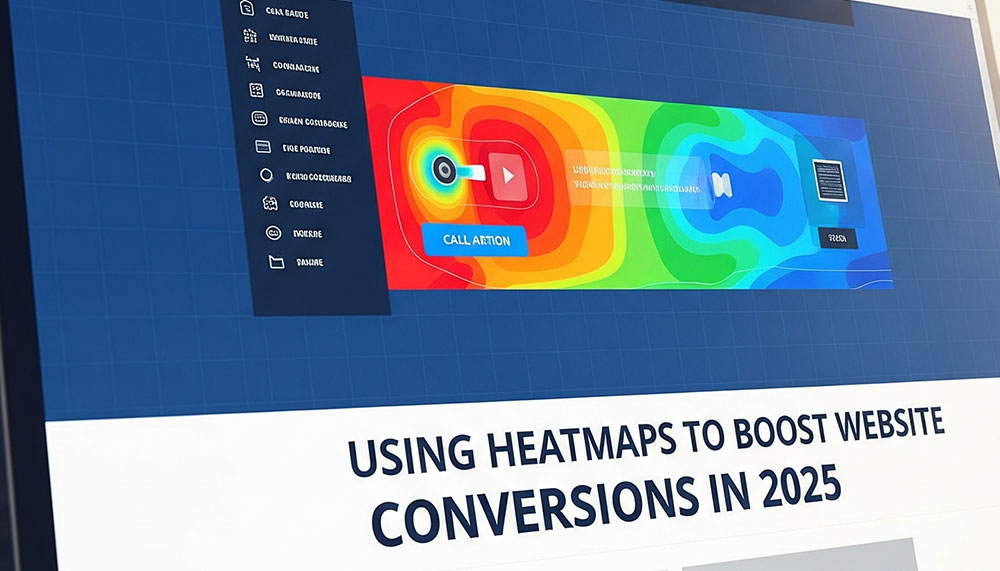
Using Heatmaps to Improve Website Conversions
Imagine this: you own a physical store. You’re standing behind the counter, but instead of just watching customers wander around, you suddenly have superpowers. You can see exactly which shelves people walk straight to, which products they pick up, hold, and admire, and which ones they glance at for half a second before moving on. You’d know if your new display by the entrance is a hit or if that product you thought would sell like hotcakes is actually gathering dust.
Now, think about how much easier it would be to improve your store layout with that knowledge. You could move the bestsellers to prime spots, give more attention to products people hesitate over, and stop wasting valuable space on items no one cares about. Pretty powerful, right?
Well, that’s essentially what heatmaps do for your website. They give you that same “superpower,” but in the digital world. A heatmap is like having a behind-the-scenes look at your visitors’ behavior—what grabs their attention, where they pause, what they click on, and what they completely ignore.
And here’s the best part: instead of scratching your head and wondering, “Why are people leaving without buying?” you finally get clear, visual answers. Heatmaps let you see, not just assume, what’s working and what isn’t.
So, rather than guessing or endlessly tweaking things at random, you can make smarter, data-backed changes that actually move the needle.
Let’s break it down and explore how heatmaps work—and more importantly, how you can use them to turn curious visitors into loyal customers.
What Exactly Is a Heatmap?
Think of a heatmap as your website’s mood ring—but instead of showing emotions, it shows how your visitors behave.
Here’s how it works: heatmaps take all the clicks, scrolls, and mouse movements happening on your site and turn them into a colorful picture. The “hot” areas—glowing in shades of red, orange, or yellow—are the spots where people are most engaged. Maybe it’s a button they can’t resist clicking, a headline that catches their eye, or an image that pulls them in.
On the flip side, the “cold” areas—usually in blue—are the forgotten corners of your site, the places where visitors hardly stop, scroll, or interact.
In other words, a heatmap is like shining a spotlight on what’s working and leaving the rest in the shadows. Instead of guessing, you can clearly see:
- Where people click the most
- How far they scroll before losing interest
- Where their mouse tends to hover
It’s simple, visual, and super intuitive. With just a glance, you’ll know what’s stealing attention and what’s being ignored—no spreadsheets or confusing analytics dashboards required.
For example, imagine you run an online store and notice everyone is clicking the “Add to Cart” button but completely skipping the “Shipping Info” section. That’s a clear sign you might need to make shipping details more visible—or maybe customers find them confusing. Without a heatmap, you’d be left guessing. With one, the answer is right in front of you.
Why Heatmaps Are Game-Changers for Conversions
Let’s be real—most business owners and marketers are constantly tweaking things on their websites. You move a button here, change a headline there, maybe even redesign a whole page… but half the time, you’re guessing. You think you know what visitors care about, but the data says otherwise.
That’s where heatmaps flip the script. Instead of stabbing in the dark, you get a front-row seat to your visitors’ behavior.
Here’s why they’re a total game-changer:
Spot Missed Opportunities
Ever seen visitors click an image that doesn’t do anything? Or try to highlight text that isn’t linked? Heatmaps expose those hidden clues. If people expect something to be clickable, it’s a chance to add a link, button, or call-to-action you didn’t realize was missing. It’s like discovering money left on the table.
Understand Drop-Off Points
Scroll heatmaps are brutally honest. They show exactly where people lose interest. Imagine placing your big, shiny “Buy Now” button at the bottom of the page—only to find out that 70% of visitors never even scroll that far. Ouch. With heatmaps, you’ll know where attention drops off and can move key elements higher up.
Optimize CTAs for More Clicks
If your call-to-action isn’t getting love, don’t just blame the copy. A heatmap might reveal that it’s blending in with other elements, sitting in the wrong spot, or buried under distractions. Small tweaks—like changing the placement or color—can suddenly make that button irresistible.
Test Layouts with Real Data
A/B testing is useful, but it only tells you which version performs better, not why. Heatmaps fill in the blanks. They let you see the behavior behind the numbers—why people click one design over another. It’s like having X-ray vision for your A/B tests.
Boost User Experience (UX)
At the end of the day, people stick around when your site feels natural and easy to use. Heatmaps help you design around real habits. Instead of forcing users into your flow, you adapt to theirs—and that’s when conversions skyrocket.
Think of it this way: instead of guessing what aisle in your store people like, you’re literally watching them walk through it. No surveys, no assumptions—just clear, visual proof of what matters most.
Types of Heatmaps You Should Use
Not all heatmaps are the same—each type gives you a different kind of insight. Think of them like different lenses on a camera: one zooms in on clicks, another on scrolling, and another on eye movement. Together, they give you the full picture of how visitors interact with your site.
Here are the big ones you’ll want to know about:
Click Heatmaps
These are probably the most popular type. They show you exactly where users are clicking—whether that’s a button, an image, a link, or even something you didn’t expect them to click. Want to know if your CTA button is really catching attention? A click heatmap will spill the truth. Sometimes, you’ll even discover users are obsessively clicking something that isn’t clickable, which is a golden opportunity to make a change.
Scroll Heatmaps
Ever wonder how far people actually scroll on your page before they bail? Scroll heatmaps reveal that story. They’re perfect for blogs, landing pages, and long sales pages where you need to know if your message is being read—or if most people drop off halfway. If your CTA is at the bottom and heatmaps show only 25% of users make it there, you instantly know why conversions are low.
Move Heatmaps
These track mouse movements and hovering behavior. Now, while a moving cursor isn’t exactly the same as eye movement, it’s often a pretty close indicator of where people’s attention goes. If visitors keep hovering over a product description but don’t click “Buy,” that’s a sign you may need a stronger CTA or better copy in that area.
Eye-Tracking Heatmaps (Advanced)
This one takes things to the next level. Instead of just clicks and scrolls, eye-tracking shows you where people are actually looking on your site. It’s super powerful for testing layouts, headlines, and images—especially if you’re serious about conversions. The downside? It usually requires special tools and isn’t as easy (or affordable) as the others. But if you can get your hands on it, the insights are worth it.
The bottom line? Each type of heatmap answers a different question. Use them together, and you’ll uncover the real story behind how people interact with your site.
Practical Ways to Use Heatmaps for Higher Conversions
Okay, so you’ve got your heatmaps running. Now what? The real magic happens when you take those colorful insights and turn them into action. Here are some practical, tried-and-true ways to use heatmaps to boost conversions on your site:
Fix CTA Placement
Imagine putting up a big sign in your store, but placing it in the basement where hardly anyone goes—that’s what happens when your CTA is buried at the bottom of your page. A scroll heatmap shows you exactly how far visitors are scrolling, so if most of them never make it down, simply move your “Buy Now” or “Sign Up” button higher. Sometimes, shifting a CTA just a few scrolls up can completely change your conversion numbers.
Clean Up Distractions
Click heatmaps are great at exposing the “shiny objects” stealing attention from your main goal. Maybe visitors keep clicking on an image that isn’t linked or on a menu item that doesn’t matter. Every unnecessary click is a lost conversion. By removing or minimizing these distractions, you can guide users straight to the action you want them to take.
Improve Form Completion
Forms are one of the biggest conversion killers when not optimized. If you notice users consistently dropping off midway through a form, heatmaps can show you the exact field causing friction. Maybe it’s too long, maybe it asks for unnecessary info, or maybe the layout feels overwhelming. By simplifying, reordering, or even removing fields, you can smooth the path and see more completions.
Optimize Content Layout
If your scroll heatmap shows a lot of visitors stopping mid-page, that’s a red flag that your content isn’t holding attention. This is where better storytelling, sharper headlines, or even adding visuals can work wonders. Think of your page as a conversation—if people are walking away halfway through, it’s time to rethink how you’re talking to them.
Enhance Mobile Experience
Here’s the thing: mobile visitors don’t behave the same way as desktop users. Small screens, thumbs instead of cursors, and different navigation habits mean your design has to work twice as hard. Heatmaps let you compare mobile vs. desktop behavior. Maybe that button looks fine on desktop but is impossible to tap on a phone. Fixing these small but critical issues can massively improve conversions from mobile traffic.
The takeaway? Heatmaps don’t just give you data—they give you direction. By acting on what you learn, you make your site more intuitive, less frustrating, and far more likely to convert visitors into customers.
Best Tools for Heatmaps
So you’re ready to dive in and actually see what your visitors are doing? Great—because the right tool makes all the difference. Here are some of the most popular (and beginner-friendly) heatmap tools you can start using today:
Hotjar – The go-to choice for many marketers and business owners. It’s super easy to set up and comes with click, scroll, and move heatmaps. Bonus: you also get session recordings to watch real user journeys play out.
Crazy Egg – A classic in the conversion toolkit. Along with heatmaps, it offers session replays and even A/B testing so you can experiment with different layouts and instantly see what performs better.
Microsoft Clarity – Want something powerful and free? Clarity gives you heatmaps, behavior analytics, and detailed session recordings without costing a dime. Perfect if you’re just starting out or running on a budget.
Lucky Orange – More than just heatmaps. It combines user tracking with live chat, conversion funnels, and polls, so you can both see what’s happening and talk to visitors in real-time.
Quick Comparison: Best Heatmap Tools at a Glance
| Tool | Best For | Key Features | Pricing |
| Hotjar | Beginners & small businesses | Click, scroll, move heatmaps + recordings | Free plan + Paid from ~$39/mo |
| Crazy Egg | Marketers testing layouts | Heatmaps, A/B testing, session replays | Paid plans from ~$29/mo |
| Microsoft Clarity | Anyone on a budget | Heatmaps, behavior analytics, recordings | 100% Free |
| Lucky Orange | Businesses wanting all-in-one tools | Heatmaps, live chat, conversion funnels | Paid plans from ~$39/mo |
Pro tip: Start with Clarity if you’re new and just want to test the waters for free. Once you’re hooked on the insights, tools like Hotjar or Lucky Orange give you more advanced features to scale.
Heatmaps + Analytics = Conversion Powerhouse
Here’s the truth: heatmaps alone show you what’s happening, but not always the full story. Traditional analytics tells you the numbers — heatmaps reveal the why. Put them together, and you’ve got a conversion superpower.
- Google Analytics (GA4): Use it to spot where visitors are dropping off. Example: maybe 70% of people abandon your checkout at Step 2.
- Heatmaps: Now dig deeper. Are users ignoring the “Next” button? Is it buried too low? Too small? Competing with other elements?
Think of it like this:
- Analytics = the doctor’s test results (what’s wrong)
- Heatmaps = the X-ray (where and why it’s happening)
When you combine the two, you don’t just see problems — you know exactly how to fix them. That’s how smart businesses boost conversions without wasting months guessing.
Example:
- GA4 shows a high bounce rate on your landing page.
- Your scroll heatmap shows users stop halfway because the headline isn’t strong enough.
- Fix the headline, move the CTA higher, and bounce rate drops while conversions climb.
Takeaway: Numbers tell you what’s broken, visuals show you why it’s broken — and together, they give you the blueprint to fix it fast.
Final Word
Heatmaps take the mystery out of conversion optimization. No more scratching your head wondering, “Why aren’t people clicking?” — the answers are right there in front of you, visual and undeniable.
By seeing how visitors truly interact with your site — where they click, where they stop scrolling, and what grabs (or loses) their attention — you get the clarity to make smart changes. Move CTAs to the right spot, cut out distractions, streamline forms, and create a browsing experience that feels effortless.
At the end of the day, that’s the real power of heatmaps: turning insights into action, and clicks into customers.

Micro-Influencer Marketing for Small Businesses: How to Grow Your Brand Authentically
Let’s be honest—getting noticed as a small business these days isn’t easy. The digital world is packed with brands shouting for attention, and traditional advertising? It can cost a small fortune with no guaranteed results. Even social media campaigns that aim for the masses often miss the people who actually care about what you offer.
That’s where micro-influencer marketing comes in like a secret weapon. It’s affordable, authentic, and laser-focused on the audience that matters most—people who are genuinely interested in your products or services.
So, who are these micro-influencers? Think of them as social media creators with smaller, highly engaged followings—usually between 1,000 and 100,000 people. Unlike celebrity influencers who might feel distant or unattainable, micro-influencers build tight-knit communities around specific interests or niches. Their followers trust them, value their opinions, and often act on their recommendations.
For a small business, that trust is gold. It’s not just about likes or comments—it’s about real engagement, meaningful leads, and sales that actually make a difference. In short, micro-influencers give your brand a voice in the places that matter most, without blowing your budget.
Why Micro-Influencer Marketing Works for Small Businesses
You might be wondering—why should a small business even bother with micro-influencers? The answer is simple: because it works. And it works in ways that traditional advertising often can’t match.
1. Authenticity That Builds Trust
People are tired of seeing generic ads. They want real recommendations from real people. That’s exactly what micro-influencers offer. Their followers see them as friends or mentors, not just content creators. When a micro-influencer talks about your product, it feels genuine—and genuine recommendations convert better.
2. Reach the Right People
Micro-influencers are often niche experts—whether that’s fitness, beauty, tech, food, or eco-friendly living. That means you’re not just shouting into the void; you’re speaking directly to the people who care about what you offer. For small businesses, this targeted approach is pure gold.
3. Higher Engagement Rates
Here’s a surprising fact: smaller audiences often interact more! Micro-influencers may have fewer followers, but their community is active. Likes, comments, and shares happen naturally, which gives your brand more visibility and interaction than a giant following that barely engages.
4. Affordable and Flexible
Big-name influencers can charge a fortune, but micro-influencers are often much more budget-friendly. Many even collaborate in exchange for free products or experiences. This makes micro-influencer marketing accessible for small businesses without burning through your marketing budget.
In short, micro-influencers combine trust, engagement, and affordability—the perfect trifecta for small businesses looking to grow online. It’s not about going big; it’s about being smart and connecting with the right audience in a meaningful way.
How to Find the Right Micro-Influencers
Finding the perfect micro-influencer isn’t just about scrolling through Instagram and picking someone with a decent follower count. The goal is to partner with people whose audience actually cares about your brand. Here’s how to do it right:
1. Start With Your Goals
Before you even begin searching, ask yourself: What do I want from this collaboration? Are you trying to boost sales, grow brand awareness, or gain more social media followers? Knowing your goals will help you narrow down influencers who can deliver the results you need.
2. Dive Into Your Niche
Look for influencers who already create content in your industry. For example, a local coffee shop might collaborate with a food blogger, while a boutique skincare brand could team up with beauty enthusiasts. There are plenty of discovery tools, from Instagram’s search function to influencer marketing platforms, that make this step easier.
3. Don’t Just Count Followers
A big following doesn’t always mean big results. Engagement matters more. Check the likes, comments, and shares on their posts. Are followers actively interacting? Are the conversations meaningful? Micro-influencers with smaller but engaged communities often drive better results than massive accounts with passive audiences.
4. Look for Authenticity
Scan through their past collaborations. Do they genuinely connect with their audience, or do their sponsored posts feel forced? Authentic influencers create content that resonates, and that’s what will make your partnership effective.
By taking the time to find the right micro-influencers, you’re setting your small business up for a partnership that feels natural, reaches the right audience, and drives meaningful engagement.
Best Practices for Collaborating With Micro-Influencers
Partnering with micro-influencers can be incredibly rewarding, but it’s not just about sending free products and hoping for the best. To get real results, you need a strategy that balances creativity, clarity, and collaboration. Here’s how small businesses can make the most of their influencer partnerships:
1. Build Relationships First
Don’t treat influencers like a transaction. Take the time to engage with their content—like, comment, and share their posts. When you approach them after showing genuine interest, your pitch feels personal, and influencers are more likely to collaborate enthusiastically.
2. Give Creative Freedom
Micro-influencers know their audience better than anyone else. While you may have specific goals or messages, let them communicate in their own voice. Authentic content resonates far more than something scripted or forced. Trust them—they’ve built their credibility for a reason!
3. Set Clear Expectations
Creative freedom doesn’t mean leaving everything vague. Outline campaign goals, timelines, deliverables, and any guidelines clearly from the start. A simple agreement keeps both parties aligned and avoids misunderstandings down the road.
4. Track Performance
Use trackable links, promo codes, or unique hashtags to measure the impact of each collaboration. This helps you understand what’s working, what’s not, and which influencers are driving real results. Over time, this data becomes invaluable for refining future campaigns.
By following these best practices, small businesses can create authentic, high-impact collaborations that don’t just look good—they convert. Remember, the magic of micro-influencer marketing is in genuine connections, both with influencers and their audience.
Examples of Small Business Success With Micro-Influencer Marketing
Sometimes, seeing real-world examples makes it crystal clear why micro-influencer marketing works. Small businesses across industries have leveraged these partnerships to create big results—without massive budgets.
-
Local Bakery Boosts Foot Traffic: A small neighborhood bakery partnered with a food blogger with just 15,000 followers. The blogger’s mouth-watering posts drove a surge of foot traffic, resulting in a 40% increase in orders within a month.
-
Boutique Skincare Brand Triples Online Sales: By collaborating with several beauty micro-influencers, this small brand saw authentic product reviews shared with highly engaged followers. The result? Online sales tripled in just one quarter.
-
Fitness Studio Gains a Loyal Following: A local yoga studio worked with micro-influencers in the wellness niche. Their followers joined classes and shared experiences, building a strong, loyal community and increasing memberships.
These examples prove that you don’t need a huge budget or celebrity influencer to make a meaningful impact. Micro-influencers bring authenticity, engagement, and results to small businesses that traditional advertising often can’t.
Conclusion
Micro-influencer marketing is more than just a trendy buzzword—it’s a powerful, practical strategy for small businesses looking to grow online. By partnering with influencers who genuinely align with your brand, you can reach the right audience, build trust, and drive real results.
The key is to focus on authenticity, engagement, and relationships. Give influencers creative freedom, track your results, and prioritize partnerships that feel natural rather than forced. With careful planning and thoughtful collaboration, micro-influencer marketing can help your small business stand out, grow, and thrive in today’s crowded digital landscape.
Remember, it’s not about going big—it’s about going smart. Micro-influencers allow small businesses to connect meaningfully, one authentic recommendation at a time.
Are You Struggling to Manage Multiple Digital Marketing Campaigns? ICO WebTech Can Streamline Your Efforts
If you’re a business owner or marketing manager, your day probably looks something like this:
You’re checking Google Ads performance over your morning coffee, responding to Instagram DMs while juggling emails from your SEO team, and somehow trying to approve a LinkedIn campaign before lunch. By the time you’re halfway through your day, you’ve jumped between five platforms, three tools, two deadlines—and still haven’t figured out if anything is actually working.
You’ve got a spreadsheet for every campaign. Reports from every angle. And a hundred tabs open—both in your browser and your brain.
One moment you’re boosting a post on Facebook, the next you’re questioning why your Google Ads budget spiked overnight. Meanwhile, your email campaign is halfway done, and you’re wondering if your brand voice still sounds the same across platforms.
The result?
-
Mixed messages
-
Overlapping efforts
-
Wasted time
-
And a growing feeling that you’re running just to stay in place
Sound familiar?
You’re not alone—and you’re definitely not the only one feeling like you need another you just to keep up.
The good news? You don’t need to clone yourself. You just need a better system—and the right team to manage it.
The Real Struggle of Managing Multiple Campaigns
Let’s be honest—running a business is already a job and a half. Now toss in the demands of digital marketing and you’ve got yourself a full-blown circus.
One minute you’re wearing the CEO hat, the next you’re knee-deep in ad metrics, keyword reports, and social media scheduling tools. Each platform—Google Ads, Facebook, Instagram, LinkedIn, email marketing—wants your time, your money, and your undivided attention. And they all speak a different language.
Managing multiple campaigns across different channels sounds good in theory—until you realize it means bouncing between dashboards, tracking a dozen KPIs, and trying to make sure your brand doesn’t sound like it has a split personality.
Here’s what most businesses run into:
Inconsistent Messaging
Your Google Ads say one thing, your Instagram captions say another, and your email subject lines feel like they came from a different planet. When different teams or vendors handle different platforms, the brand voice can slip through the cracks—leaving your audience confused or, worse, disconnected.
Time Drain
Switching from one platform to another, digging through dashboards, coordinating with multiple teams… it adds up. Before you know it, your entire week’s gone, and you’ve barely had time to focus on strategy—or your customers.
Scattered Analytics
With reports coming in from every direction, it’s hard to get a clear answer to the most important question: “Is this actually working?” You’re stuck piecing together insights like a marketing jigsaw puzzle—except half the pieces are missing.
Wasted Ad Spend
When platforms operate in silos, you risk showing the same ad to the same person five times—or worse, sending mixed messages that cancel each other out. And when campaigns aren’t aligned, your budget starts leaking faster than you can patch it.
In short?
The more channels you try to manage alone, the easier it becomes to lose control. You end up working harder for half the results, always reacting, rarely optimizing—and constantly feeling like you’re playing catch-up.
But here’s the good news: it doesn’t have to be this way.
The ICO WebTech Solution: Unified, Integrated Digital Marketing
We get it—because we’ve been there. At ICO WebTech, we’ve worked with businesses who felt like they were drowning in dashboards, ad reports, and missed opportunities. They had all the tools, all the platforms, all the potential—but no connection between them.
Sound familiar?
That’s exactly why we built a better way to do digital marketing—one that’s unified, strategic, and actually makes sense.
Instead of treating each marketing channel like a separate island, we bring everything together under one smart, scalable system. Think of it like having a fully aligned marketing team in one room, speaking the same language, working toward the same goal: your growth.
Here’s what that actually looks like in action:
-
All Channels, One Roof
Google Ads, Meta (Facebook and Instagram), LinkedIn, SEO—we manage it all. No more chasing multiple vendors or juggling disconnected strategies. Everything lives in one streamlined system. -
Messaging That Stays on Point
From ad copy to landing pages, your brand voice stays consistent across platforms. No matter where your audience finds you, they’ll hear the same clear, confident message. -
A Dashboard You’ll Actually Understand
Tired of spreadsheets and guesswork? We give you a centralized, easy-to-read performance view so you can track what matters—and ditch what doesn’t. -
A Team That Gets You
We don’t just know digital—we take time to know you. Your brand, your audience, your market. We’re not here to spend your budget. We’re here to make it work smarter. -
Campaigns That Work Together
Your SEO builds long-term traction. Your ads generate immediate results. Your social media drives engagement. Every piece is designed to support the others, not compete for attention.
At ICO WebTech, we don’t do random acts of marketing. We build connected strategies that drive real growth—without the chaos, the confusion, or the constant firefighting.
Because when your marketing is aligned, your business moves faster, smarter, and stronger.
Case Study: From Chaos to Clarity – How One Dental Brand Found Its Marketing Rhythm
Let’s rewind to a few months ago.
A fast-growing dental clinic chain in Australia came to us feeling overwhelmed. They were doing all the right things—running Google Ads, boosting posts on Facebook, occasionally showing up on Instagram, and recently started SEO with another agency. On paper, it looked like they were covering their digital bases.
But under the surface? Total chaos.
Campaigns weren’t aligned. Their Google Ads were chasing one goal, Facebook was targeting another audience, and SEO felt like it was running in its own little world. Leads came in sporadically, and the clinic’s owner confessed something we hear far too often:
“We’re spending a lot—but honestly, I don’t know what’s actually working.”
They weren’t short on effort. What they lacked was clarity—and cohesion.
What We Did Differently
Step 1: Audit & Strategy Realignment
We didn’t just jump into action. We started by taking a step back and mapping out everything—ad campaigns, social posts, SEO activities, landing pages, analytics. We identified gaps, overlaps, and missed opportunities. Then, we built a strategy where every platform served a specific role in the customer journey—from first impression to final booking.
Step 2: Integrated Campaign Setup
We repositioned their Google Ads to target high-intent searchers—people actively looking for dental services. Meanwhile, Facebook and Instagram were redesigned to create local brand awareness and trust. SEO efforts were focused on evergreen content and location-based keywords to attract long-term organic traffic. Most importantly, everything was linked and monitored from a single place.
Step 3: Smart Retargeting
Instead of letting potential patients slip away, we implemented cross-channel retargeting. If someone clicked on a Google Ad but didn’t book, they saw friendly, reassuring Facebook and Instagram ads reminding them why this clinic was the right choice. Every landing page they landed on was custom-built to keep the message consistent and the path to booking crystal clear.
Step 4: Weekly Reports & Agile Tweaks
We didn’t just hand over a dashboard and walk away. We had weekly check-ins to analyze performance, tweak the messaging, shift budgets, and test new ideas. The clinic always knew what was happening and why.
The Results: Tangible Growth in Just 3 Months
-
43% increase in lead volume
-
29% decrease in cost per lead
-
Predictable, month-over-month growth across all platforms
-
A unified performance dashboard that replaced guesswork with clarity
The biggest win?
“It finally feels like all the pieces are working together,” the clinic owner said.
“I’m not chasing updates from three different people anymore. I actually feel in control again.”
That’s the power of a unified marketing approach—not just more leads, but less stress, better clarity, and real business momentum.
And your business could be next.
Why Choose ICO WebTech?
Let’s face it—there are a lot of digital marketing agencies out there promising “more traffic” or “better ROI.” But at ICO WebTech, we’re not just chasing numbers. We’re building partnerships. The kind where your wins feel like our wins, and your growth is our shared mission.
We don’t believe in one-size-fits-all campaigns or throwing spaghetti at the wall to see what sticks. We believe in smart, strategic marketing that’s rooted in clarity, consistency, and conversion.
Here’s what sets us apart:
15+ Years of Real-World Experience
We’ve been in this game long enough to know what works—and what’s just noise. From the early days of SEO to today’s AI-powered ads, we’ve evolved with the industry and stayed ahead of the curve. Whether it’s Google Ads, Meta campaigns, or full-funnel marketing, we bring seasoned expertise to the table.
Dashboards That Make Sense
No more digging through complex reports or asking five different people for updates. We give you clean, clear dashboards that show exactly what’s happening—so you can make confident, informed decisions without the guesswork.
One Team, One Voice, One Strategy
Tired of chasing freelancers, agencies, and vendors who barely talk to each other? With us, you get one dedicated team that manages your entire digital ecosystem. Everything is aligned—your messaging, your strategy, your goals.
Tailored Strategies, Not Templates
Your business isn’t a cookie-cutter operation, so your marketing shouldn’t be either. We take the time to understand your industry, your audience, and your unique strengths. Then we build a strategy that actually fits—like a custom-made suit.
At ICO WebTech, we don’t just market your brand—we amplify it with focus, consistency, and strategy. Whether you’re scaling up or starting fresh, we’re the partner who helps you move forward—smarter, faster, and with total confidence.
Ready to Bring Clarity to Your Campaigns?
If you’re tired of the marketing chaos and want a simpler, smarter way to grow—ICO WebTech is here to help.
Let’s turn that scattered energy into focused results.
Contact Us today and see how we can streamline your digital marketing efforts.

The Indian Advantage: How Smart Businesses Win Big with Full-Stack SEO, Web Development & Content Marketing
When you’re building a digital presence, trying to manage separate teams for SEO, web development, and content is like juggling flaming swords while walking a tightrope—blindfolded. Things get messy, fast. Communication breaks down. Timelines stretch. Budgets balloon. And your brand? It ends up sounding like five different people trying to tell the same story in five different languages.
The end result? A website that looks good but can’t be found. Content that sounds great but doesn’t convert. And SEO that’s technically perfect—but completely disconnected from your message.
That’s exactly why so many smart businesses—from fast-moving startups to global brands—are turning to full-service digital agencies in India. These teams don’t just offer one piece of the puzzle. They bring everything together: SEO, web design, development, and content marketing—under one roof, with one strategy, and one goal: your growth.
And it’s not just about convenience. It’s about results. When your digital presence is built by a cohesive team, everything works better. Your site ranks faster. Visitors stay longer. Conversions increase. You’re not stuck fixing one problem after another—you’re moving forward, backed by a team that sees the big picture.
This is the Indian Advantage.
It’s not just about outsourcing. It’s about leveling up with teams that are talented, agile, and globally savvy. Indian agencies have become known for delivering world-class digital experiences—with speed, creativity, and cost-efficiency that’s hard to beat.
Whether you’re launching a new product, scaling an eCommerce store, or trying to outrank competitors in your niche, teaming up with a full-stack SEO company in India might just be the smartest move you make this year.
More Than Just Keywords: A Full-Stack Approach That Actually Works
Let’s be honest—SEO is no longer just about stuffing keywords into meta tags and hoping Google notices. That outdated approach might have worked a decade ago, but today’s digital world demands more. Much more.
That’s why the modern SEO company in India doesn’t stop at basic optimization. Instead, they’re building comprehensive strategies that combine SEO with web development, content marketing, and technical excellence. It’s a full-stack approach designed to deliver real business results—not just vanity metrics.
Here’s how they do it:
-
They design and develop fast, mobile-friendly, SEO-ready websites that look great and perform even better. From day one, these sites are built with ranking factors and user experience in mind.
-
They create meaningful, SEO-driven content that does more than fill space. Every blog post, product description, or landing page is tailored to engage real people and rank for real search intent.
-
On the technical side, they dive deep—fixing crawl issues, speeding up load times, implementing schema markup, and structuring URLs—ensuring that Google and other search engines can navigate and prioritize your site with ease.
-
And most importantly, they don’t just chase traffic—they convert it. Through a combination of smart UX decisions, clear calls to action, and ongoing optimization, they help turn clicks into customers.
This isn’t just about hiring an SEO expert. It’s about partnering with a complete digital growth team—an SEO strategist who knows your market, a developer who understands site performance, a designer who makes things beautiful and functional, a content creator who speaks your audience’s language, and a project manager who brings it all together seamlessly.
No chaos. No confusion. Just one aligned team, working together to grow your brand from every angle.
That’s not traditional SEO. That’s next-level digital strategy—and it’s what sets Indian agencies apart.
Why SEO, Development, and Content Work Better Together
Imagine your website as a house.
SEO is the foundation—it determines whether your house stands tall in a crowded neighborhood or gets lost down a side alley. It’s what makes your site discoverable in the vast world of Google search. Without it, even the most beautiful website can end up invisible.
Web development is the structure—the beams, walls, and wiring. It’s the clean code, the fast load times, the smooth mobile experience. It’s what makes your website not just functional, but frictionless. If the tech isn’t right, users will leave before they even step through the door.
Content is what brings the space to life. It’s the furniture, the art, the warmth. It tells your story. It sets the tone. It turns a website into a brand experience. When done right, it doesn’t just inform—it connects.
Now, here’s the important part: if these elements are built separately—by different teams with different priorities—you end up with a house that might stand, but it won’t feel like home. Pages take too long to load, blog posts don’t support your rankings, and users can’t find what they’re looking for.
But when SEO, development, and content are planned and executed together, the result is seamless. Everything clicks. The site is technically sound, visually appealing, and emotionally engaging. Users stay longer, convert faster, and remember your brand.
And here’s where the Indian digital advantage really kicks in.
Agencies in India have become experts at this kind of integration. They don’t treat SEO, dev, and content as separate checkboxes—they treat them as connected pillars of your digital success. The strategist sits with the developer. The content writer works from the SEO brief. The designer builds with intent. It’s all part of the same playbook.
The outcome? A website that doesn’t just exist online—it performs, engages, and grows your business.
That’s the power of working with a team that knows how to bring everything together from day one. That’s the power of full-stack digital done right.
What Really Sets Indian Agencies Apart?
Let’s cut through the noise: the biggest draw of working with an SEO company in India isn’t just affordability. Sure, the pricing is competitive—but that’s only part of the story.
The real value? It’s in the people—their adaptability, global perspective, technical brilliance, and genuine commitment to helping your business grow.
Indian digital agencies have spent the last decade evolving into powerhouses of global collaboration. They’ve worked across time zones, industries, and platforms. Whether it’s a startup in San Francisco, a retail brand in London, or a wellness company in Sydney—they’ve been there, done that, and delivered real results.
What truly sets them apart?
-
They’re platform-agnostic but tool-savvy—comfortable working with WordPress, Shopify, Webflow, SEMrush, GA4, and whatever else your tech stack throws at them. From design to analytics, they’ve got it covered.
-
They believe in clear, honest communication. You won’t be stuck wondering what’s going on or chasing down updates. Expect regular check-ins, performance reports, and a team that’s always just a message away.
-
They’re not just executors—they’re strategic partners. Whether you need to rethink your site architecture, pivot your content strategy, or gear up for a Google algorithm update, they’ve got the expertise and foresight to guide you.
And yes, all of this comes at a fraction of the cost you’d pay in Western markets—without compromising on quality, creativity, or accountability.
But maybe the biggest benefit? These teams are in it for the long haul. They understand your goals, adapt to your culture, and grow with your brand. It’s not just outsourcing—it’s building a flexible, skilled extension of your in-house team.
That’s the kind of value that goes way beyond budgets. That’s the Indian Advantage, in action.
The Real ROI: Why Integrated Teams Deliver Better Results
Let’s talk about what really matters—results.
You’re not investing in SEO, web development, and content marketing just to tick boxes. You’re doing it to grow your business. To get seen. To connect with your audience. To turn clicks into conversions, and visits into revenue.
And that’s exactly what happens when all these moving parts are handled by one integrated team.
No hand-offs. No miscommunication. No delays.
Just a focused group of experts, working side-by-side with a single goal: making your digital presence stronger, faster, and more profitable.
Here’s how it plays out in the real world:
-
Your site ranks faster, because SEO is baked into the code, the structure, and the content from the very beginning—not bolted on as an afterthought.
-
Visitors stay longer and explore more, because the design feels intuitive and the content speaks directly to their needs, interests, and intent.
-
Most importantly, conversions go up—whether that means purchases, sign-ups, inquiries, or bookings—because the user journey is smooth, intentional, and aligned from end to end.
This isn’t just theory—it’s what businesses experience when they work with a full-stack SEO company in India that brings strategy, design, development, and content together under one roof.
You’re not wasting time managing five different freelancers or agencies. You’re not burning through budgets trying to fix disconnects between teams.
Instead, you get a cohesive, streamlined digital machine that’s built to perform—and built to scale with you.
More traffic. Better engagement. Higher ROI. Less stress.
That’s not wishful thinking. That’s the power of integration. That’s the Indian Advantage in action.
What to Look for in a Full-Service SEO Company in India
So, you’re convinced. You want the Indian Advantage. But how do you find the right team—the one that can actually deliver?
Not all agencies are created equal, and when you’re trusting someone with your digital growth, it pays to be picky. The good news? The best full-service SEO companies in India don’t just talk the talk—they show it in everything they do.
Here’s what to look for:
-
A real portfolio that tells a story. Don’t settle for pretty screens. Look for websites where design, SEO, and content clearly work in harmony—sites that load fast, read well, rank high, and feel cohesive.
-
Specialists who own their craft. A solid team isn’t made up of jack-of-all-trades. It includes dedicated SEO strategists, sharp developers, UX/UI designers, skilled content writers, and project managers who keep it all on track. Each person plays their part to deliver something bigger than the sum of its parts.
-
Proof over promises. Ask for data-backed results and real case studies. How did they improve traffic? What kind of ROI did they generate? The right agency won’t shy away from showing their work—and the outcomes.
-
A process that makes sense. Great work isn’t magic—it’s method. Look for agencies that walk you through their process clearly. From discovery and strategy to execution and reporting, you should know what’s happening, when it’s happening, and why.
-
Communication that feels human. You want a team that talks to you like a partner, not a ticket number. Regular updates. Clear answers. No tech jargon or vague timelines—just open, honest collaboration.
Finding the right agency can feel overwhelming, but once you connect with a team that truly understands the full picture—SEO, dev, content, and brand—you’ll know you’re in good hands.
Because the right full-service SEO company in India doesn’t just build websites. They build relationships. And they grow with you.
Final Thoughts: Simplify, Scale, and Succeed
Let’s be real—running a business is already complex enough. Deadlines, team management, customer expectations, budgets… the last thing you need is a tangled web of different agencies managing your website, SEO, and content, all pulling in different directions.
Your digital strategy shouldn’t add to the chaos—it should cut through it.
That’s where partnering with a full-stack SEO company in India changes everything. You’re not just ticking off SEO as a to-do. You’re investing in a unified, long-term digital growth strategy—one that blends performance with creativity, and speed with substance.
It’s not just about outsourcing. It’s about building a partnership—with people who understand your goals, your market, and the bigger picture. People who combine technical skills, strategic thinking, and a deep sense of ownership over your success.
The result?
A website that ranks faster.
Content that connects.
A digital presence that grows with you—not against you.
So, if you’re tired of playing project manager across four different agencies, or watching your growth inch forward when it should be leaping—maybe it’s time for something better.
Maybe it’s time to simplify your strategy, scale your results, and succeed with a team that brings it all together.
Maybe it’s time to go full-stack with India.

Lead Generation 101: Guide, Tips and Trends
Lead Generation: Turning interest into sales.
Mastering the fundamentals of lead generation helps you transform interest into conversions.
Ever wondered why some businesses seem to attract the right customers effortlessly while others struggle to get a response? The secret lies in lead generation—the process of finding people genuinely interested in what you offer and guiding them toward making a purchase.
Whether you’re a B2B or B2C company, lead generation is the foundation of your growth. Let’s break it down and make it simple.
Here’s what you need to know.
Table of contents
- What is lead generation?
- What are the most effective lead-generation strategies?
- How do lead qualification and nurturing work?
- What are some methods for nurturing leads?
- How does lead generation work?
- How to improve your lead generation?
- What are the current trends in lead generation?
- How do you measure the success of your lead gen strategy?
- What are the best practices for lead generation?
What is lead generation?
Lead generation is the process of attracting and nurturing potential customers, and guiding them toward making a purchase. It’s the foundation of any successful sales and marketing strategy, ensuring businesses engage the right audience, build relationships, and drive conversions.
Imagine you’re running a cybersecurity company. You create a free risk assessment tool, and IT managers from different companies sign up to use it. In exchange, they provide their contact information.
That’s lead generation in action!
You’ve found people who have a real problem—cybersecurity risks—and now you have a chance to help them while gradually introducing your solution.
Lead generation isn’t about bombarding strangers with sales pitches. It’s about:
✅ Attracting the right audience
✅ Offering something valuable
✅ Building relationships before making the sale
Why lead generation matters
Lead generation helps streamline the sales cycle by focusing on high-value prospects. Since many enterprise solutions involve complex decision-making and high costs, businesses can’t rely on direct purchases alone. Instead, they capture leads—potential buyers who have expressed interest—and nurture them until they are ready to convert.
For example, a cybersecurity firm might offer a free threat assessment tool in exchange for an IT director’s email address. This lead is then nurtured with targeted emails and webinars until they’re ready for a full demo.
Types of leads
Not all leads are the same. Understanding the different types can help businesses prioritize and refine their marketing strategies.
🔹 Qualified lead
A prospect who has shown genuine interest and is likely to convert.
✅ Example: A CFO downloads a financial planning guide from an ERP software company.
🔹 Unqualified lead
A prospect who has little interest or doesn’t match your ideal customer profile.
🚫 Example: A college student browsing a B2B SaaS website without any purchasing power.
🔹 Warm lead
Someone who has expressed interest but needs further nurturing.
🤔 Example: A marketing manager signs up for a webinar on lead generation but hasn’t engaged further.
The Most Effective Lead Generation Strategies
Lead generation isn’t just about getting more contacts in your database—it’s about <strong”>attracting the right people genuinely interested in your offer. The key is to connect with decision-makers at the right time with the right message.
Here are the most effective strategies that actually work.
1. Content marketing: Give before you ask
People don’t like being sold to, but they love valuable insights. That’s why content marketing is one of the most powerful lead-generation tactics.
✅ What works?
- Blogs that solve real problems (Example: “5 Common Cloud Migration Mistakes and How to Avoid Them”)
- Case studies that showcase results (Example: “How Our CRM Helped a Tech Startup Increase Sales by 40%”)
- Whitepapers and reports (Example: “2024 B2B Marketing Trends Report”)
📌 Example:
A cybersecurity company publishes a ransomware protection guide that IT managers can download. In exchange, the company gets their contact details and starts a conversation.
💡 Pro Tip: Make sure every piece of content has a call to action (CTA)—whether it’s signing up for a newsletter, booking a demo, or downloading a resource.
2. SEO & PPC: Get found when it matters
If your audience is searching for solutions, SEO (search engine optimization) and PPC (pay-per-click ads) make sure they find YOU instead of your competitors.
✅ What works?
- Targeting the right keywords (Example: A B2B fintech company ranks for “best payment solutions for SaaS companies”)
- Google Ads with strong CTAs (Example: “Get a Free Cybersecurity Audit—Protect Your Business Today”)
- Retargeting ads to stay top-of-mind for potential leads
📌 Example:
A project management software company runs a Google Ad for “Best tools for remote team collaboration”. When a CTO clicks on the ad, they land on a comparison guide that helps them choose the right software—and captures their email in the process.
💡 Pro Tip: If you’re using PPC, don’t just send visitors to your homepage. Use landing pages with a clear offer and lead capture form.
3. Webinars & virtual events: Teach, don’t sell
Nothing builds trust like live interactions. Webinars and virtual events position your brand as a thought leader while engaging potential leads in real time.
✅ What works?
- Expert-led discussions (Example: “The Future of AI in Marketing – Insights from Industry Leaders”)
- Live product demos (Example: “See How Our Automation Tool Saves Teams 20+ Hours a Week”)
- Q&A sessions with real-time engagement
📌 Example:
An enterprise software company hosts a webinar on data security compliance for CIOs. At the end, attendees get an exclusive free security checklist—in exchange for their email, of course.
💡 Pro Tip: Promote your webinar at least two weeks in advance via LinkedIn, email, and industry forums.
4. Social media marketing: Build relationships, not just followers
Social media isn’t just for branding—it’s a powerful lead-generation channel when used strategically.
✅ What works?
- LinkedIn thought leadership (Example: A CEO shares insights on SaaS pricing models, sparking conversations in the comments)
- Interactive polls & discussions (Example: A B2B fintech company runs a LinkedIn poll on “What’s your biggest payment processing challenge?”)
- Gated content offers (Example: “Download our free eBook: How to Scale Your Tech Startup”)
📌 Example:
A supply chain management company shares a LinkedIn post about sustainable sourcing trends. The post links to a free industry report, capturing email leads from supply chain executives.
💡 Pro Tip: Instead of just posting content, engage in conversations. Comment on relevant discussions, ask questions, and provide value.
5. Email marketing: Nurture leads with value, not spam
Once you have a lead’s contact info, don’t just push sales emails—nurture them with valuable, personalized content.
✅ What works?
- Welcome email sequences (Example: A SaaS company sends a “Getting Started” guide after someone downloads a free tool)
- Educational newsletters (Example: A cybersecurity firm shares “Weekly Threat Updates” to keep IT managers informed)
- Targeted offers (Example: A marketing automation platform sends a case study to leads who visited the pricing page)
📌 Example:
An AI-driven HR software company sends a three-part email series to new leads:
1️⃣ Day 1: A welcome email with a free HR automation checklist
2️⃣ Day 3: A case study on how a similar company reduced hiring time by 30%
3️⃣ Day 7: A personalized invitation for a 15-minute product demo
💡 Pro Tip: Use lead scoring to track engagement—identify which leads are ready for sales and which ones need more nurturing.
6. Landing pages & lead magnets: Give people a reason to sign up
A generic “Contact Us” form won’t cut it. People exchange their contact details only when they get something valuable in return.
✅ What works?
- Ebooks & guides (Example: “The Ultimate B2B Marketing Playbook”)
- Free tools & templates (Example: “ROI Calculator for Paid Ads”)
- Exclusive research reports (Example: “2024 SaaS Industry Benchmark Report”)
📌 Example:
A marketing automation platform offers a free email subject line tester. Users input their subject line, get a score, and enter their email to receive detailed recommendations.
💡 Pro Tip: Keep your lead forms short and frictionless. Asking for just a name and email increases conversions.
It’s all about value and timing
The best lead-generation strategies aren’t about selling—they’re about helping. The more value you offer upfront, the easier it is to build trust and convert leads into customers.
🚀 Ready to generate high-quality leads?
Start by focusing on your audience’s biggest challenges and offering something truly useful in return. Whether it’s an insightful report, a hands-on webinar, or an interactive tool—give before you ask.
The right leads will follow.
How Lead Qualification and Nurturing Work
Generating leads is just the first step. The real challenge? Turning those leads into paying customers. That’s where lead qualification and nurturing come in.
Imagine this: You’ve got 1,000 leads from a recent marketing campaign. But how many are actually worth pursuing? And how do you keep them engaged until they’re ready to buy?
Let’s break it down.
Step 1: Lead Qualification – Separating the Hot from the Cold
Not all leads are created equal. Some are ready to buy, while others are just window shopping. Lead qualification helps prioritize your efforts so your sales team focuses on high-potential prospects instead of wasting time on unqualified ones.
🔥 How do you qualify a lead?
You evaluate leads based on two key factors:
1. Fit: Are they the right customer for your business?
This is about demographics and firmographics (for B2B companies).
✅ For B2B SaaS → Does the company size, industry, or budget match your ideal customer?
✅ For an eCommerce brand → Does the customer’s location and shopping behavior fit your target audience?
✅ For a real estate agency → Are they looking for properties in the price range you specialize in?
📌 Example:
A B2B marketing automation platform gets a sign-up from a small bakery owner. Since their software is designed for mid-to-large enterprises, this lead isn’t a good fit. Instead of passing it to sales, they add it to a long-term nurture campaign for potential future use.
2. Interest & Intent: Are they actually considering a purchase?
Not every lead who downloads a whitepaper or visits your website is ready to buy. You need to look at engagement signals:
✅ Have they visited high-intent pages? (e.g., Pricing page, Request Demo)
✅ Did they sign up for a webinar or a free trial?
✅ Are they engaging with your emails or sales reps?
📌 Example:
A cybersecurity company gets two leads from the same webinar:
- Lead A: Watches the entire session, downloads a whitepaper, and books a demo.
- Lead B: Signs up but doesn’t attend.
Who should the sales team focus on first? Lead A is showing buying intent and should be prioritized. Lead B might still be interested, but they need nurturing before they’re ready.
🎯 Lead Scoring: Automating the Qualification Process
Many companies use lead scoring to assign points based on behaviors and characteristics.
For example, in a B2B tech company, the scoring system might look like this:
- +10 points for downloading a whitepaper
- +20 points for attending a webinar
- +50 points for requesting a demo
- -10 points if they haven’t engaged in 30 days
Once a lead crosses a certain threshold (e.g., 80 points), they’re considered “sales-qualified” (SQL) and passed to the sales team.
Step 2: Lead Nurturing – Guiding Leads Until They’re Ready to Buy
Many leads aren’t ready to buy immediately. That’s where nurturing comes in—keeping potential customers engaged until the timing is right.
✅ Why nurture leads?
- Builds trust so when they’re ready to buy, they think of you first
- Educates them on your solution and its benefits
- Prevents them from going to competitors
📌 Example:
A CRM software company gets a lead who downloads a guide on sales automation. Instead of calling them immediately, they send a series of educational emails:
1️⃣ Day 1: “Here’s how sales automation can save you 10+ hours a week”
2️⃣ Day 3: “Customer case study: How [Company X] boosted revenue by 35%”
3️⃣ Day 7: “Join our webinar on mastering CRM for high-performance sales teams”
By the time the lead reaches out for a demo, they already understand the value—making the sales conversation easier.
🔑 Effective Lead Nurturing Tactics
1. Personalized Email Sequences
Not every lead should get the same email. Segmentation helps you send the right content based on their interest.
✅ For an HR software company → Send hiring managers content about AI-driven recruitment, while HR directors get insights on employee engagement analytics.
✅ For an automotive dealership → A lead looking at SUVs gets SUV-related offers, not sedan promotions.
💡 Pro Tip: Personalization goes beyond using their name—use their behavior to tailor the message.
2. Retargeting Ads (Stay Top-of-Mind!)
Ever visited a website and then started seeing ads for it everywhere? That’s retargeting—a powerful tool to bring leads back.
📌 Example:
A B2B cloud storage company sees that a prospect visits their pricing page but doesn’t sign up. Instead of letting them slip away, they retarget them with ads:
- A LinkedIn ad: “Get 20% off your first 3 months of cloud storage”
- A YouTube ad: “See how [Client X] reduced storage costs by 50%”
These subtle nudges keep the brand top-of-mind until the prospect is ready to act.
3. Webinars & Educational Content
Long sales cycles require continuous engagement. Webinars, videos, and in-depth content can educate leads while positioning your brand as an expert.
📌 Example:
A B2B fintech company hosts a webinar on “Best Practices for Fraud Prevention in 2024.” Attendees receive a follow-up email with:
✔ A recording of the webinar
✔ A case study on fraud prevention success stories
✔ An invitation for a free consultation
This reinforces expertise while moving leads closer to conversion.
4. Social Media Engagement
Not all nurturing happens through email. LinkedIn, X (Twitter), and even industry forums play a role.
📌 Example:
A supply chain management SaaS company shares an interactive LinkedIn post:
💡 “What’s your biggest challenge in logistics automation?”
When leads comment, the sales team joins the conversation, shares insights, and subtly directs them toward resources—without being pushy.
💡 Pro Tip: Being helpful > being salesy. Provide value first, and sales will follow naturally.
Qualification + Nurturing = Higher Conversions
The best sales teams don’t just chase every lead—they focus on the right ones.
And the best marketing teams don’t just collect emails—they nurture relationships.
🔹 Lead qualification ensures you’re spending time on high-potential buyers.
🔹 Lead nurturing keeps your brand top-of-mind until they’re ready to buy.
💡 Want better leads and higher conversions?
- Don’t sell too soon—educate first.
- Use data-driven lead scoring to prioritize outreach.
- Stay relevant with personalized nurturing campaigns.
When you get both qualification and nurturing right, your pipeline isn’t just full—it’s full of high-quality, sales-ready leads. 🚀
What are some methods for nurturing leads(and Turning Them Into Customers!)
Capturing leads is just the first step. The real magic happens in lead nurturing—keeping potential customers engaged until they’re ready to buy.
Think of it like dating: You wouldn’t propose on the first date, right? Lead nurturing is about building trust, educating your audience, and staying top-of-mind so that when they’re ready, they choose you.
Here are the best methods to nurture leads effectively.
1️⃣ Email Drip Campaigns – The Personal Touch
Not all leads are ready to buy immediately, so automated email sequences keep them engaged over time. The trick? Personalization—generic emails won’t cut it.
📌 Example (Manufacturing): A lead downloads a guide on “Choosing the Right Robotics for Warehouse Automation.” Instead of pushing a sales pitch, the company sends:
- Day 1: “How Robotics is Transforming Warehouse Efficiency”
- Day 4: A case study showing how their robots improved a client’s operations
- Day 7: An invitation for a free consultation on warehouse automation
This builds trust and credibility while moving the lead closer to a sale.
💡 Pro Tip: Segment leads by industry, job role, or pain points to send hyper-relevant emails.
2️⃣ Retargeting Ads – Stay Top-of-Mind
Ever browsed a website and then seen their ads everywhere? That’s retargeting—a powerful tool to keep your brand in front of warm leads.
📌 Example (Construction Equipment): A lead visits the pricing page of a heavy machinery rental company but doesn’t request a quote. Instead of losing the lead, the company retargets them with LinkedIn and Google ads like:
🚜 “Need reliable construction equipment? Get a rental quote today!”
📊 “Compare costs: Buying vs. Renting Construction Machinery”
By reminding leads why they were interested in the first place, retargeting boosts conversions significantly.
3️⃣ Webinars & Live Demos – Educate & Engage
Webinars position your company as an industry expert while keeping leads engaged with valuable insights.
📌 Example (Healthcare Technology): A medical software company hosts a webinar on improving hospital efficiency with their scheduling platform. The session includes:
✅ Expert insights on reducing patient wait times
✅ A live product demo
✅ A Q&A session with a hospital administrator who implemented the system
After the webinar, they send a follow-up email with a recording, case study, and an invitation for a free trial.
💡 Pro Tip: Interactive Q&A sessions increase engagement and help qualify high-intent leads.
4️⃣ Social Media Engagement – Build Relationships
Not all lead nurturing happens via email. Social media is where conversations happen in real time.
📌 Example (Logistics & Supply Chain): A freight management company posts a LinkedIn poll:
🚛 “What’s your biggest logistics challenge in 2024?”
- Delays in shipment tracking
- Rising transportation costs
- Managing supply chain disruptions
When leads engage, the sales team follows up with insights, resources, and personalized outreach.
💡 Pro Tip: LinkedIn DMs (when done right) can be a great way to nurture leads organically without being pushy.
5️⃣ Content Marketing – Provide Value First
Educational content builds trust and keeps your brand top-of-mind while leads move through the decision-making process.
📌 Example (SaaS for Financial Services): A fintech company creates a series of blog posts:
💰 “How CFOs Can Improve Cash Flow Management”
⚠️ “Top 5 Accounting Mistakes That Cost Businesses Money”
📊 “Case Study: How [Company X] Reduced Payment Processing Time by 50%”
Each piece of content subtly positions their product as the solution, driving leads toward conversion.
💡 Pro Tip: Use lead magnets (whitepapers, eBooks, and templates) to capture emails and nurture leads further.
6️⃣ Personalized Follow-Ups – The Human Touch Still Matters
No matter how great your automation is, nothing beats a personal touch.
📌 Example (Industrial Equipment): A manufacturing company receives a lead who downloads their “Ultimate Guide to Industrial Automation.” Instead of a generic email, a sales rep reaches out personally:
💬 “Hey [First Name], I noticed you downloaded our guide on industrial automation. What’s your biggest challenge right now? Happy to share insights that might help!”
This approach feels helpful, not salesy, and opens up a real conversation.
💡 Pro Tip: Personal outreach works best for high-value leads (e.g., large equipment sales).
7️⃣ Free Trials & Exclusive Offers – Reduce Risk
Some leads need a final push before they commit. Offering a free trial, discount, or consultation can accelerate the decision-making process.
📌 Example (HR Software): A workforce management software company offers:
✅ A 14-day free trial with full features
✅ A one-on-one onboarding call to ensure adoption
✅ A limited-time discount for early sign-ups
This removes hesitation and risk, making it easier for leads to take action.
💡 Pro Tip: Follow up with trial users before their trial ends to increase conversions.
Lead Nurturing = Stronger Conversions
The best lead nurturing strategies don’t sell—they educate, engage, and build relationships.
✅ Use automated email sequences to stay in touch
✅ Leverage retargeting ads to keep your brand visible
✅ Host webinars and live demos to showcase expertise
✅ Engage on social media to nurture leads naturally
✅ Offer free trials or exclusive deals to drive action
💡 Want more high-quality leads that actually convert? Focus on consistent, personalized, and valuable interactions. When you do that, leads won’t just remember you—they’ll choose you. 🚀
How Lead Generation Works (and Why It Matters for Your Business)
Lead generation is the process of attracting potential customers and guiding them toward making a purchase. It’s about creating interest, capturing contact details, and nurturing leads until they’re ready to buy.
Think of it like fishing 🎣:
- Your bait = valuable content, ads, or offers
- Your net = landing pages, forms, and calls to action
- Your catch = potential customers (leads)
Here’s how lead generation works, step by step:
1️⃣ Attract the Right Audience
Before you generate leads, you need the right people to notice your brand. You do this by using channels where your ideal customers spend time.
📌 Example (SaaS for Healthcare):
- SEO & Blog Content: Write articles on “How AI is Transforming Patient Data Management” to attract hospital IT managers.
- Social Media Ads: Run LinkedIn ads targeting healthcare executives with messages about reducing data errors.
- Webinars & Events: Host an online event about cybersecurity in healthcare data storage.
💡 The goal? Get potential customers interested enough to engage with your brand.
2️⃣ Capture Their Information
Once someone shows interest, the next step is getting their contact details so you can stay in touch. This happens through:
✅ Landing pages with lead forms (Name + Email in exchange for a resource)
✅ Newsletter sign-ups (Regular insights & updates)
✅ Gated content (eBooks, whitepapers, case studies)
✅ Free trials or consultations
📌 Example (B2B Manufacturing):
A company offering industrial automation solutions creates a guide:
📄 “How to Reduce Downtime with Predictive Maintenance.”
Visitors must enter their email to download it, turning them into leads.
💡 The goal? Exchange value (useful content) for contact information.
3️⃣ Qualify the Leads
Not every lead is ready to buy. Some need more information, while others are just browsing. That’s why businesses use lead qualification to focus on high-value prospects.
🔹 Marketing Qualified Leads (MQLs) → Show interest but aren’t ready to buy yet (e.g., downloaded a guide).
🔹 Sales Qualified Leads (SQLs) → Are actively considering a purchase (e.g., requested a demo).
📌 Example (Enterprise Cybersecurity Software):
A lead signs up for a free cybersecurity risk assessment.
- If they only read a few blog posts, they’re an MQL.
- If they book a call with a rep, they become an SQL.
💡 The goal? Identify who needs more nurturing and who is ready to talk to sales.
4️⃣ Nurture the Leads
Most leads won’t buy immediately—they need education and trust-building first. This is where lead nurturing comes in:
📌 Example (Financial Services SaaS):
A CFO downloads a guide on financial forecasting tools. Instead of pushing a sale immediately, the company:
✅ Sends a follow-up email with a case study of another CFO who benefited.
✅ Invites them to a live demo of the software.
✅ Offers a one-month free trial to test the tool.
💡 The goal? Keep leads engaged until they’re ready to convert.
5️⃣ Convert the Lead into a Customer
Once a lead is warmed up, it’s time to make the sale. This could happen via:
✅ A sales call
✅ A product demo
✅ A personalized offer
✅ A free trial conversion
📌 Example (HR Software for Enterprises):
A company offers a 30-day trial of their HR management system. Before the trial ends, they send:
🔹 A special discount for signing up early
🔹 A customer success story from a similar company
🔹 A personalized email from a sales rep offering a quick consultation
💡 The goal? Make it easy for the lead to say yes and become a customer.
How Lead Generation Powers Business Growth
🔹 More Leads = More Sales Opportunities
🔹 Better Leads = Higher Conversions
🔹 Consistent Nurturing = Long-Term Customer Relationships
✅ Whether you’re selling B2B SaaS, industrial equipment, financial services, or healthcare solutions, lead generation helps your business grow by continuously attracting and converting new customers.
💡 Want better leads? Focus on providing value, personalization, and great follow-ups—because the best sales don’t feel like sales at all. 🚀
How to Improve Your Lead Generation
Generating leads is one thing—getting the right leads is another. If your sales team is spending too much time on unqualified leads or conversions are low, it’s time to optimize your strategy. Here’s how to improve your lead generation and get better results.
1️⃣ Know Your Ideal Customer
You can’t generate great leads if you don’t know who you’re targeting. Start by creating a detailed buyer persona based on:
✅ Industry (e.g., SaaS, manufacturing, financial services)
✅ Job title (e.g., IT director, procurement manager, CFO)
✅ Pain points (What problems do they need solved?)
✅ Preferred content (Do they prefer blogs, webinars, or whitepapers?)
📌 Example (B2B Supply Chain Software):
A company targeting logistics managers might focus on:
- Challenges like shipment delays and tracking inefficiencies
- Content such as case studies and product demos
💡 The better you understand your audience, the more targeted your lead gen can be.
2️⃣ Optimize Your Website for Conversions
Your website is your biggest lead-generation tool. But if visitors don’t take action, you’re missing out on potential leads.
Ways to Optimize for More Leads:
✅ Clear CTAs – Every page should tell visitors what to do next (e.g., “Download the Guide,” “Book a Demo”)
✅ Faster Load Times – Slow websites kill conversions
✅ Simple Lead Forms – Ask for only the essentials (Name, Email, Company)
✅ Exit-Intent Popups – Offer a last-minute incentive before visitors leave
📌 Example (B2B HR Software):
Instead of just listing features, the website includes:
- A free HR compliance checklist download
- A chatbot to answer questions in real time
- A one-click demo request button
💡 Make it easy for visitors to become leads.
3️⃣ Use Multi-Channel Marketing
Don’t rely on just one platform. Different buyers engage in different ways.
✅ SEO & Blogs – Attract organic traffic with valuable content
✅ Social Media Ads – Target decision-makers on LinkedIn, X, and Facebook
✅ Webinars & Virtual Events – Establish expertise and collect leads
✅ Cold Outreach & Email Marketing – Follow up with personalized offers
📌 Example (Cybersecurity Firm):
A company running cybersecurity risk assessments promotes them through:
- LinkedIn Ads → Targeting CIOs & IT Directors
- Cold Email Campaigns → Offering free penetration testing
- Blog Content → Covering trending topics like “Zero Trust Security”
💡 Use multiple channels to reach your ideal customers where they spend time.
4️⃣ Focus on High-Value Content
People don’t give up their contact info for boring content. Offer real value to make them want to engage.
📌 High-Performing Lead Magnets:
🔹 Whitepapers → In-depth industry reports
🔹 Case Studies → Show real success stories
🔹 Webinars → Interactive sessions with industry experts
🔹 Free Tools & Templates → Ready-to-use solutions
📌 Example (Legal Tech SaaS):
A software company targeting law firms offers a “Contract Automation Checklist” as a lead magnet—helping lawyers save time while capturing their email addresses.
💡 Quality content builds trust and drives conversions.
5️⃣ Score & Qualify Your Leads
Not all leads are ready to buy. Lead scoring helps you prioritize the most valuable ones.
How It Works:
1️⃣ Assign points based on actions:
- Downloaded an eBook? +10 points
- Attended a webinar? +20 points
- Requested a demo? +50 points
2️⃣ Define a threshold where leads become “sales-qualified”
3️⃣ Pass only hot leads to sales, while nurturing the rest
📌 Example (Enterprise CRM Provider):
A CRM company assigns higher scores to:
- Leads from large enterprises (vs. small businesses)
- Leads who attend multiple webinars (vs. just downloading a guide)
💡 Prioritizing the right leads increases conversions and saves time.
6️⃣ Automate & Personalize Lead Nurturing
Most leads aren’t ready to buy immediately—you need to nurture them.
✅ Drip Email Sequences → Send helpful content over time
✅ Chatbots & AI Assistants → Engage leads instantly
✅ Retargeting Ads → Remind leads who visited your site but didn’t convert
✅ Personalized Follow-Ups → Use past interactions to tailor messaging
📌 Example (B2B Cloud Computing Solutions):
A lead downloads a cloud migration guide but doesn’t book a demo.
- They receive an email a week later: “How Enterprises Like Yours Cut Cloud Costs by 30%”
- They see a retargeting ad offering a free consultation
💡 Automation keeps leads engaged without overwhelming your sales team.
7️⃣ Track, Test, and Improve
Lead generation is not set and forget. You need to analyze results and tweak strategies to improve performance.
Key Metrics to Monitor:
📊 Conversion Rate → How many visitors turn into leads?
📊 Lead-to-Customer Rate → Are your leads actually converting?
📊 Cost Per Lead (CPL) → Is your lead generation cost-effective?
📌 Example (B2B Marketing Agency):
They run A/B tests on their landing pages:
- Version A: “Get Your Free Marketing Audit”
- Version B: “Boost Your Revenue with a Free Marketing Plan”
After testing, Version B gets 30% more leads, so they optimize based on that.
💡 Data helps you refine your approach and maximize results.
Better Leads, Higher Sales
Improving lead generation isn’t about getting more leads—it’s about getting the right leads and moving them toward a sale.
🚀 Takeaways for Better Lead Gen:
✔ Define your ideal customer
✔ Make your website a lead magnet
✔ Use multiple channels to reach prospects
✔ Offer valuable content (not just ads)
✔ Qualify leads so sales focuses on the best ones
✔ Use automation to nurture at scale
✔ Continuously track and optimize performance
💡 Lead generation isn’t a one-time effort—it’s a process that, when done right, fuels long-term business growth.
Current Trends in Lead Generation
The lead generation landscape is evolving fast, driven by AI, data privacy regulations, and shifting buyer behavior. Here are the biggest trends shaping how businesses attract and convert leads today:
1️⃣ AI-Powered Lead Generation
AI is making lead generation smarter and more efficient. Businesses are using AI to:
✅ Identify high-intent prospects based on behavior patterns
✅ Automate outreach with AI-driven chatbots & email sequences
✅ Enhance personalization by tailoring content to each lead
📌 Example (B2B SaaS Company):
A marketing automation platform uses AI to analyze website visitor behavior and suggest custom product demos based on their interests.
2️⃣ First-Party Data & Privacy-First Lead Gen
With stricter data privacy laws (GDPR, CCPA) and the phase-out of third-party cookies, businesses are shifting to first-party data collection:
✅ Using gated content (e.g., reports, webinars) to gather lead info
✅ Offering value-driven opt-ins like free tools or consultations
✅ Implementing transparent data collection policies to build trust
📌 Example (Financial Services Provider):
Instead of relying on third-party cookies, they offer a free financial planning tool that requires users to enter basic information—collecting first-party data ethically.
3️⃣ Interactive & Video Content for Engagement
Static content isn’t enough—interactive formats and video content are driving more engagement and conversions.
✅ Interactive calculators & quizzes (e.g., “How much can you save with automation?”)
✅ Short-form videos & webinars to showcase expertise
✅ Live demos & virtual events for real-time engagement
📌 Example (HR Tech Company):
They create a salary benchmarking tool that helps HR managers compare industry salaries—collecting high-quality leads in the process.
4️⃣ LinkedIn & Social Selling
Social media isn’t just for brand awareness—it’s a powerful lead gen tool, especially on LinkedIn.
✅ LinkedIn Ads & Sponsored Posts to target decision-makers
✅ Direct outreach & thought leadership to build credibility
✅ Employee advocacy programs to expand reach organically
📌 Example (B2B Consulting Firm):
Instead of cold emails, they publish insightful LinkedIn posts about industry challenges, drawing leads to their inbox organically.
5️⃣ Intent-Based Lead Generation & ABM (Account-Based Marketing)
Businesses are focusing on quality over quantity, targeting high-intent leads rather than broad lists.
✅ Using intent data to identify warm prospects
✅ Running highly personalized ABM campaigns
✅ Aligning marketing & sales teams for a seamless lead handoff
📌 Example (Enterprise Software Vendor):
Instead of running broad PPC ads, they use intent data to identify companies researching similar software—then launch personalized email and LinkedIn outreach campaigns.
How to Measure Lead Generation Success?
Generating leads is great—but how do you know if your strategy is actually working? Here’s what to track:
1️⃣ Lead Volume & Quality Metrics
🔹 Total Leads Generated – Are you getting enough leads?
🔹 Marketing-Qualified Leads (MQLs) – Do they match your ideal customer profile?
🔹 Sales-Qualified Leads (SQLs) – Are they ready for sales follow-up?
📌 Example (Cybersecurity Company):
They shift focus from lead volume to lead quality, prioritizing C-suite decision-makers rather than mid-level managers.
2️⃣ Conversion Rate Metrics
🔹 Website Conversion Rate – % of visitors turning into leads
🔹 Landing Page Conversion Rate – % of visitors filling out a form
🔹 Lead-to-Customer Conversion Rate – % of leads turning into paying customers
📌 Example (SaaS CRM Provider):
They optimize their demo request page, increasing the conversion rate from 5% to 12% by simplifying the form and adding social proof.
3️⃣ Cost & ROI Metrics
🔹 Cost Per Lead (CPL) – Are you spending efficiently?
🔹 Customer Acquisition Cost (CAC) – Is your cost sustainable?
🔹 Marketing ROI – Are you generating revenue from your lead gen efforts?
📌 Example (B2B Cloud Services):
They shift ad spend from Google Search to LinkedIn Ads after realizing LinkedIn leads have a 40% higher close rate.
Best Practices for Lead Generation
1️⃣ Prioritize Value-Driven Content
🔹 Offer valuable, high-quality content (not just promotional material)
🔹 Use lead magnets (guides, reports, webinars) to attract prospects
🔹 Focus on solving customer pain points
📌 Example (Healthcare Tech Company):
Instead of just promoting their software, they create a “Digital Health Transformation” whitepaper, generating qualified leads from hospital administrators.
2️⃣ Optimize Your Website for Lead Capture
🔹 Use clear CTAs (Book a Demo, Download Now)
🔹 Keep lead forms short (less friction = more leads)
🔹 Offer chatbots & live chat for instant engagement
📌 Example (Manufacturing ERP Provider):
They add a chatbot that answers product questions in real time, increasing demo requests by 25%.
3️⃣ Leverage Multi-Channel Strategies
🔹 Combine SEO, PPC, email, social, and ABM
🔹 Retarget website visitors with LinkedIn & display ads
🔹 Nurture leads via automated email sequences
📌 Example (Legal Tech Startup):
They run LinkedIn Ads + Retargeting + Cold Outreach, ensuring their brand stays top-of-mind for legal professionals.
4️⃣ Align Marketing & Sales for Better Lead Handoffs
🔹 Define what makes a lead “qualified”
🔹 Use CRM & automation tools to track interactions
🔹 Ensure timely follow-ups (hot leads get cold fast!)
📌 Example (Enterprise HR Software):
Marketing & sales use lead scoring to prioritize CFO leads over HR managers, increasing deal closure rates.
5️⃣ Test, Analyze & Optimize Continuously
🔹 A/B test landing pages, emails, and CTAs
🔹 Monitor conversion rates and adjust strategies
🔹 Stay updated on new trends and customer preferences
📌 Example (B2B FinTech Firm):
They test two different ad headlines—one focusing on “Cost Savings,” the other on “Security.” The security-focused ad performs 2x better, so they shift budget accordingly.
Smarter Lead Gen, Higher Conversions
🚀 What You Should Do Now:
✔ Embrace AI & automation for smarter targeting
✔ Shift to privacy-first, first-party data collection
✔ Leverage interactive & video content for engagement
✔ Measure success with conversion rates & ROI
✔ Optimize lead gen with continuous testing & iteration
The key to high-quality leads and higher sales is a data-driven, multi-channel approach—where marketing and sales work together to convert prospects into customers.
Ready to level up your lead generation? Let’s make it happen. Contact us now. 🚀


Hook, Line, and Sale: How to Capture Customers in 8 Seconds or Less
Introduction
Imagine you’re scrolling through your phone, bombarded with endless content—ads, social media posts, videos, articles. How often do you stop and actually pay attention? Probably not often. That’s the challenge businesses face today.
Research suggests that you have just 8 seconds to grab a potential customer’s attention before they move on. That’s shorter than a goldfish’s memory span! In a world overflowing with distractions, making an immediate impact is crucial.
So, how do you hook someone in, reel them into your message, and convert them into a sale before they lose interest? This guide will break down exactly how to do that.
1. Understanding the 8-Second Rule
If you feel like people’s attention spans are shrinking, you’re not imagining things. The rise of social media, instant gratification, and an abundance of content have conditioned us to make split-second decisions on what’s worth our time.
Decades ago, marketing was simpler. You had TV commercials, magazine ads, and billboards, and people actually took the time to absorb them. They weren’t constantly flipping between apps, checking notifications, or swiping past an ad in half a second. Today? It’s a different battlefield.
The scroll culture has changed everything. Customers now decide within seconds whether they will stay on a webpage, engage with an ad, or keep moving. Your brand, product, or message is competing against a flood of distractions—breaking news, cat videos, memes, and a hundred other brands trying to do the exact same thing as you: capture attention.
This is where the 8-second rule becomes the defining factor in success or failure. It’s not just about being seen; it’s about creating instant intrigue. If your message doesn’t immediately strike a chord with your audience, your potential customer is gone—likely forever.
Think of it this way: Your marketing message is like someone catching an elevator just before the doors close. If you hesitate, even for a second, the opportunity is lost. But if you time it right, you’re in, and now you have a chance to keep the conversation going.
But here’s the good news: Even though attention spans are short, customers are still willing to engage—if you give them a reason to. That’s what the next sections will cover: how to hook them in, reel them into your message, and convert them into loyal customers.
2. The Power of a Strong Hook
Think about the last time an ad or post stopped you mid-scroll. What made you pause? Was it something funny, shocking, or downright irresistible? Chances are, it had an attention-grabbing hook—something that sparked curiosity, emotion, or urgency.
A strong hook isn’t just about getting seen—it’s about stopping people in their tracks and making them want more. If your message blends in with the noise, it’s game over.
So, how do you craft a hook that demands attention? Here are some proven tactics:
- A bold, curiosity-driven headline: “This One Change Increased Sales by 300%”
- A striking image or GIF: Something visually unexpected that makes people take a second look.
- A thought-provoking question: “Are You Making These Common Mistakes?”
- Shock factor or controversy: “Why Everything You’ve Heard About Weight Loss Is Wrong”
Great hooks tap into psychological triggers—curiosity, fear of missing out (FOMO), humor, or controversy.
For example, imagine a skincare brand running an ad with the headline: “Stop Wasting Money on Moisturizers That Don’t Work.” This calls out a pain point and makes the reader think, Wait, am I wasting money?—which encourages them to read more.
💡 Case Study: A fitness brand once ran an ad saying, “Stop Exercising for Weight Loss!” It went viral. Why? Because it challenged conventional wisdom and made people want to click and find out more.
A great hook is like a handshake—it’s your first connection with your audience. If it’s weak or forgettable, the conversation ends before it even starts. But if it’s strong, compelling, and impossible to ignore, you’ve got them exactly where you want them.
3. Line: Reeling in Interest with Engaging Content
Getting attention is just step one. The real challenge? Keeping it. A powerful hook might stop someone in their tracks, but if the content that follows doesn’t deliver value, they’ll move on just as fast.
Here’s how to keep them engaged after the hook:
- Keep it clear and benefit-driven – Don’t make people guess what’s in it for them. Get to the point fast.
- Use storytelling – People connect with emotions, not sales pitches.
- Leverage social proof – Testimonials, case studies, and stats build trust.
Make It About Them, Not You
Nobody cares about your product—until you show them how it solves their problem. Instead of saying: ❌ “Our course teaches you digital marketing.” Try this: ✅ “Join 10,000+ marketers who skyrocketed their careers with us!”
The second version makes it personal and speaks to a transformation, not just a product.
Keep the Momentum Going
Your content should build anticipation, leading naturally to the next step. Think of it as a story arc:
- The hook grabs attention.
- The content deepens interest and builds trust.
- The call-to-action (CTA) seals the deal.
Remember, engagement isn’t about making people read every word—it’s about making them feel something that drives action.
4. Sale: Closing the Deal with a Persuasive CTA
A great hook and engaging content mean nothing without a strong call-to-action (CTA). You have their attention—now tell them what to do next.
A winning CTA isn’t just a button—it’s a trigger for action. It guides potential customers toward taking the next step. Here’s how to make yours irresistible:
- Be clear & direct – “Get Your Free Trial Now” works better than “Learn More.”
- Create urgency – “Offer Ends Tonight!” pushes people to act fast.
- Reduce friction – “Sign up in seconds—no credit card required!” removes hesitation.
Why Some CTAs Convert Better Than Others
Think about Amazon’s “Buy Now with One Click” feature. It eliminates second-guessing. Your CTA should be just as seamless. The best CTAs feel natural, urgent, and effortless—making it easy for customers to say YES.
💡 Pro Tip: If your CTA isn’t working, tweak it. Small changes—like adjusting wording, color, or placement—can make a huge difference in conversion rates.
5. Optimizing for Different Platforms
Not all platforms are created equal. What works on Instagram might flop in an email. Your 8-second strategy needs to be tailored for each digital space to ensure maximum engagement.
- Website & Landing Pages: Keep key information above the fold so visitors see it without scrolling. Use clear, compelling headlines and visually engaging layouts to make navigation effortless.
- Social Media: Use bold text, short videos, and interactive elements like polls and quizzes. Social media thrives on fast, digestible content.
- Email Marketing: Your subject line is your hook—make it impossible to ignore. Personalization and urgency can significantly improve open rates.
- Ads: Experiment with different headlines, visuals, and CTA placements to see what resonates best. A/B testing is your best friend.
📌 Pro Tip: The best-performing content adapts to the habits of its audience. If people on a platform prefer short videos, give them short videos. If they prefer in-depth blog posts, lead them to one.
A strong 8-second strategy isn’t one-size-fits-all—it’s about crafting the right message for the right platform at the right time.
6. Measuring & Improving Your First 8 Seconds
How do you know if your strategy is working? Track and test everything. Marketing isn’t guesswork—it’s a science.
Key metrics to monitor:
- Bounce rate – Are people leaving your page instantly?
- Engagement rate – Are they clicking, commenting, or sharing?
- Click-through rate (CTR) – Are they following your CTA?
Use tools like heatmaps, A/B testing, and analytics dashboards to see what’s working and what’s not. If something isn’t getting the response you want, tweak it, test it, and optimize it until it does.
Conclusion
In today’s digital age, attention is the ultimate currency. The truth is, you’ve got just 8 seconds to capture your audience’s attention. Get it right, and you’ll see real, measurable results.
So, here’s your challenge: Take a step back and assess your current marketing strategy. Does it pass the 8-second test? If not, don’t worry—now’s the perfect time to tweak, test, and completely transform your approach. Ready to unlock your full potential and skyrocket your conversions? Let’s turn those seconds into success!

Shifting from Broad Audiences to Intent-Driven Campaigns: The Future of Digital Marketing
Digital marketing is evolving at a rapid pace, and one of the most significant changes is the shift from broad audience targeting to a more personalized, intent-driven approach. As the digital landscape continues to grow, it’s no longer enough to cast a wide net and hope for the best. Consumers now expect tailored experiences, and businesses must adapt if they want to stay relevant and competitive. In this article, we’ll explore how intent-driven marketing is reshaping the industry, why it’s essential for modern businesses, and how marketers can take advantage of this shift to create more effective, engaging campaigns.
1. The Shift from Broad Audiences to Intent-Driven Strategies
Understanding Broad Audience Targeting
For much of the history of digital marketing, brands relied on casting a wide net, targeting large groups of people based on broad demographic factors like age, gender, and location. This approach, known as mass marketing, was the standard for many years. The idea was simple: reach as many people as possible and hope that a small percentage would take the desired action, whether that’s making a purchase, signing up for a newsletter, or clicking on an ad.
But while broad audience targeting offers the advantage of reach, it also comes with significant drawbacks. Mass marketing campaigns tend to be generic, which means they often fail to resonate with the individual needs, preferences, or intent of the consumer. As a result, engagement can be low, and conversion rates often don’t meet expectations. And as the digital space becomes increasingly crowded, the cost of reaching a wide audience continues to rise, making it more difficult to achieve a good return on investment (ROI).
The Rise of Intent-Driven Marketing
Intent-driven marketing shifts the focus from broad audience segments to understanding the specific actions, behaviors, and needs of individual consumers. This strategy is all about anticipating and responding to user intent—whether they’re looking for information, comparing products, or ready to make a purchase.
Intent-driven marketing uses data—often collected from search queries, browsing behavior, social media activity, and previous interactions—to predict what a consumer is likely to do next. With this data, businesses can deliver the right message, at the right time, to the right person. For example, if someone searches for “best running shoes for flat feet,” a brand can use this intent signal to present them with highly relevant content or a targeted ad showcasing the best products for their needs.
The shift to intent-based marketing is driven by the increasing availability of data and the growing demand from consumers for personalized experiences. Today’s consumers expect brands to understand their needs and deliver value in a way that feels tailored to them, not generic or pushy. This new approach results in higher engagement, better customer experiences, and increased conversions.
2. Key Components of Intent-Driven Digital Marketing
Behavioral Data and Tracking User Intent
The foundation of intent-driven marketing lies in data. By tracking and analyzing user behavior—such as pages visited, time spent on a website, interactions with products, or search queries—marketers can begin to understand the intent behind these actions. For instance, if a user frequently visits a page on a website about a specific product, but hasn’t made a purchase yet, this indicates a strong interest or intent to buy, but they may need a little extra nudge.
By using behavioral data, marketers can segment audiences more accurately, ensuring that each person receives messaging tailored to where they are in their buyer’s journey. The more businesses can understand and respond to user intent, the better they can serve their customers, ultimately driving higher conversions.
Personalization at Scale
One of the most powerful aspects of intent-driven marketing is the ability to personalize content. Gone are the days of one-size-fits-all ads. With intent data, businesses can create unique experiences for each user based on their individual behaviors, preferences, and needs.
Personalization at scale is made possible through the use of artificial intelligence (AI) and machine learning. These technologies help businesses analyze vast amounts of data to identify patterns and predict user intent. Once a user’s intent is understood, brands can present tailored product recommendations, dynamic ads, or personalized email content.
Imagine visiting an online store, and instead of receiving a generic email offering a 10% discount on all products, you receive a message showcasing the exact shoes you’ve been eyeing, along with a special discount code just for you. This level of personalization is what today’s consumers expect, and it’s the key to driving better engagement and conversions.
Real-Time Campaigns and Dynamic Content Delivery
Intent-driven marketing allows for real-time interaction with users. With the right tools in place, businesses can respond instantly to a user’s behavior. If someone adds an item to their cart but doesn’t complete the purchase, businesses can trigger a personalized email or an ad reminding them of their abandoned cart. Or, if a user has spent time looking at product reviews, they might be served a video showing how that product works or customer testimonials, reinforcing their decision to buy.
Real-time marketing isn’t just about automating responses; it’s about creating seamless, personalized experiences that feel natural and relevant to the user. When done right, these dynamic content deliveries help brands stay top-of-mind and move users closer to conversion.
3. Advantages of Intent-Driven Campaigns Over Broad Audiences
Higher Engagement and Conversion Rates
The most immediate benefit of intent-driven marketing is increased engagement. When marketers serve content and ads based on actual intent—rather than broad interests—users are more likely to engage with the content. A person who is actively searching for a product or service is more likely to convert when presented with highly relevant messaging.
For example, let’s say someone has been researching home security systems online. If a brand uses intent data to show that person an ad featuring a special offer on the system they’ve been comparing, that user is far more likely to convert than if the brand simply showed a generic ad for home security systems in general.
Improved ROI and Lower Acquisition Costs
Another key advantage of intent-driven marketing is improved ROI. By focusing on users who have already expressed an interest in your product or service, businesses can significantly reduce wasted ad spend. Instead of casting a wide net and hoping for the best, intent-driven campaigns target those who are most likely to convert.
This approach leads to more efficient ad spending, higher conversion rates, and a lower cost per acquisition (CPA). Since the messaging is personalized, the likelihood of conversion increases, which means businesses can achieve a better return on their marketing investment.
Building Trust and Customer Loyalty
Intent-driven marketing also helps brands build trust and loyalty with their customers. When a brand delivers relevant content at the right time, consumers feel understood and valued. This personal touch fosters stronger relationships and encourages repeat business. A satisfied customer is more likely to return for future purchases and recommend the brand to others.
Think about it: when a brand sends you personalized offers based on your past purchases, it shows they’re paying attention to your preferences. This kind of thoughtful, customer-first approach builds trust and keeps customers coming back.
4. The Role of Artificial Intelligence and Automation in Intent-Driven Campaigns
AI’s Role in Predicting and Interpreting User Intent
AI and machine learning are essential in the world of intent-driven marketing. These technologies analyze vast amounts of data to predict what users are likely to do next. By processing behavioral data, AI can help identify patterns, trends, and signals of intent, allowing marketers to act quickly and deliver the right message at the right time.
For example, AI can predict when a user is close to making a purchase, based on their browsing habits, and can automatically serve them with a personalized offer or reminder. This allows brands to reach consumers with hyper-targeted content that feels relevant and timely.
Automation and Scalability of Intent-Driven Campaigns
Automation is the backbone of scaling intent-driven campaigns. By automating responses to user behavior, marketers can ensure that each individual receives a personalized experience without having to manually create content for every user.
For instance, if a user has shown interest in a product, automation tools can trigger personalized emails, retargeting ads, or push notifications. This level of personalization, combined with automation, enables businesses to deliver relevant content at scale, across multiple touchpoints, in real-time.
5. Overcoming Challenges in Implementing Intent-Driven Strategies
Data Privacy and Consumer Trust
As intent-driven marketing relies heavily on consumer data, privacy concerns are a key challenge. Marketers must prioritize transparency and compliance with regulations such as GDPR and CCPA. Building trust with consumers is paramount, and businesses must be clear about how they collect and use personal data.
Consumers are becoming more privacy-conscious, and it’s crucial for businesses to gain their trust by adopting ethical data practices. A transparent approach will help maintain strong relationships with customers while still using data to deliver personalized experiences.
Integrating Data Across Platforms
Intent-driven marketing requires a unified view of customer data, often coming from multiple sources—websites, social media, email, and more. Integrating this data into a cohesive strategy can be complex, but the right tools, such as marketing automation platforms or customer relationship management (CRM) systems, can help streamline the process.
Having all your data in one place makes it easier to understand user behavior and deliver personalized experiences. It also ensures that campaigns are aligned and targeted correctly across all platforms.
6. The Future of Intent-Driven Digital Marketing
The Evolution of Consumer Expectations
Consumers expect more than ever from the brands they engage with. The rise of intent-driven marketing reflects this shift in expectations. As data collection and technology improve, marketers will have even more opportunities to create personalized, seamless experiences that resonate deeply with individual users.
The Increasing Importance of First-Party Data
With privacy regulations tightening and third-party cookies on the way out, first-party data will become more important than ever. Brands that prioritize collecting and leveraging their own customer data will be best positioned to create highly personalized experiences based on genuine user intent.
Conclusion
The future of digital marketing lies in intent-driven strategies. By moving away from broad audience targeting and focusing on individual user intent, businesses can deliver more personalized, relevant, and timely experiences that drive higher engagement and conversions. With the help of AI, automation, and a deep understanding of user behavior, brands can create powerful marketing campaigns that resonate with today’s savvy consumers. To stay ahead of the curve, businesses must embrace this shift and adapt to the evolving digital landscape. The future is personal—and intent-driven marketing is the key to unlocking its full potential.
Ad Fatigue and Attention Spans: How to Stand Out in 2025’s Crowded Digital Landscape
Today capturing and holding attention is harder than ever. Consumers are bombarded with ads on every platform—social media, websites, search engines, and even streaming services. This constant exposure leads to ad fatigue, where users become desensitized to advertisements, scrolling past them without a second thought.
At the same time, attention spans are shrinking due to the rise of short-form content like TikTok videos, Instagram Reels, and YouTube Shorts. In 2025, brands must rethink their advertising strategies to break through the clutter, engage audiences, and drive conversions.
This article explores the impact of ad fatigue, the decline in attention spans, and practical strategies for brands to stand out in an oversaturated digital space.
Understanding Ad Fatigue: Why Your Ads Are Getting Ignored (And How to Fix It)
Imagine scrolling through your favorite social media platform, only to see the same ad—again. And again. And again. At first, you might have clicked out of curiosity. But by the tenth time? You’re swiping past it without a second thought.
This is ad fatigue, and it’s one of the biggest challenges facing digital marketers today. When audiences see the same or similar ads too frequently, they lose interest, engagement drops, and brands end up spending more for fewer results.
How to Spot Ad Fatigue Before It Hurts Your Campaigns
Not sure if your audience is experiencing ad fatigue? Watch for these warning signs:
- Lower Click-Through Rates (CTR): If fewer people are clicking on your ad, they’re likely tired of seeing it.
- Higher Cost-Per-Click (CPC): Platforms like Google and Facebook charge more when engagement decreases, making your ads more expensive.
- Decreased Return on Ad Spend (ROAS): When your ads stop converting, your overall return on investment (ROI) takes a hit.
- Increased Ad Blindness: Even if your ad is still being shown, users may subconsciously ignore it because it no longer feels relevant or fresh.
Ignoring these signs could mean wasting money on ads that no one cares about. So, what’s causing this problem in the first place?
The Biggest Causes of Ad Fatigue
Understanding what triggers ad fatigue is the first step to avoiding it. Here are the most common culprits:
Overexposure to the Same Ad
Repetition might work in branding, but when an audience sees the same creative too many times, it starts to backfire. If your ad keeps popping up without any variation, users will mentally tune it out—or worse, develop a negative association with your brand.
Fix It: Refresh your ad creatives every 7-10 days to keep content engaging. Try different images, videos, and messaging to keep things fresh.
Lack of Personalization
Generic, one-size-fits-all ads are a surefire way to lose engagement. Today’s consumers expect ads tailored to their preferences, behaviors, and interests. If your message isn’t relevant to them, they’ll ignore it.
Fix It: Use AI-powered dynamic ads that adapt to user behavior, preferences, and demographics. Segment your audience to deliver highly targeted content instead of blasting the same message to everyone.
Irrelevant Messaging
Even a great ad can flop if it’s shown to the wrong audience. If your messaging doesn’t align with a user’s needs or intent, it’s just another interruption.
Fix It: Leverage data-driven targeting to ensure your ads reach the right audience at the right time. A/B test different messages and CTAs to see what resonates best.
Ad Saturation
When every platform is flooded with ads, users become desensitized. If people see multiple ads in a short time—especially from the same brand—it creates a feeling of digital overload.
Fix It: Use frequency capping to limit how often a user sees your ad. Experiment with native advertising that blends naturally into the content they consume.
The Bottom Line
Ad fatigue is real, and it’s costing businesses millions in wasted ad spend. But with smart audience targeting, fresh creatives, and a personalized approach, you can keep your campaigns performing at their best.
Don’t let your ads become background noise—keep them fresh, relevant, and engaging!
The Shrinking Attention Span Problem: Why You Have Only 3 Seconds to Make an Impact
In today’s digital world, grabbing and holding attention is like catching lightning in a bottle. Studies show that the average human attention span has dropped significantly, with many users engaging with content for just a few seconds before scrolling away.
Blame it on information overload, multi-tasking, or the rise of short-form content—whatever the reason, brands now have less time than ever to make an impression.
Why Are Attention Spans Getting Shorter?
Several factors contribute to this rapid decline in focus, making it harder for ads to stand out:
1. The TikTok & Reels Effect
Platforms like TikTok, Instagram Reels, and YouTube Shorts have conditioned users to consume content in bite-sized bursts of 3-15 seconds. If a video doesn’t hook them instantly, they’re on to the next.
For advertisers, this means long-winded intros and slow-build storytelling won’t work anymore—you need to capture attention immediately or risk getting ignored.
2. Multi-Screen Behavior
Ever watched Netflix while scrolling Instagram? Checked your email during a Zoom meeting? You’re not alone.
With smartphones, tablets, and smart TVs all competing for attention, users are constantly dividing their focus. A single ad has to work even harder to break through the noise.
3. Information Overload & Instant Filtering
The average person encounters over 10,000 ads daily—from social media feeds to search results and in-app promotions.
To cope, the brain has developed “auto-filtering” mechanisms, instantly recognizing and discarding anything that doesn’t seem relevant or interesting. If your ad looks like just another sales pitch, it’s getting ignored.
How to Win in the Age of Short Attention Spans
With users scrolling faster than ever, brands must rethink their approach to digital advertising. Here’s how to make an impact before they swipe away:
1. Capture Attention in the First 2-3 Seconds
Those first few seconds are critical. Whether it’s a bold visual, a shocking statement, or an intriguing question, your ad must hook viewers immediately.
Example: Instead of starting a video with “Introducing our new product,” try “This secret could double your sales in 30 days.”
2. Keep It Short, Snappy, and Visual
Forget long paragraphs—opt for eye-catching visuals, bold headlines, and quick cuts. Short-form video, GIFs, and motion graphics work far better than static images.
Think fast, dynamic storytelling that delivers the message without requiring too much effort from the viewer.
3. Make It Interactive
Passive content gets ignored—interactive content keeps people engaged. Polls, quizzes, swipe-up features, and clickable elements encourage participation and extend attention.
Example: Instead of “Buy Now,” try “Swipe to see the magic happen.”
4. Personalize for Relevance
Generic ads are the easiest to ignore. Use AI-powered targeting to ensure your content is hyper-relevant to each user. Personalized ads that align with interests and behavior will always outperform one-size-fits-all messaging.
5. Optimize for Multi-Platform Viewing
Your audience isn’t just on one platform—they’re bouncing between Instagram, YouTube, LinkedIn, and Google. Ensure your ad format works across multiple devices and platforms, from mobile-first designs to vertical video formats.
The Bottom Line
In 2025, attention is the new currency—and brands that fail to adapt will be left behind. To survive in this hyper-fast digital landscape, your ads must be instant, engaging, and impossible to ignore.
You have 3 seconds—make them count!
How to Overcome Ad Fatigue and Capture Attention in 2025
In today’s hyper-connected world, advertising is everywhere—on social media, search engines, streaming platforms, and even in our inboxes. But here’s the problem: people are tuning out.
With ad fatigue on the rise and shrinking attention spans, brands need to rethink their approach to digital advertising. If your ads aren’t fresh, engaging, and personalized, they’ll be ignored—or worse, actively disliked.
So, how do you break through the noise? By being bold, creative, and strategic. Let’s dive into the most effective ways to combat ad fatigue and capture attention in 2025.
1. Diversify Ad Creatives Regularly
One of the biggest reasons for ad fatigue is repetition. If your audience sees the same creative over and over again, they’ll start ignoring it—or even develop negative associations with your brand.
How to Keep Your Ads Fresh:
- Rotate ad creatives every 7-10 days to prevent overexposure.
- Use multiple variations of your ads with different visuals, headlines, and CTAs.
- Leverage Dynamic Creative Optimization (DCO): This AI-driven feature automatically tests different combinations of creatives and optimizes for the best-performing ones.
💡 Pro Tip: Use seasonal and event-based creatives to stay relevant. Ads that align with current events, holidays, or trends tend to perform better.
2. Use Hyper-Personalization
Generic ads are dead. Today’s consumers expect ads that are tailored to their interests, behaviors, and needs.
How to Make Ads Personal:
- Leverage AI-driven targeting to deliver highly relevant ads based on user data.
- Create ad sequences that guide users through different stages of the buying journey.
- Use location-based, behavior-based, and interest-based targeting to improve engagement.
💡 Example: Instead of showing a generic fitness product ad, deliver a workout plan ad based on the user’s past searches, location, or activity level.
3. Make Ads Interactive
Static ads are boring. If you want people to engage with your brand, give them something to interact with.
Ways to Make Ads Interactive:
- Polls & Quizzes: Let users participate and influence the content.
- Gamification: Reward engagement with points, discounts, or exclusive content.
- Augmented Reality (AR): Try-on filters, 3D product previews, and interactive experiences.
💡 Example: A makeup brand can use AR filters that let users “try on” different lipstick shades before purchasing.
4. Leverage Short-Form, High-Impact Content
People don’t have time for long-winded ads. The faster you can deliver your message, the better.
How to Maximize Short-Form Ads:
- Prioritize short video ads (6-15 seconds) optimized for TikTok, Instagram Reels, and YouTube Shorts.
- Use text overlays and subtitles to grab attention instantly—even when the sound is off.
- Start with a strong hook in the first 2-3 seconds (e.g., a bold question, surprising fact, or emotional trigger).
💡 Example: Instead of saying, “Our new sneaker is here!”, start with “Would you wear a sneaker made from recycled ocean plastic?”
5. Adopt Storytelling and Emotional Appeal
People remember stories, not sales pitches. If your ads don’t create an emotional connection, they won’t be memorable.
Ways to Add Emotion to Your Ads:
- Tell a relatable or inspiring story instead of pushing features.
- Use real testimonials and user-generated content to build trust.
- Leverage humor, suspense, or controversy to keep viewers engaged.
💡 Example: Instead of a generic car commercial, tell the story of a father teaching his daughter how to drive—ending with a message about safety and reliability.
6. Use AI for Smart Ad Delivery
With so much competition, smart ad delivery is key to staying ahead. AI can help optimize placements, targeting, and messaging in real time.
How AI Can Improve Your Ads:
- Predictive analytics helps determine when and where ads should appear for maximum impact.
- AI-driven platforms like Meta and Google optimize ad placements based on engagement trends.
- Automated ad copy generation prevents repetitive messaging and keeps ads fresh.
💡 Example: AI can adjust ad spend in real-time based on user behavior, automatically shifting budget to high-performing campaigns.
7. Prioritize Native and Organic-Looking Ads
People have ad blindness—they instinctively scroll past anything that looks too much like an ad. The solution? Blend in.
How to Make Ads Feel More Organic:
- Use native advertising—ads that look and feel like regular content.
- Avoid overly polished, traditional ads. Instead, use user-generated content (UGC) for a more natural feel.
- Leverage influencer marketing to amplify ad reach with trusted voices.
💡 Example: Instead of a scripted product ad, showcase a real customer review video that looks like a regular social media post.
8. Optimize for Multi-Platform and Omnichannel Experiences
Your audience isn’t just on one platform. They’re moving between Instagram, YouTube, LinkedIn, and email—your ads should move with them.
How to Optimize for Multi-Platform Success:
- Ensure ad messaging is consistent across social media, search, video, email, and in-app ads.
- Use retargeting strategies to reconnect with users across different touchpoints.
- Integrate ads with chatbots, WhatsApp, and SMS for personalized follow-ups.
💡 Example: A user sees your Instagram ad, visits your website, but doesn’t buy. A retargeting ad on YouTube later reminds them to complete their purchase.
Final Thoughts: The Future of Attention-Grabbing Ads
In 2025, standing out in the digital ad space means being creative, adaptive, and data-driven. It’s not just about getting noticed—it’s about keeping attention.
Rotate and personalize your creatives.
Make ads interactive, emotional, and short-form.
Leverage AI for smarter ad placements.
Ensure your ads feel natural and blend into content.
With the right strategies, tools, and mindset, your brand can beat ad fatigue, capture attention, and drive real engagement.
The Future of Digital Advertising in 2025
As technology advances, brands must be more adaptive and creative to remain competitive. Some emerging trends include:
✅ AI-Powered Ad Creation: AI will generate video ads, copy, and graphics in real time.
✅ Voice Search Ads: Optimizing for voice search (Siri, Alexa) will create new advertising opportunities.
✅ Metaverse and Immersive Ads: Virtual reality (VR) and 3D advertising will shape the future.
✅ Privacy-First Targeting: With increased privacy regulations, contextual targeting will replace traditional cookie-based tracking.
In 2025, standing out in a crowded digital landscape requires innovation, personalization, and adaptability. Brands that embrace short-form content, AI-driven targeting, engaging storytelling, and omnichannel strategies will not only combat ad fatigue but also maximize attention and conversions.
The key takeaway? Think less about ads and more about engagement. The brands that connect meaningfully with their audiences will thrive in the evolving digital world.
Are your ads ready for the future?
Why Google My Business Optimization is Essential for Local Success
In the digital era, local businesses must leverage every available tool to attract customers. Google My Business (GMB) is one of the most powerful free tools for local businesses looking to enhance their online presence. Proper optimization of GMB can significantly impact search visibility, customer engagement, and conversions. This article explores why GMB optimization is essential for local success and how businesses can maximize its benefits.
What is Google My Business?
Google My Business (GMB), now known as Google Business Profile (GBP), is a free and powerful tool provided by Google that enables businesses to manage their online presence across Google Search and Google Maps. It acts as a digital storefront, displaying key business details that help potential customers discover, evaluate, and connect with businesses more efficiently.
Key Features of Google My Business
A well-optimized GMB listing provides essential information, including:
- Business Name – Ensures brand consistency across online platforms.
- Address & Location – Displays exact business location on Google Maps.
- Phone Number – Allows customers to contact the business directly.
- Website Link – Drives traffic to the official business website.
- Hours of Operation – Helps customers know when the business is open.
- Customer Reviews & Ratings – Builds trust and credibility through user feedback.
- Photos & Videos – Showcases products, services, and the business environment.
- Products & Services – Highlights offerings to attract relevant customers.
- Q&A Section – Enables businesses to answer common customer queries.
- Posts & Updates – Shares news, promotions, and announcements.
- Messaging Feature – Allows direct communication with potential customers.
By optimizing their Google Business Profile, businesses can significantly increase their local search visibility, improve customer trust, and enhance engagement. This optimization is crucial for businesses looking to attract local customers, boost foot traffic, and drive online conversions.
Benefits of Google My Business Optimization
1. Improved Local Search Visibility
Google prioritizes local search results, displaying the most relevant businesses in its Google Local Pack—the top three map-based results that appear when users search for local services. Businesses with an optimized GMB profile have a higher chance of appearing in these prime positions, increasing visibility and customer reach.
Example: A dentist in New Delhi who optimizes their GMB listing with accurate location details and customer reviews is more likely to appear in searches like “best dentist near me.”
2. Increased Customer Engagement
GMB enables businesses to interact directly with potential customers through:
- Google Posts (updates, offers, and promotions)
- Customer Reviews & Responses
- Q&A Section
- Direct Messaging
Engaging with customers through these features builds relationships, encourages trust, and enhances brand reputation.
3. Boosted Trust & Credibility
Studies show that 88% of consumers trust online reviews as much as personal recommendations. Businesses with positive reviews and high ratings on Google are perceived as more trustworthy and reliable than those without.
Tip: Responding to both positive and negative reviews shows that you value customer feedback and care about their experience.
4. Higher Website Traffic & Conversion Rates
A well-optimized Google Business Profile includes a website link, leading to higher organic traffic. Additionally, customers searching for businesses via Google are high-intent users, meaning they are more likely to make a purchase, book an appointment, or visit in person.
Businesses with a complete GMB listing receive 35% more website visits and 42% more direction requests compared to those without.
5. Increased Calls & Foot Traffic
Google My Business enables customers to call businesses directly from their listing with a single tap on mobile devices. It also integrates with Google Maps, making it easy for users to find directions to a business location.
Example: A restaurant that appears in local searches like “best pizza place near me” will attract more walk-in customers than one without a well-optimized GMB profile.
6. Free & Powerful Marketing Tool
Unlike paid advertising, GMB is completely free and provides organic visibility on Google. Businesses can promote their services through:
- Google Posts for promotions and events
- Special attributes (e.g., “Women-owned,” “Pet-friendly”)
- Product and service listings
This makes GMB an affordable yet highly effective digital marketing tool.
7. Valuable Customer Insights & Analytics
Google Business Profile provides detailed insights into customer interactions, such as:
- How customers find your business (direct search vs. discovery search)
- Number of phone calls made from your profile
- Direction requests to your location
- Website clicks from your listing
These analytics help businesses refine their marketing strategies, identify trends, and optimize for better performance.
8. Voice Search Optimization
With the rise of voice search via Google Assistant, Siri, and Alexa, local businesses need to ensure their information is accurate and up-to-date. Optimized GMB listings increase the chances of being featured in voice search results when users ask for recommendations.
Example: If someone asks, “Where is the best coffee shop near me?”, Google pulls information from GMB profiles to provide an instant answer.
9. Competitive Advantage Over Larger Brands
Small businesses can compete with larger brands by optimizing their GMB profile. Google prioritizes local businesses in searches, meaning that a well-optimized small business can outrank big corporations for local queries.
Example: A local bookstore that frequently updates its GMB listing with promotions, events, and customer reviews may appear above larger chains in local searches like “bookstore near me.”
10. Increases Customer Actions (Conversions)
A complete and optimized GMB profile makes it easier for customers to take action directly from the listing:
- Call the business
- Visit the website
- Get directions
- Book appointments
- Send direct messages
This streamlined user experience leads to higher conversion rates and more sales.
How to Optimize Google My Business for Maximum Impact
1. Complete Your Profile
Ensure that all essential business details are accurate and up to date:
- Business Name
- Address
- Phone Number
- Website
- Business Hours
- Business Categories & Services
Tip: Keep your profile consistent across all online platforms to enhance trust and avoid confusion.
2. Add High-Quality Photos and Videos
Visual content plays a crucial role in attracting customers. Businesses with images receive 42% more requests for directions and 35% more website visits.
What to upload:
- Exterior & Interior Photos
- Product & Service Images
- Team Photos
- Short videos showcasing products, services, or customer testimonials
Tip: Add at least 5-10 photos and regularly update visuals to keep your profile fresh and engaging.
3. Encourage and Respond to Reviews
Customer reviews significantly impact trust and purchase decisions. Businesses with higher ratings and positive feedback rank better on local search results.
4. Utilize Google Posts
Google Posts allow businesses to share updates, promotions, and announcements directly on their GMB profile. Regular posts keep your audience engaged and signal to Google that your business is active and relevant.
5. Optimize for Local Keywords
To improve your business’s search rankings, incorporate local SEO keywords into your GMB profile, including:
- Business description
- Service and product listings
- Google Posts
- FAQs and customer replies
6. Keep Information Updated
Ensure business details are accurate at all times to prevent customer confusion and missed opportunities. Update:
- Business hours
- Contact details
- Address & service areas
- New offerings
Tip: Set a monthly reminder to review and update your GMB profile.
Conclusion
Google My Business is a powerful tool that can drive significant growth for local businesses. By optimizing their GMB listing, businesses can enhance their local search visibility, build trust, engage customers, and increase conversions. In today’s competitive digital landscape, GMB optimization is no longer optional—it’s essential for local success.
Start optimizing your Google Business Profile today and watch your local presence grow!