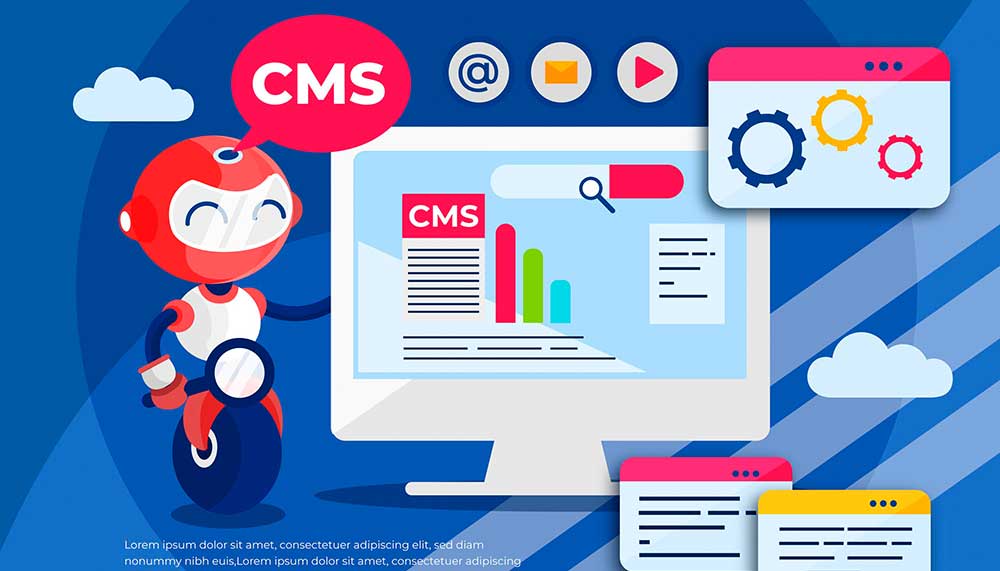
If you’ve spent any time in the digital world, you’ve definitely come across the term CMS, or Content Management System. For years, platforms like WordPress, Joomla, and Drupal have been the go-to tools for managing website content—they’ve been the reliable workhorses behind countless websites.
But lately, there’s a new player in town: headless CMS. And it’s not just a buzzword or a trend everyone’s jumping on because it sounds cool. Businesses are switching to headless CMS because it delivers something traditional systems often can’t: flexibility, speed, and scalability.
In short, it gives you more control over how and where your content appears—whether that’s on a website, an app, or even smart devices—without being boxed in by your CMS. Let’s break down why headless CMS is gaining popularity and why it might just be the game-changer your business has been looking for.
What is a Headless CMS?
Alright, let’s simplify this. A headless CMS might sound complicated, but it’s really just a smart way to separate your content from how it’s displayed.
In a traditional CMS, the backend (where you create and manage content) and the frontend (what visitors actually see) are tightly linked. This setup works, but it can get tricky if you want to try new designs, launch a mobile app, or push content to multiple platforms at once.
A headless CMS changes the game. It stores your content in the backend but doesn’t dictate how it appears. Instead, it sends your content through APIs to any frontend—whether that’s a website, mobile app, digital signage, or even a smart fridge!
Think of it like this: your content is the body, and your frontend display is the head. With a headless CMS, the head is completely separate and flexible, letting developers and marketers work independently while delivering content exactly where it’s needed.
In short, headless CMS gives your business the freedom to create, manage, and distribute content anywhere—without being tied down by your website’s design.
Why Businesses Are Switching to Headless CMS
So, why are so many businesses making the leap to headless CMS? The answer is simple: it gives them freedom, speed, and scalability that traditional systems just can’t match. Here’s a closer look at why this approach is winning over companies of all sizes:
1. Flexibility Across Multiple Channels
Today, your audience isn’t just visiting your website—they’re on apps, social media, smart devices, and more. With a headless CMS, you can publish your content everywhere without duplicating effort. One piece of content, endless possibilities.
2. Faster Website Performance
Decoupling the frontend from the backend means developers can build faster, lighter websites. And a faster website isn’t just nice for users—it reduces bounce rates, improves engagement, and even helps your SEO.
3. Future-Proof Architecture
Technology changes fast. Traditional CMS platforms can feel limiting when you want to add new features or integrate emerging tech. Headless CMS gives your business a flexible foundation that can grow and adapt over time.
4. Improved Security
Since the backend is separate from the public-facing frontend, it adds an extra layer of protection against cyber threats. For businesses concerned about data breaches, this separation can make a big difference.
5. Better Team Collaboration
Marketers can manage content without worrying about breaking the design, while developers can build dynamic, customized frontends. Everyone gets to focus on what they do best, making workflows smoother and more efficient.
Use Cases: Who Benefits Most from Headless CMS?
Headless CMS isn’t just for tech giants—it’s proving to be a game-changer for a wide variety of businesses. Let’s take a closer look at who can benefit the most and why:
1. E-commerce Businesses
If you run an online store, you know how challenging it can be to keep product content consistent across multiple platforms—your website, mobile apps, marketplaces, and even social media channels. Headless CMS makes it easy to manage all that content from one place. Update a product description once, and it instantly reflects across all channels, saving time and ensuring accuracy. Plus, faster frontends mean a smoother shopping experience, which can directly boost sales.
2. Media and Publishing Companies
For media outlets and publishing companies, timely content delivery is everything. Whether it’s articles, videos, newsletters, or podcasts, headless CMS allows content to flow seamlessly across websites, mobile apps, and social platforms. This flexibility ensures audiences get fresh, engaging content no matter where they are, and it reduces the effort required to maintain multiple channels.
3. Global Brands
Running a brand across multiple regions comes with its own set of challenges, especially when it comes to multilingual content and local compliance. Headless CMS allows global teams to manage and distribute content efficiently across regions without duplicating work. Whether it’s marketing campaigns, product updates, or regulatory notices, content stays consistent, accurate, and timely.
4. Startups and Tech Companies
Startups need agility. A headless CMS gives tech-savvy companies the freedom to experiment with different frontends, apps, or digital experiences without being constrained by a traditional CMS. They can test new ideas, launch campaigns quickly, and scale their digital presence as they grow—all without overhauling their backend content management system.
5. Marketing Agencies
Marketing agencies managing multiple client websites or campaigns can benefit from the centralization that headless CMS offers. Agencies can push content updates across various client channels efficiently, implement custom frontends for each client, and maintain consistent branding—all while reducing redundancy and improving workflow efficiency.
6. Omnichannel Retailers
Retailers who want to provide a seamless experience across in-store kiosks, mobile apps, social commerce, and websites can leverage headless CMS to manage content centrally. It ensures product details, promotions, and brand messaging are uniform across all touchpoints, enhancing the customer experience and boosting brand loyalty.
In short, any business that delivers content across multiple platforms or plans to scale can benefit from headless CMS. It streamlines workflows, ensures consistency, and provides the flexibility to grow without being limited by traditional CMS structures.
Challenges to Consider
While headless CMS offers plenty of advantages, it’s not all smooth sailing. Like any technology, it comes with its own set of challenges that businesses should be aware of before making the switch.
1. Higher Initial Development Effort
Unlike traditional CMS platforms where your design and content management are tightly integrated, headless CMS requires building the frontend separately. That means more upfront work for developers and possibly longer launch times. If you’re a small business without an in-house development team, this could be a hurdle. However, many find that the long-term flexibility and performance benefits outweigh the initial effort.
2. Content Preview Limitations
One of the biggest adjustments for marketers is that some headless platforms don’t allow live previews of how content will appear on the frontend. It can feel a bit like “flying blind” when publishing articles or updating product pages. That said, many modern headless solutions are introducing preview tools to make this easier, so it’s becoming less of a problem over time.
3. Cost Considerations
Implementing a headless CMS can be more expensive upfront than sticking with a traditional platform. You might need developer expertise, API integrations, and additional tools to manage multiple channels. While the ROI over time—through faster performance, scalability, and multi-channel publishing—is often worth it, small businesses need to budget carefully.
4. Learning Curve for Teams
Switching to a headless CMS can require a mindset shift. Developers need to understand APIs and frontend frameworks, while content teams may need to adjust to new workflows. Training and onboarding can take time, and there may be an initial dip in efficiency as everyone gets up to speed.
5. Integration Complexity
Because headless CMS is all about flexibility, it often relies on integrating with various tools for analytics, personalization, e-commerce, or marketing automation. While this gives you power and customization, it can also make setup more complex. Businesses need to plan integrations carefully to avoid complications down the line.
Even with these challenges, many businesses find that the long-term gains in flexibility, speed, security, and multi-channel reach far outweigh the initial hurdles. Being aware of these potential pitfalls upfront helps you plan better and make the transition smoother.
Conclusion
Headless CMS isn’t just another tech buzzword—it’s a powerful solution for businesses looking to stay agile, scale efficiently, and deliver content seamlessly across multiple channels. By separating content management from presentation, it gives teams the flexibility to innovate, improves website performance, and future-proofs your digital presence.
Of course, like any technology, it comes with its challenges: higher upfront development effort, learning curves, and integration complexity. But for many businesses—from e-commerce stores and global brands to startups and marketing agencies—the long-term benefits far outweigh the initial hurdles.
The takeaway? If your business values speed, flexibility, scalability, and consistency, headless CMS is worth considering. It allows you to manage your content smarter, collaborate more efficiently, and deliver engaging experiences to your audience—no matter where they interact with your brand.
In a world where digital experiences can make or break customer relationships, headless CMS gives you the tools to stay ahead, innovate, and grow—all while keeping your content management simple and effective.



Related items

Your 404 page is suffering. It is confused. It is lost. It is questioning its purpose, its

Want a website that feels like it rolled off Stark Industries’ private build line — sleek,

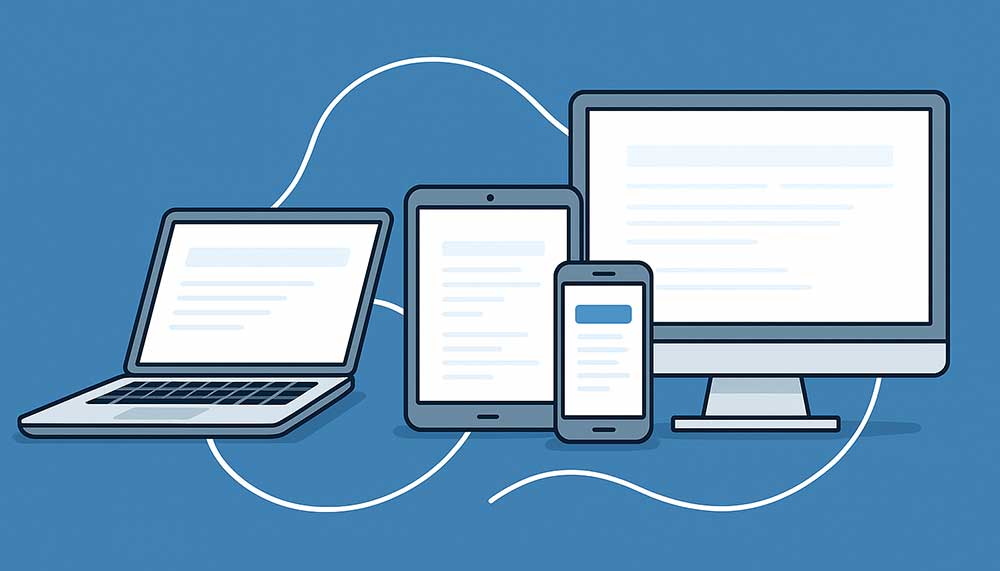
In today’s digital-first world, the average consumer doesn’t just browse on one screen. Th
