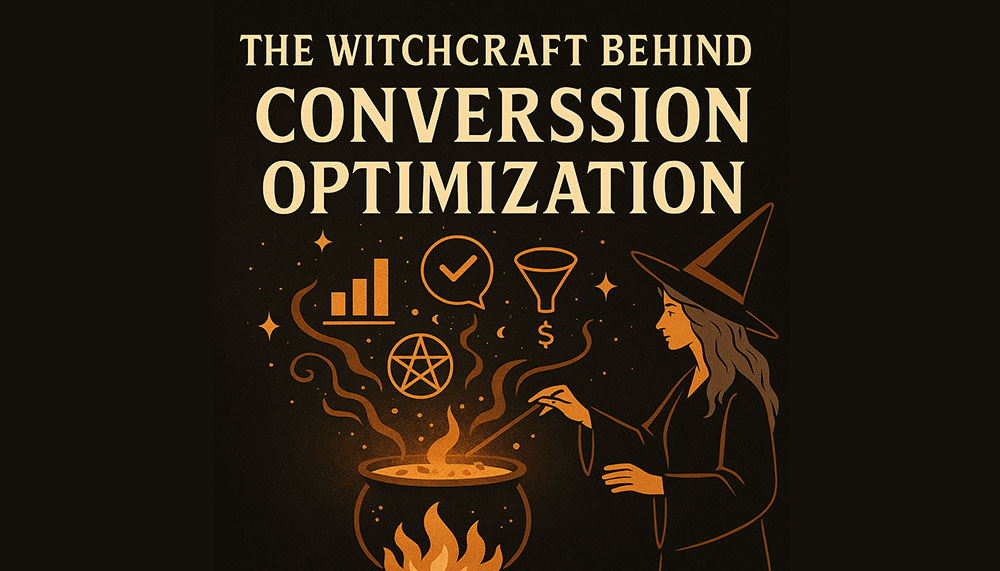
Some marketers call it science. Others call it psychology. But anyone who has stared at a stubbornly low conversion rate at 2:37 a.m. knows the truth:
Conversion optimization is witchcraft.
Not the pointy-hat, broom-flying kind. The subtle, data-soaked, user-obsessed magic that turns casual visitors into loyal customers. The kind of magic practiced quietly inside every ambitious SEO company in Delhi, every web development company in Delhi, and every sleep-deprived SEO expert in India trying to squeeze one more percent out of a landing page.
Tonight, we open the grimoire.
The Conversion Coven: Who’s Stirring the Cauldron?
Behind every high-converting website is a strange little coven of specialists:
- The Strategist: Knows what the business wants and what the user fears.
- The UX Alchemist: Rearranges buttons, layouts, and forms until they feel inevitable.
- The Copy Enchantress: Uses words that slip under logical defenses and speak directly to desire.
- The Data Necromancer: Summons insights from the dead bodies of failed campaigns.
- The Developer Wizard: Turns sketchy dreams into working, trackable reality—often a quiet hero inside a website development company in India.
In many agencies, those roles live inside one roof: a web design company in Delhi that also acts as a SEO company in India, mixing code, content, and analytics in the same heavy iron pot.
Spell One: The Curse-Breaking Audit
Every good witch starts by breaking curses—and your website has more curses than you think.
Slow load times. Confusing menus. Forms that demand too much too soon. Pop-ups that appear like jump scares in a horror movie. All of these act like invisible hexes on your conversion rate.
The Audit Ritual
- Summon the heatmaps: Watch where users hover, rage-click, or flee.
- Consult the scroll maps: See exactly where attention dies.
- Channel user recordings: Observe real humans silently judging your layout.
- Read the analytics bones: Bounce rate, exit rate, time on page—each metric a bone in the divination circle.
It’s not glamorous. It’s not sexy. It’s the part of witchcraft where you sweep the cottage and scrub the cauldron. But without this, nothing else works.
This is where an experienced web design agency or website development company behaves less like a vendor and more like a seasoned witch-doctor: they diagnose the real curse, not the convenient one.
Spell Two: The Potion of Irresistible Offers
Bad offers are like weak potions—they smell nice, sparkle a bit, and do absolutely nothing.
If your landing page says “Contact us to know more,” that’s not a call-to-action. That’s a damp twig in a thunder ritual.
Ingredients for a High-Converting Offer
- Specific outcome: “Increase leads by 30%” is stronger than “Grow your business.”
- Concrete proof: Testimonials, case studies, and numbers from your past victories.
- Low perceived risk: Free audits, demos, or trials that feel safe to try.
- Urgency: Limited spots, limited time, or limited bonuses.
When a seasoned SEO company in Delhi designs an offer, they’re not just being clever. They’re mixing desire, trust, and fear of missing out into a single potent potion—and pouring it into your CTA button.
Spell Three: The Shape-Shifting Landing Page
Some pages just sit there like stone statues. Others feel alive.
A high-converting landing page is a shapeshifter. It bends itself around the visitor’s attention, guiding them from curiosity to clarity to commitment—without them realizing they’ve been gently nudged the whole way.
The Anatomy of a Living Page
- The opening incantation (headline): Names the visitor’s struggle so accurately it feels like mind-reading.
- The mirror section: Reflects the user’s current pain, frustration, or secret goals.
- The transformation promise: Paints the “after” state—what life looks like once they say yes.
- The proof altar: Social proof, logos, reviews, screenshots, results.
- The gateway (CTA): A single, obvious next step—not twelve conflicting options fighting for attention.
Conversion witchcraft is subtle: remove one unnecessary field, and completion rates soar. Rephrase one sentence, and suddenly strangers start clicking “Book a Call” like it’s a reflex.
It’s the kind of tuning a web development company in Delhi does when it stops being just “developers” and starts acting like revenue engineers.
Spell Four: A/B Testing – Divination by Parallel Realities
A/B testing is the closest thing marketing has to peeking into alternate universes.
In one world, your button is green. In the other, it’s orange. In one world, your headline whispers. In another, it roars. The test tells you which universe makes more money.
Rules of Ethical Split-Testing Witchcraft
- Test one spell at a time: Change the headline, not the entire universe.
- Gather enough souls (data): Don’t declare victory after 30 clicks.
- Trust the numbers, not your ego: If the version you hated wins, let it live.
- Keep a spellbook: Document what you tested, why, and what you learned.
Every serious SEO company in India lives and dies by disciplined experimentation. They don’t “feel” what works. They test it in the fire and keep only what survives.
Spell Five: Lead Generation Sigils
Lead generation is the art of getting strangers to raise their hands and say, “Fine. You may now email me for the rest of my natural life.”
To do that, you need sigils—small, symbolic mechanisms that carry disproportionate power: forms, pop-ups, sticky bars, chat widgets, quiz results, downloadable templates.
Designing High-Power Sigils
- Minimum sacrifice: Ask for only what you truly need. Name and email can open more doors than a 12-field confession form.
- Instant reward: Give something back immediately—a PDF, a video, a calculator, a mini audit.
- Contextual placement: A form at the right moment is magic; the same form at the wrong time is noise.
- Clear intent: Label the CTA with what they get, not what they do: “Get My Free Strategy” beats “Submit.”
Powerful lead generation isn’t random. It’s the carefully drawn sigil in the corner of your user journey map, created by the quiet sorcerers at your favorite web design company in Delhi or hybrid design–SEO team.
Spell Six: The Trust Hex-Removal Ritual
Visitors arrive with invisible hexes already on them:
- “This will be too expensive.”
- “They’re just another agency making big promises.”
- “What if I sign up and regret it?”
Your job is to lift those hexes one by one.
Trust-Building Ingredients
- Real photos & names: Replace stock models with actual humans behind the brand.
- Specific results: “Helped a local retailer increase online sales by 140%” hits harder than “We deliver results.”
- Transparent process: Outline exactly what happens after they click “Get Started.”
- Risk reducers: Guarantees, cancel-anytime terms, or low-commitment first steps.
This is where a seasoned website development company in India pairs up with a grounded strategist at a SEO company in Delhi to design trust signals that sit in all the right places—header, footer, testimonials, pricing tables, and forms.
Spell Seven: Messaging That Possesses the Reader
There are two kinds of copy:
- Words that explain what you do.
- Words that crawl inside someone’s brain and refuse to leave.
Conversion witchcraft is always the second kind.
The Possession Formula
- Speak in their voice: Use the exact phrases your customers say in calls, reviews, and emails.
- Promise something vivid: “Get more traffic” is vague; “Wake up to 50 extra qualified visitors a day” is cinematic.
- Contrast before and after: Show the cursed present and enchanted future side by side.
- End on action: Every section should point somewhere—CTA, link, or next idea.
A gifted copywriter and a data-anchored SEO expert in India working together can turn a boring service page into something that feels dangerously persuasive.
The Dark Art of Knowing When to Stop
Here’s the secret most people don’t tell you: witchcraft gets addictive.
Once you see what a 1% increase in conversion rate does to revenue, you’ll want 2%. Then 3%. Then you’ll be arguing with your designer about the angle of a single arrow icon in a button.
But true mastery comes when you know when to stop tinkering and let the spell run.
Signs Your Spell Is Working
- Leads arrive consistently—even on days you don’t post on social media.
- Sales teams quietly stop complaining about “low-quality inquiries.”
- Your calendar fills with discovery calls you didn’t beg for.
- Your analytics no longer look like an erratic ECG monitor.
That’s when you realize: the witchcraft is no longer experimental. It’s baked into your systems.
Final Incantation: Make Peace with the Magic
In the end, conversion optimization isn’t literal sorcery—though on good days, it feels close.
It’s the disciplined, creative, obsessive practice of understanding what your visitors fear, want, doubt, and dream of—and then reshaping every pixel, sentence, and interaction to honor that truth.
It’s part math, part psychology, part design, part narrative, and part… something you can’t quite name but you know when you feel it.
If that feels overwhelming, you don’t have to brew alone. That’s what a well-practiced SEO company in India, a conversion-focused web development company in Delhi, or a hybrid web design agency is for: a modern-day coven of digital witches who’ve spent years learning which buttons to press, which pages to rewrite, and which spells to never cast again.
Because the real witchcraft behind conversion optimization isn’t tricking people. It’s understanding them so deeply that saying “yes” feels like the only natural next step.



Related items
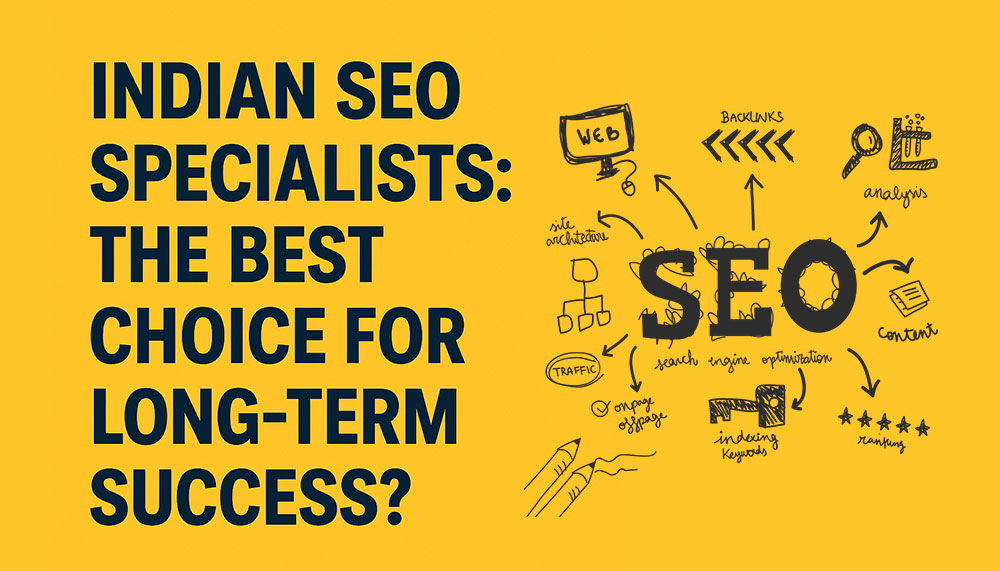
Search engine optimization is no longer a “nice-to-have.” It is the backbone of sustainabl

Your 404 page is suffering. It is confused. It is lost. It is questioning its purpose, its
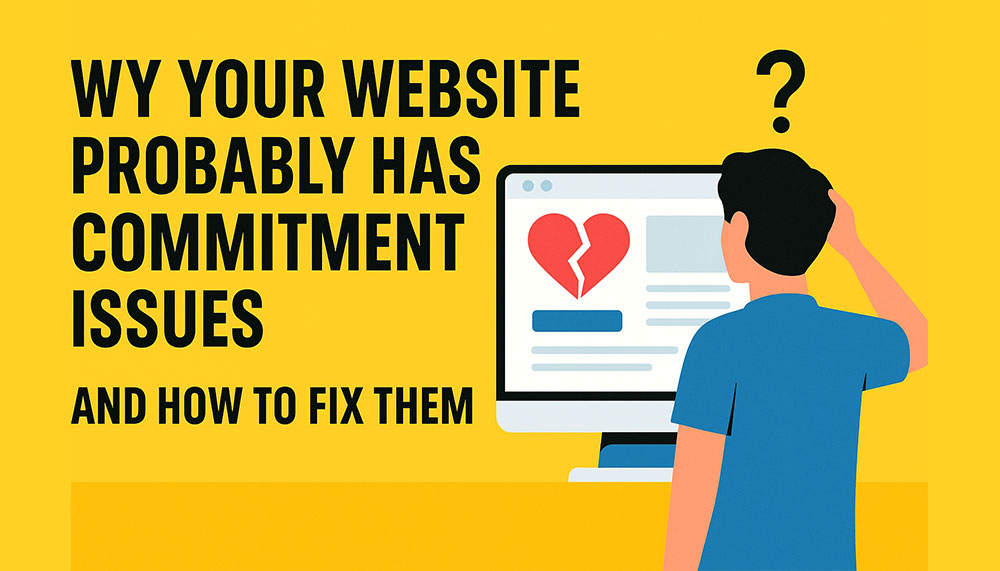
Your website isn’t broken. It isn’t slow. It isn’t outdated. It just has commitment issues
